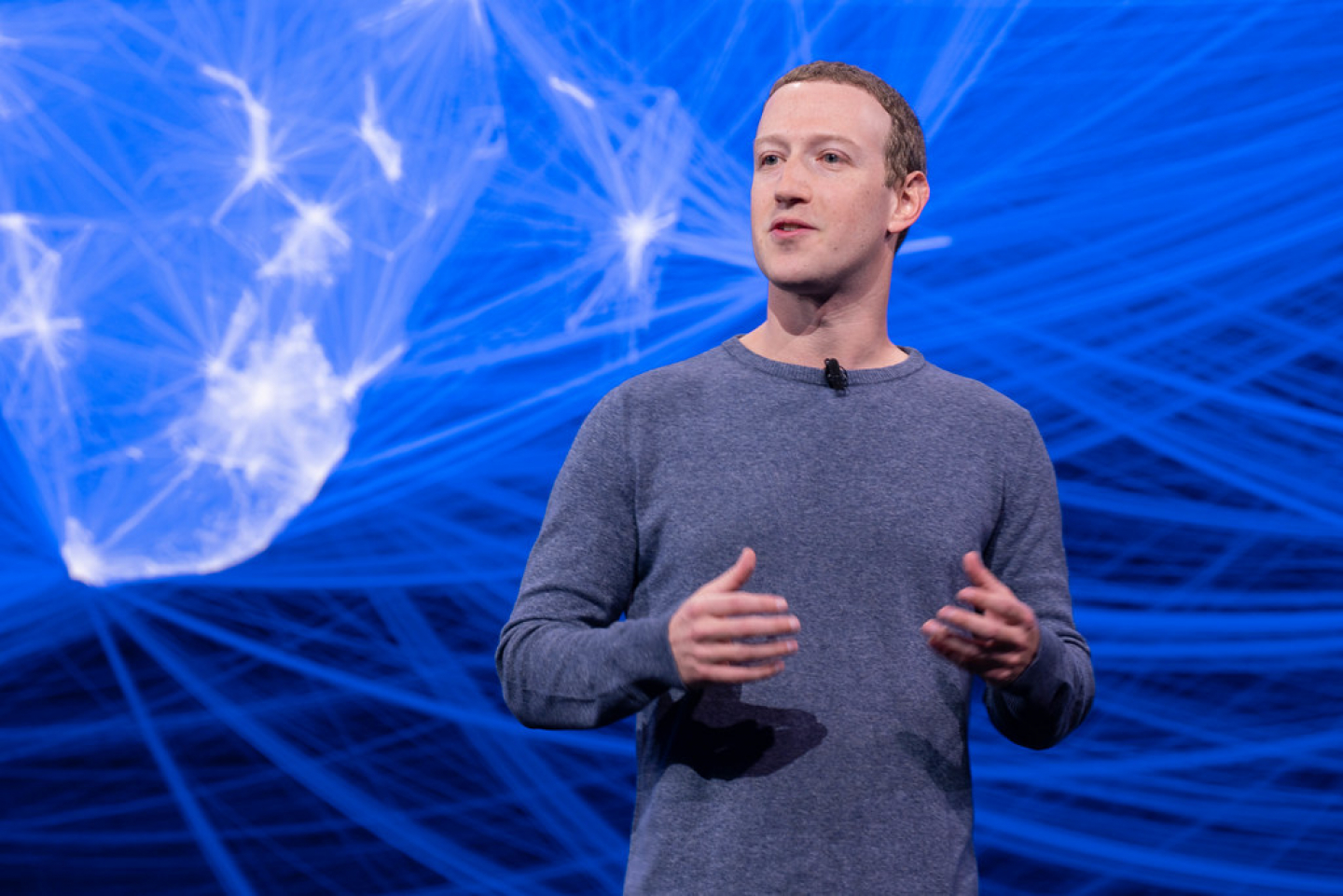
Mark Zuckerberg published an opinion piece in the Wall Street Journal this week arguing that artificial intelligence will amplify human capability rather than replace it. The Meta Platforms chief executive wrote that "as everyone gains more powerful tools, each person will become more capable of shaping the future, not less."
The column is a counterpoint to the narrative that AI will automate jobs and reduce the value of individual workers. Zuckerberg framed the technology as a multiplier of human ingenuity, comparing it to the division of labor that Adam Smith described in the 18th century. One worker alone might produce a single pin per day, but specialized workers together could produce tens of thousands. AI, he argued, extends that logic to cognitive work.
Zuckerberg's argument carries weight because Meta is one of the largest investors in AI infrastructure. The company has spent billions on data centers, chips, and research to build large language models and recommendation systems. His position suggests that Meta's product strategy – embedding AI into Facebook, Instagram, WhatsApp, and the metaverse – is designed to augment human creativity, not replace it.
The op-ed drew praise from some Silicon Valley figures. Richard Miniter, CEO of Zenger Media, said in a statement that "corporations themselves are AI," echoing the idea that organizations are a form of aggregated intelligence. The comment underscores the belief that AI will make existing institutions more productive, not obsolete.
For investors, the piece is a signal that Meta's leadership sees AI as a long-term growth driver rather than a cost-cutting tool. The company has already rolled out AI-powered features like automated ad targeting and content recommendations. Zuckerberg's emphasis on "invention, not automation" as AI's greatest contribution suggests Meta will continue to invest in generative AI tools for creators, developers, and businesses.
Zuckerberg's column also touches on a broader economic theme: the potential for AI to raise productivity across the workforce. If individuals gain access to tools that handle complex analysis, code generation, or creative design, the value of a single worker could rise sharply. That logic is consistent with recent stock market analysis showing that companies with high AI exposure have outperformed the broader market over the past year.
Some skeptics argue that the benefits of AI will accrue mainly to large corporations, not to individual workers. Zuckerberg's column directly challenges that view. He wrote that "the greatest contribution of superintelligence" will be enabling more people to invent, not just automating existing tasks. If that thesis holds, it could reshape how Enterprise AI Will Be Defined By Trust – and how companies like Meta capture value from the technology.
The op-ed appeared in the Wall Street Journal. Zuckerberg did not announce any new products or financial targets in the piece.