Stocks● Neutral
ZSI finds rare solitary Himalayan bee in Arunachal
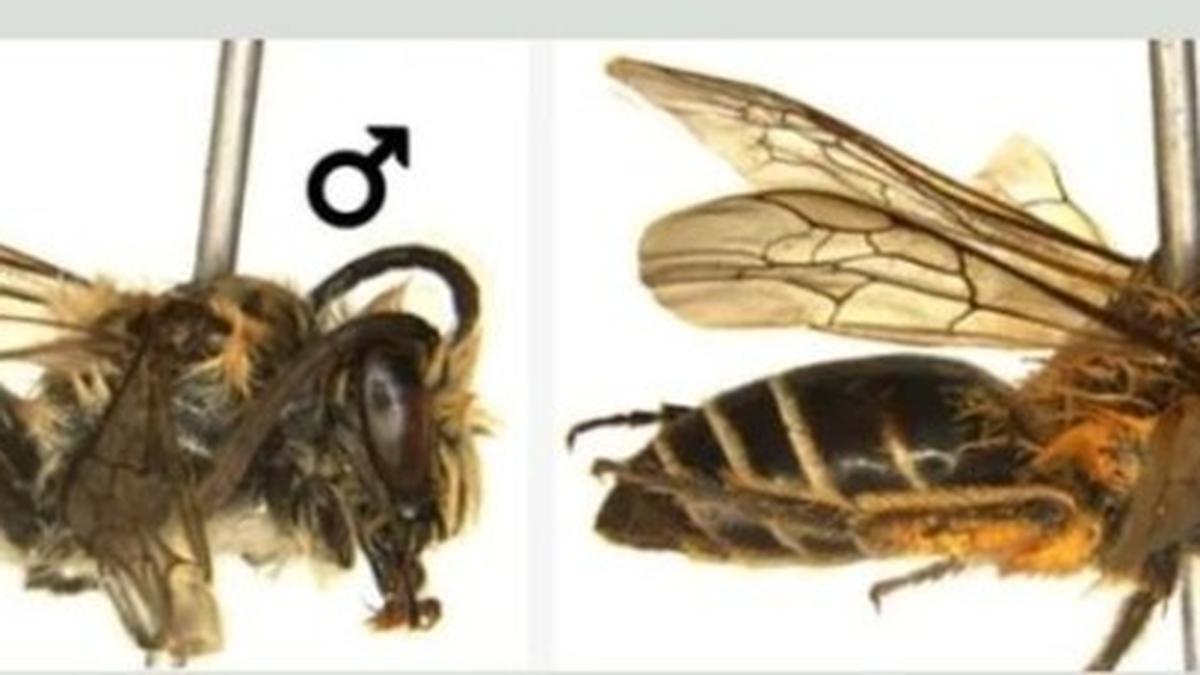
ZSI scientists found Colletes bhutanicus in Tawang at elevations up to 3,800 metres. The bee visited 25 flowering plants and may support mountain agriculture, officials said.
Continue with
A solitary bee never formally recorded in India has turned up in Arunachal Pradesh, expanding the known range of a Himalayan pollinator that scientists say could play a role in mountain agriculture.
The Zoological Survey of India documented Colletes bhutanicus in Tawang district during a recent survey. ZSI scientists Dibyajyoti Ghosh, K A Subramanian and Dhriti Banerjee made the identification, officials said.
Earlier records placed C. bhutanicus in Bhutan and China's Xizang region. The Arunachal find fills a gap in the species' distribution across the eastern Himalayas.
Researchers found the bee at elevations from 1,500 metres to 3,800 metres. It visited 25 species of flowering plants including mustard, buckwheat, coriander, beans, chilli and eggplant.