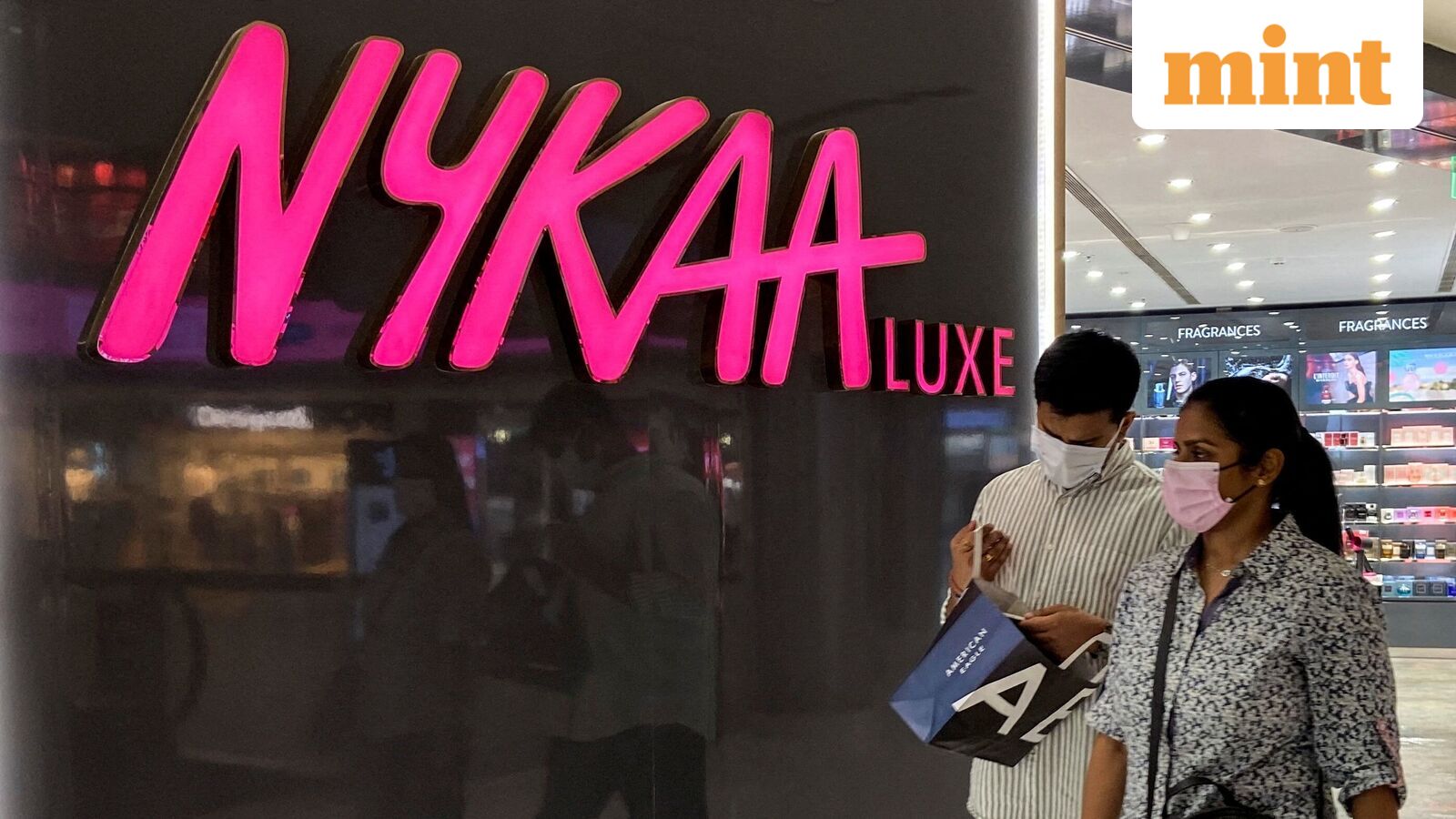
Zee Entertainment Enterprises Ltd has sued Blinkit and Nykaa in separate copyright lawsuits, alleging the brands used songs and clips from its catalogue in social media campaigns without a commercial licence. The case tests where the boundary between clever cultural references and infringement lies.
Nykaa has removed the Instagram reels identified in the suit. Zee is seeking ₹2 crore in damages. Blinkit has been summoned for a hearing on August 14.
The legal question centres on the difference between personal and commercial use of copyright material. Individuals can use songs or film clips on Instagram under the platform's own licensing deals. Those deals do not cover brands using the same content to promote products. Brands need a separate licence from the copyright owner.
Indian courts have handled copyright disputes involving films and music for decades. Cases targeting brands over social media marketing are rare. Traditional copyright disputes centred on piracy and broadcasting rights, not on viral digital campaigns. Sony Music Entertainment previously sued Myntra over unauthorised song use in promotional posts, one of the few precedents.
There is no single test for infringement. Much depends on how much of the original work is reproduced and whether the use is transformative. Simply referencing a popular dialogue or character may not cross the line, said Sonam Chandwani, managing partner at KS Legal & Associates. Genuine parody that comments on or transforms the original work may also be protected.
When brands use recognizable characters or visuals primarily to market products without permission or meaningful transformation, their legal defence becomes weaker, Chandwani said. "Courts are likely to look at the overall impression created rather than isolated elements in deciding whether the line has been crossed." Where a campaign relies heavily on identifiable copyrighted material or intellectual property associated with another brand or production house, obtaining a licence is often the safest course, she added.
Even if a legal defence could succeed, litigation is expensive and damaging to brand reputation. If courts side with Zee, brands may shift toward original content rather than relying on viral trends. The disputes show that intellectual property compliance is becoming part of marketing strategy from the start.
Blinkit's hearing is set for August 14. The outcome could set a precedent for how brands handle copyright in India's digital ad market.