Stocks● Neutral
Zambia Free Education Law Reshapes Ed-Tech and Pension Flows
Zambia's free education and pension law creates fiscal pressure on bonds while boosting ed-tech and pension fund inflows. The 2026 budget is the next catalyst.
Continue with
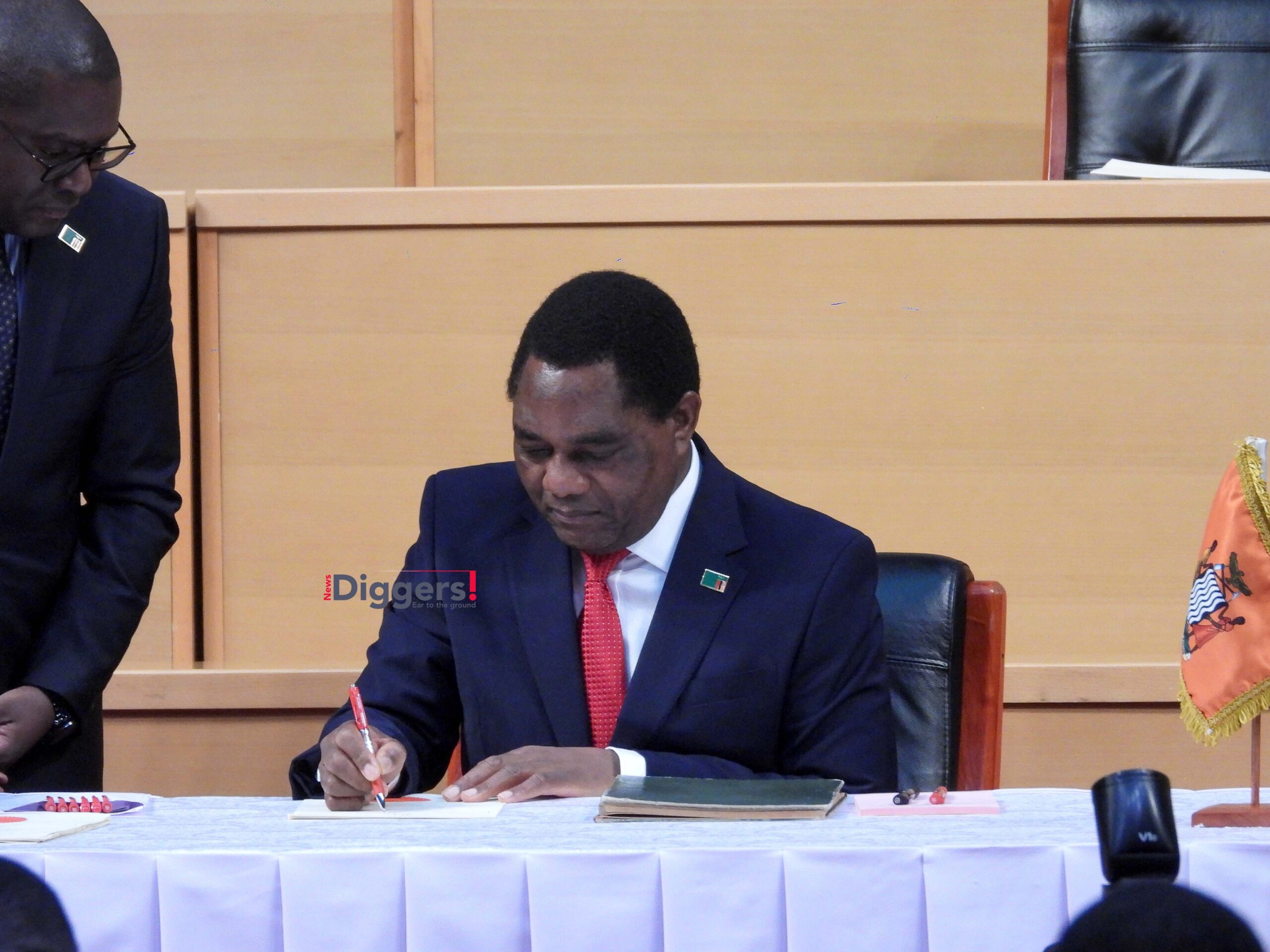
President Hakainde Hichilema signed the Constitution of Zambia (Amendment) Bill Number 7 of 2025 into law at Mulungushi International Conference Center in Lusaka. The legislation enshrines free education and introduces a new pension framework, marking a structural shift in Zambia's fiscal commitments and social contract.
Why the Law Changes the Investment Calculus
The free education mandate commits the Zambian government to absorb tuition costs at public primary and secondary schools. For investors tracking African sovereign risk, this creates a durable spending line item that competes with infrastructure and debt service in future budgets. The pension component expands mandatory coverage to informal-sector workers, a demographic that has historically operated outside formal savings systems.
A naive read treats this as a pure social-welfare story. The better market read focuses on the fiscal multiplier and the demographic dividend timeline. Free education raises the school enrollment rate, which over a 10- to 15-year horizon expands the formal labor pool and broadens the tax base. Pension formalization pulls informal savings into regulated asset management channels, increasing the pool of domestic capital available for government securities and local equities.
Affected Assets: Zambian Bonds, Ed-Tech Operators, and Pension Managers
Zambian sovereign bonds face a near-term supply test. The government must fund the education and pension mandates without breaching IMF program targets. The 2024 Extended Credit Facility already caps the fiscal deficit at 3.5% of GDP. If the Ministry of Finance issues additional domestic debt to cover the new obligations, yields on the 2027 and 2032 Eurobonds could widen.