Crypto▲ Bullish
Yuga Labs Wins RR/BAYC Trademark Case, Setting Web3 Precedent
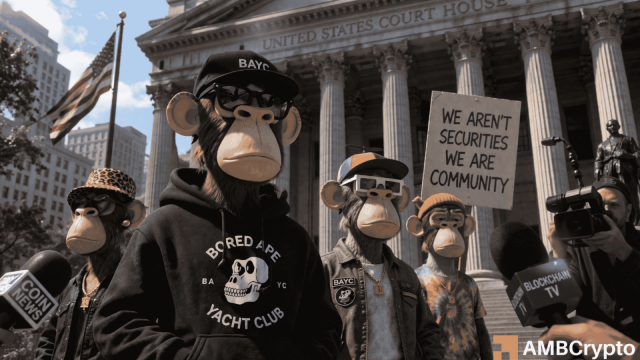
The court-ordered shutdown of the RR/BAYC project establishes a legal framework for NFT trademark enforcement, signaling a shift toward institutional maturity.
Continue with
A Definitive Legal Precedent for NFT Intellectual Property
Yuga Labs, the creative force behind the Bored Ape Yacht Club (BAYC), has officially concluded its high-stakes legal battle against Ryder Ripps and Jeremy Cahen. The settlement marks a pivotal moment for the digital asset industry, effectively shuttering the controversial 'RR/BAYC' NFT project and establishing a robust legal framework for trademark enforcement in the Web3 space.
The litigation, which pitted the powerhouse NFT studio against the duo behind the copycat collection, centered on allegations of trademark infringement and false designation of origin. By securing a sweeping injunction, Yuga Labs has not only silenced a significant source of brand dilution but has also sent a clear message to bad actors looking to capitalize on established digital intellectual property.
The Anatomy of the Dispute
At the heart of the conflict was the RR/BAYC project, a collection of NFTs that mirrored the iconic Bored Ape aesthetic. Ryder Ripps and Jeremy Cahen marketed these assets as a form of “artistic protest,” claiming their project was a critique of the original BAYC collection. However, Yuga Labs argued that the project was a calculated attempt to misappropriate their brand identity, confusing consumers and diluting the value of the original BAYC ecosystem.
The court’s decision to enforce a permanent ban on the RR/BAYC project underscores the growing judicial consensus that NFT collections are subject to traditional trademark protections. For traders and investors, this resolution is a welcome development, as it mitigates the reputational risk associated with unauthorized knock-offs and reinforces the long-term viability of premium digital assets.