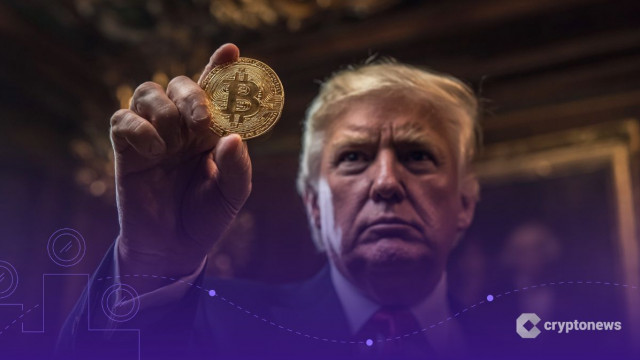
BTC slid to the mid-$76,000s after Iran threatened new fronts, upending the risk-on relief from Trump's pause. Weekend liquidity and leveraged positions amplify downside. Traders watch gold and oil for confirmation.
Bitcoin dropped to the mid-$76,000s on Thursday after Iran signaled it could open new military fronts. The move erased the risk-on relief that followed President Trump's reported pause in escalation. The Iran threat reintroduces a binary risk that markets had begun pricing out. Crypto's 24/7 trading and high beta amplify the slide. Traders who added long positions on the pause are now unwinding, and stop-loss cascades are contributing to the speed of the decline.
The straightforward interpretation is that any escalation risk compresses risk appetite across all assets. Bitcoin, as a high-beta play, suffers more than traditional safe havens. The Trump pause had briefly lifted sentiment; the new threat shows the conflict is not contained. The market reprices the risk premium instantly when uncertainty resurfaces. For crypto, that repricing is sharper because the asset class lacks a central backstop and relies on leveraged speculation for marginal price discovery.
The mid-$76,000 level is a technical zone that has acted as both support and resistance in recent weeks. A break below could trigger additional stop-losses, especially as weekend liquidity thins. The mechanism is straightforward: when a geopolitical event reintroduces a tail risk that markets had discounted, positions built on the pause become vulnerable. Open interest and funding rates will signal whether longs are being flushed out. A spike in negative funding would indicate capitulation, which historically precedes a short-term bottom. The shift from relief to uncertainty forces traders to reassess holding periods. A verbal threat from Iran may produce a buying opportunity for short-time-horizon traders. A kinetic escalation would likely drive BTC toward the $75,000 handle.
The next two days are critical. If Iran follows through with new actions, Bitcoin could test $75,000. If the pause holds and diplomacy resumes, expect a snap-back toward $78,000. Traders should watch gold and oil as confirming signals. A sustained move in gold above recent highs would indicate the geopolitical premium is not fading, keeping pressure on crypto. A drop in oil would suggest the market sees the threat as contained. Weekend gap risk is real because crypto exchanges operate continuously, resulting in steeper moves when volume drops off. For now, the Iran headline is the dominant variable. The crypto market analysis desk treats this as a risk-management event, not a directional opportunity. The Bitcoin (BTC) profile confirms the asset's high sensitivity to macro shocks. Traders must decide whether to reduce exposure into the weekend or hold for a reversal if the pause holds. Either path requires a clear plan, not a speculation on headlines.
Prepared with AlphaScala research tooling and grounded in primary market data: live prices, fundamentals, SEC filings, hedge-fund holdings, and insider activity. Each story is checked against AlphaScala publishing rules before release. Educational coverage, not personalized advice.