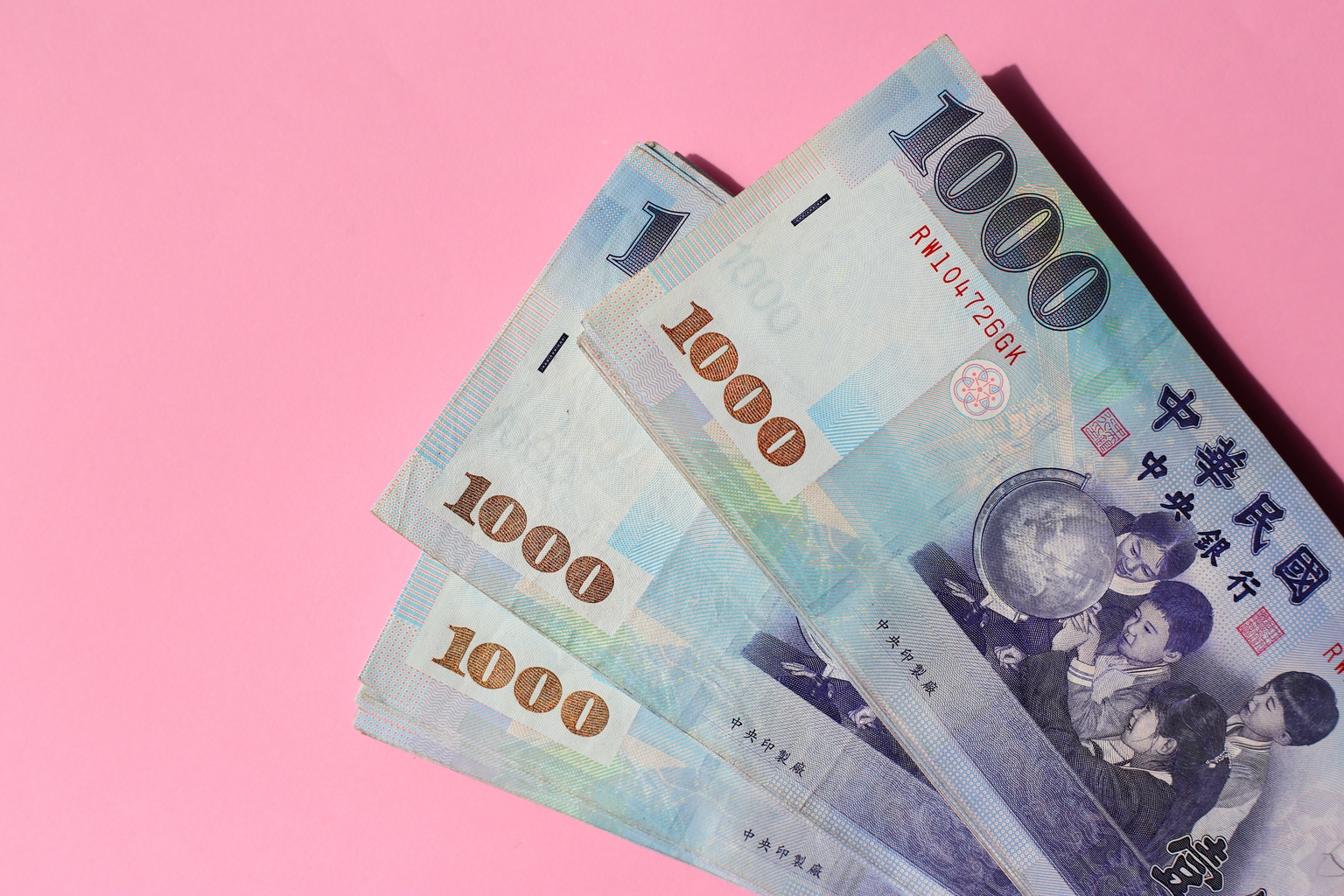
The Chinese yuan hit a three-year high against the dollar in May, punching through 6.7 for the first time since mid-2018. The rally has run five months on strong export receipts and capital inflows into onshore bonds, supported by a softer dollar as the Federal Reserve's tightening cycle nears its end.
The yuan's move matters beyond China. A stronger renminbi compresses funding costs for dollar-based carry trades. Open interest on CNH/INR crosses has risen, traders said. That flow forces the People's Bank of China into a choice: let the yuan appreciate further, which hurts exporters already facing margin pressure from weak global demand, or intervene with dollar sales to slow the pace.
Exporters face a split. Companies that import raw materials priced in dollars – industrial metals, energy, agriculture – benefit because input costs fall in local-currency terms. Exporters selling into dollar-denominated markets on price face a real-economy squeeze. A 5% yuan gain can wipe out the profit margin on a low-margin export order.
The PBOC has historically stepped in when the trade-weighted yuan basket crosses 91-92. That index hit 90.5 in late May. A weaker daily fixing or verbal guidance would tell the market the central bank is watching the speed, not the direction. The next flashpoint is the June 15 medium-term lending facility decision. No change would confirm comfort letting the yuan reflect macro flows. A surprise cut would lean into weaker growth and a softer yuan.
The dollar's slide over the past six months has lifted EM local-currency bonds. The JP Morgan GBI-EM Global Diversified index returned 4.2% year-to-date. That bid might not survive a yuan stall. The yuan's correlation with the broader EM currency basket has run at 0.7 over the past three months, per Bloomberg data. A reversal in the PBOC's tolerance would ripple quickly through the carry trade.
China's foreign-exchange reserves stood at $3.2 trillion at last count and lean heavily into U.S. government debt. A rising yuan reduces the urgency to accumulate more dollar reserves. Monthly Treasury International Capital data shows China net sold $6.4 billion of USTs in March, the fifth straight month of declines. That slow easing of supply-side support for the Treasury market continues.
The PBOC kept its one-year loan prime rate at 3.65% on May 22, the ninth consecutive hold. A Fed pause in June, now priced at 73% by the CME FedWatch Tool, would widen the nominal rate differential in favor of the dollar. The yuan has historically been less sensitive to carry spreads than its peers, traders said. The correlation between the yuan's quarterly return and the two-year UST-carry differential has been just 0.2 since the pandemic – low enough to suggest the export-flow and portfolio-inflow channels dominate.
The PBOC sets the daily fixing Monday. That level will be the first signal of its tolerance for the yuan at current highs.