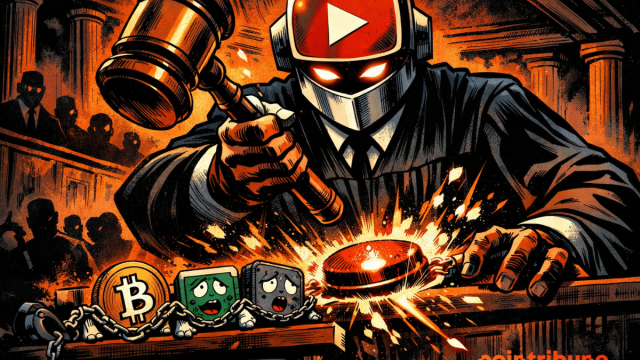
A Sudden Disappearance
In a move that has sent shockwaves through the digital asset community, YouTube has executed a broad, unannounced purge of dozens of cryptocurrency-focused channels. The sudden removal of these accounts, many of which boasted significant followings and years of educational content, has left creators scrambling for answers and investors questioning the platform’s stance on decentralized finance and blockchain technology.
For many affected creators, the first notification was not a warning or a policy infraction report, but rather a sudden inability to access their back-end dashboards. Channels that had served as hubs for market analysis, technical tutorials, and crypto-news commentary were rendered inaccessible without prior explanation. This incident marks one of the most aggressive moderation actions taken against the crypto sector by a major social media platform to date.
The Vacuum of Accountability
YouTube’s current community guidelines emphasize prohibitions against “harmful or dangerous content” and “regulated goods and services,” yet the lack of specific communication regarding this latest sweep has left the industry in a state of uncertainty. While Google-owned YouTube has previously faced criticism for its opaque moderation practices, the scale of this removal suggests a systematic review of crypto-adjacent content rather than an isolated glitch.
For creators and the audience they serve, this lack of transparency is a major pain point. Many of the removed channels provided essential liquidity of information, helping retail investors navigate the complexities of blockchain protocols, wallet security, and market cycles. By removing these resources without providing specific grounds for termination, YouTube has effectively severed a primary bridge between technical blockchain developments and the broader public.
Market Implications: The Risk of Centralized Control
For the professional trading community, this event serves as a stark reminder of the risks associated with dependency on centralized platforms. When information conduits are subject to the arbitrary control of a single entity, the risk of 'de-platforming' becomes a tangible factor in an investor’s information-gathering strategy.
Traders and analysts who rely on YouTube for real-time sentiment analysis and technical breakdown videos now face potential information asymmetry. As high-quality, educational content is scrubbed from the primary search engines and video hosting sites, the digital space risks being dominated by lower-quality or unverified sources. Furthermore, this purge highlights the ongoing friction between traditional 'Web2' gatekeepers and the 'Web3' ethos, raising questions about whether further restrictions on crypto-related discourse are on the horizon.
What to Watch Next: The Shift Toward Decentralized Media
As the dust settles, the immediate focus for the crypto community will be twofold: seeking a formal response from YouTube regarding the specific criteria for these removals and accelerating the migration to decentralized video platforms. Platforms that utilize blockchain-based verification and censorship-resistant protocols are likely to see a surge in user engagement as creators seek to insulate their content from centralized moderation.
Investors should monitor how affected creators attempt to rebuild their presence on alternative platforms. A mass migration of content creators could signify a pivotal shift in how market sentiment is disseminated and consumed. For now, the loss of these channels represents a contraction in the available volume of public crypto education, a development that may contribute to increased volatility as retail investors lose access to established analytical voices.