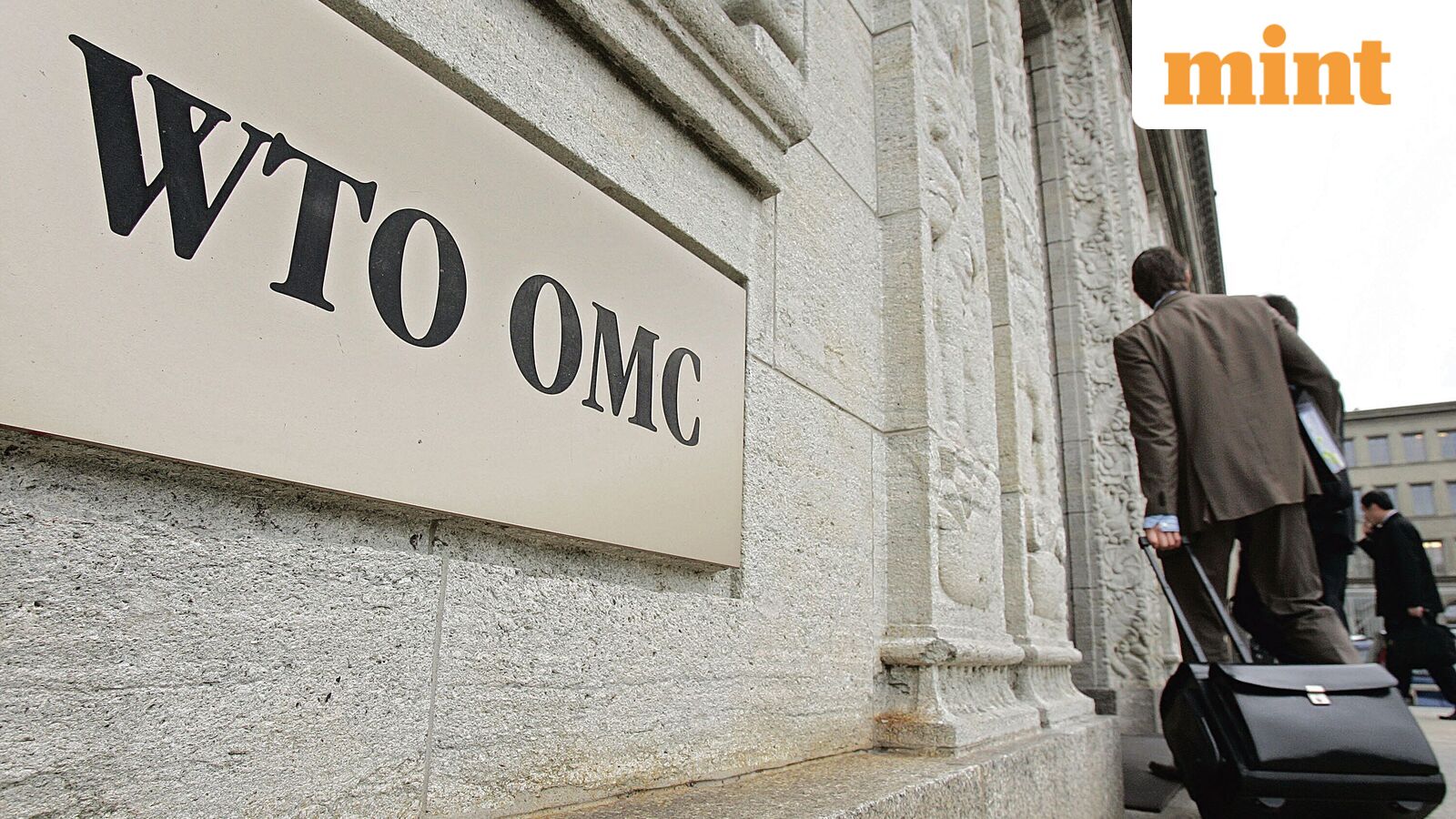
The recent conclusion of the World Trade Organization ministerial talks in Yaounde without a consensus marks a significant shift in the trajectory of global trade governance. The failure to reach an agreement underscores a widening divide between developing nations and advanced economies, effectively stalling the multilateral framework that has governed international commerce for decades. This deadlock suggests that the era of broad, consensus-based trade liberalization is yielding to a more fragmented environment defined by regionalism and bilateral friction.
The Erosion of Multilateral Consensus
The stalemate in Yaounde reflects deep-seated disagreements over core trade priorities, including agricultural subsidies, digital trade rules, and the future of the dispute settlement mechanism. By failing to bridge the gap between competing economic interests, the WTO has signaled that its ability to act as a primary arbiter of global trade policy is severely diminished. This lack of progress forces individual nations to seek alternative arrangements, often favoring localized trade blocs over the global standards previously championed by the organization.
For investors, the breakdown of these negotiations introduces a new layer of uncertainty regarding supply chain stability and tariff structures. As multilateral oversight weakens, companies are increasingly exposed to the volatility of unilateral trade policies and shifting regulatory landscapes. The inability to secure a unified path forward means that trade disputes will likely remain unresolved for longer periods, increasing the risk premium for sectors heavily reliant on cross-border logistics and global manufacturing footprints.
Sectoral Impacts and Strategic Realignment
Industries that depend on predictable international trade flows, such as technology and industrial manufacturing, face a more complex operating environment. When global institutions cannot provide a stable baseline for trade, firms must pivot toward localized supply chains to mitigate the risk of sudden policy shifts. This shift is already visible in the semiconductor and hardware sectors, where companies are prioritizing regional resilience over global efficiency.
AlphaScala data currently tracks several firms navigating these broader macroeconomic headwinds, including ON Semiconductor Corporation, which holds an Alpha Score of 45/100, reflecting the mixed sentiment surrounding industrial technology and global supply chain exposure. Similarly, Agilent Technologies, Inc. maintains an Alpha Score of 55/100, while AT&T Inc. sits at 59/100, both representing the varied ways companies across healthcare and communication services are managing the current climate of stock market analysis.
The Path Toward Policy Divergence
The next concrete marker for this narrative will be the subsequent round of regional trade summits and the potential for new bilateral agreements that bypass the WTO framework entirely. If major economies continue to prioritize domestic industrial policy over multilateral cooperation, the WTO may transition from a rule-making body to a purely consultative forum. Observers should monitor upcoming legislative filings from major trade blocs for signs of increased protectionism or the formalization of regional trade alliances that operate outside the traditional WTO mandate. The failure to find common ground in Yaounde serves as a definitive signal that the global trade order is entering a period of prolonged structural realignment.