Andrei Fontana flew from Brazil to the U.S. with two empty suitcases. He is flying back with both stuffed. Fontana, 33, traveled from Tapejara with his father, uncle, and cousin to watch the World Cup in Atlanta, Miami, and New York. They attended one match. They spent at least two hours a day shopping. The haul includes new clothes, shoes, iPhones, MacBooks, and Sephora makeup for his girlfriend and sister-in-law. Fontana estimated he spent about 30% less than he would have on the same items in Brazil. “North Face, Columbia, Lacoste, Nike – we have all of these in Brazil,” he said. “Here it is cheaper.”
Fontana is part of a wave. The U.S. is co-hosting the World Cup with Canada and Mexico, and travel officials expected five to 10 million foreign visitors. Many are bringing empty luggage and a shopping list. Lee Sterling, chief marketing officer at Simon Property Group, which owns malls and outlets nationwide, said mall traffic rose significantly this summer in both host cities and non-host cities. “This is a big cultural moment,” Sterling said. Stores selling sports gear – Adidas and Nike, among others – saw what she called “fantastic” traffic.
The push goes beyond jerseys. Target stores in host cities sold 66% more World Cup merchandise than non-host city stores, a Target spokesperson said. The chain’s single best-selling item among international tourists is the latest high-end Apple AirPods.
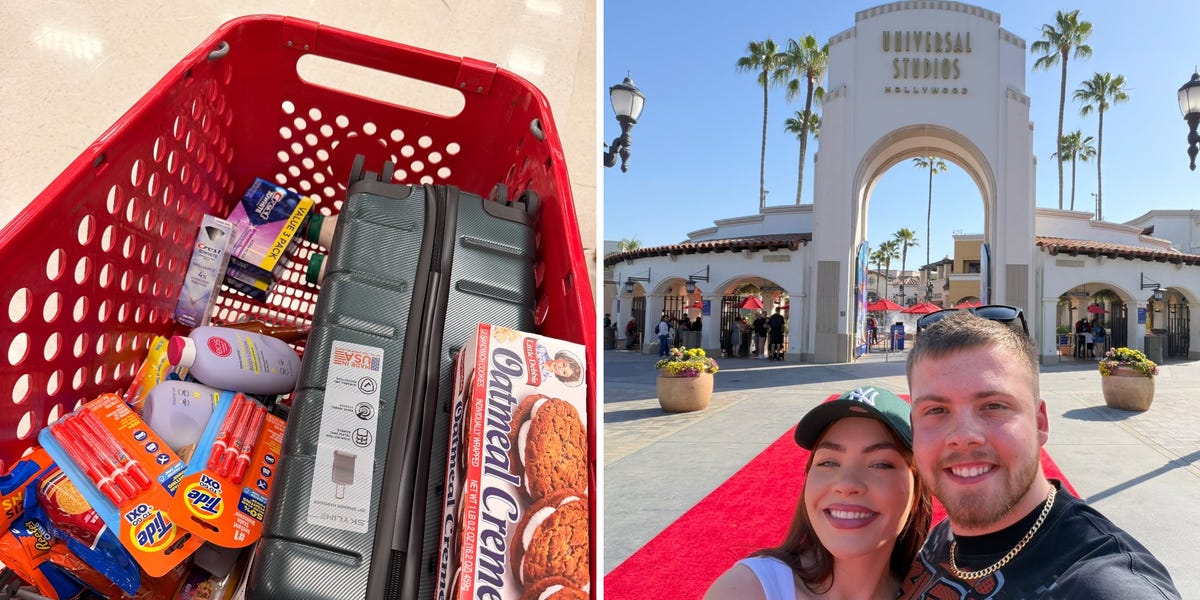
Tourists are loading up on everyday goods that are harder to find or more expensive at home. Crest whitening strips, EOS lotion, and melatonin appear frequently in TikTok “haul” videos. European visitors told Business Insider they stock up on toothpaste because the whitening agents in U.S. brands are restricted in Europe, and melatonin is sold over the counter here while it requires a prescription in many countries. Abbey Dudley, 23, from Leeds, England, visited San Francisco, Los Angeles, and Las Vegas with a list that included toothpaste, moisturizer, and Panoxyl face wash. Her video of a Target trip drew comments from Americans surprised at her excitement. “It was one of the biggest shops I’ve ever been in,” Dudley said.
The shopping-tourism trend is not new. Susanne Bryde of Denmark has led shopping trips to the U.S. for 20 years. She buys melatonin, Golden Grahams cereal, Honey Bunches of Oats, yarn from Hobby Lobby, and Aunt Jemima’s maple syrup at T.J. Maxx and outlet malls. She said inflation has narrowed the price advantage. U.S. consumer prices rose about 29% between January 2020 and May 2026, compared with Denmark’s 19% rise. “There’s really nothing that it truly pays for us to bring back,” Bryde said. She now shops for nostalgia items that are hard to find elsewhere.
Brands are capitalizing on the moment. McDonald’s introduced World Cup-themed meals, and Kraft rolled out travel-sized ranch dressing – a nod to visitors who associate the condiment with American road trips. McDonald’s stock carries an Alpha Score of 49, reflecting mixed sentiment even as the chain benefits from the tourism bump.
For many visitors, the World Cup remains the main draw, with shopping as a bonus. Hugo Villalobos, his two brothers, and his cousin drove from León, Mexico, to catch five games in New York, Boston, and Philadelphia. “This wasn’t a shopping trip,” Hugo said. “We came for the World Cup.” Still, the group estimated they spent two to three hours a day buying clothes, vitamins, and melatonin. “We brought extra space,” his brother Cristobal said. “Everything will fit.”
Richie Karaburun, a clinical associate professor at NYU’s hospitality school, said visitors want authentic experiences beyond tourist traps. “Experiences are the new currency,” Karaburun said. That means wandering a Target or Walmart for the sheer scale. Sterling said Simon’s malls are leaning into the moment with watch parties and fan festivals. The tournament runs through July. Mall traffic, she said, has not peaked yet.