The World Cup kicks off Thursday in Mexico City, launching a six-week event expected to draw 5 million to 6 million fans across 16 North American host cities. For many U.S. fans, getting inside the stadium has become a major financial hurdle.
In five of the 11 U.S. host cities, the cheapest available tickets for late-stage matches cost more than the average monthly mortgage payment in that market, according to Realtor.com, citing real estate research firm PropertyShark. That means fans in Miami, Dallas, Atlanta, Kansas City and the New York area could spend the equivalent of a mortgage payment – or more – for a single seat. The figure does not include airfare, hotel stays, food, parking or merchandise.
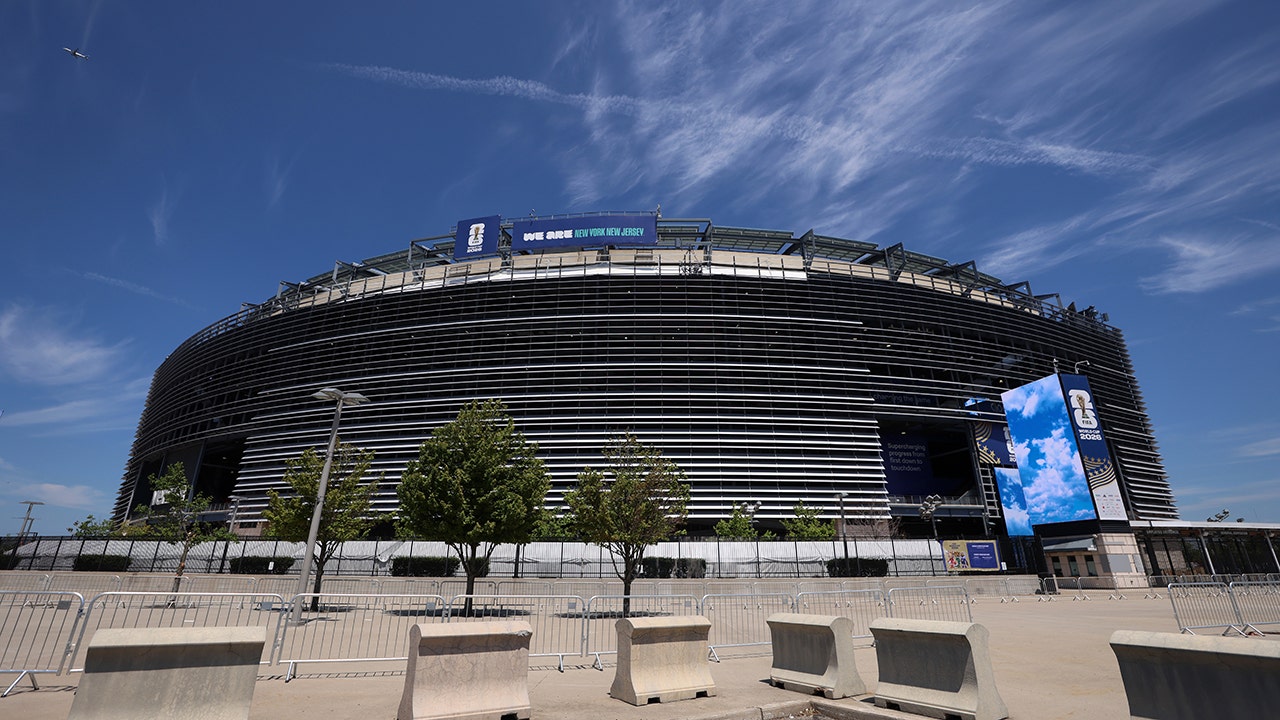
The steepest prices are for the July 19 final at MetLife Stadium in East Rutherford, New Jersey. The least expensive seats are listed at $7,256, far above New York’s average monthly mortgage payment of $4,096 and average rent of $4,872, Realtor.com reported.
In Dallas, the cheapest tickets for the July 14 semifinal are listed at $2,391, slightly above the city’s average mortgage payment of $2,351. In Atlanta, the lowest-priced semifinal tickets are $2,208, above the average mortgage payment of $2,149. Kansas City’s cheapest seats for a July 11 match are $1,567, compared with an average mortgage payment of $1,477. In Miami, the lowest-priced tickets for Colombia versus Portugal on June 27 are $2,700, nearly matching the city’s average mortgage payment and rent.
Some consumers have already been priced out. A LiveSportsonTV survey of 1,008 U.S. soccer fans found that 52% had given up on buying World Cup tickets because of high prices.
"We're seeing unprecedented prices for events like the World Cup because of supply and demand, to put it simply," Mark Sanaiha of Macallan Capital said in a statement. "For years, the experience economy has outpaced wage growth, and younger generations aren't planning to change that trajectory."
The pricing has also drawn scrutiny from state officials. Attorneys general in Texas, New York, New Jersey and California have launched probes into World Cup ticket pricing and packaging policies, Realtor.com reported.
"Being honest about ticket sales is not complicated," New Jersey Attorney General Jennifer Davenport said in a statement. "But FIFA has turned buying a ticket to the World Cup into a gauntlet of confusion, fake scarcity, and impossibly high prices – all at the expense of consumers and hardworking New Jerseyans."
The numbers highlight a broader tension in consumer spending. Households face a choice between housing costs and entertainment outlays, with the World Cup serving as a high-profile test case. If ticket prices remain elevated, the experience economy could face a pullback from price-sensitive fans. The regulatory probes add another layer of uncertainty for FIFA and secondary market platforms.
For traders watching consumer discretionary names, the World Cup pricing data offers a real-time gauge of household willingness to spend on big-ticket experiences. A sharp drop in attendance or a regulatory crackdown could ripple through event-driven stocks and travel-related sectors.