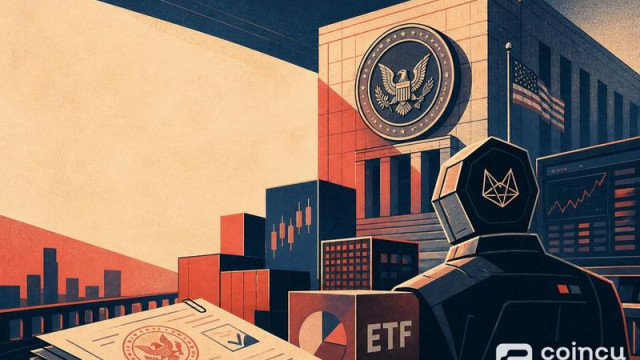
Wintermute wins SEC approval to trade equities and ETF blocks through a new broker-dealer, bridging crypto liquidity expertise into regulated traditional markets.
Crypto market maker Wintermute has secured approval to trade equities and ETF blocks under U.S. regulatory oversight, expanding the digital-asset firm's reach into traditional markets through a newly established broker-dealer arm.
Wintermute said it launched a U.S. broker-dealer to expand its regulated institutional reach, according to the firm's own announcement. The move brings the crypto-native market maker into the framework that governs equities and exchange-traded fund trading in the United States.
The step stands out because Wintermute built its business as a crypto market maker rather than a traditional brokerage. Operating a regulated broker-dealer places it under the same registration regime as other securities firms, a different footing from a purely digital-asset trading desk. The details echo earlier reporting that Wintermute registered as an SEC broker-dealer to trade stocks, options and crypto ETFs.
Block trades are large, privately negotiated transactions executed away from the continuous order book, typically used to move institutional-sized positions without disturbing the visible market price. For a market maker, handling that kind of ETF flow is central to providing liquidity and executing large trades. Wintermute's role in liquidity provision, as described on the firm's site, points to why block execution is a meaningful extension rather than a minor licensing detail.
Because the broker-dealer covers equities, the activity reaches beyond core crypto markets. It positions Wintermute to apply its liquidity expertise across both digital assets and traditional instruments. Multi-asset market making lets a single firm serve institutional counterparties across product lines, a potential strategic benefit as the lines between asset classes blur. The direction fits a broader pattern for the firm, which has also expanded liquidity in other segments; it recently moved to broaden tokenized gold liquidity by opening OTC trading.
A crypto market maker entering regulated equities and ETF block trading suggests tighter links between market segments that once operated separately. Market-making activity is directly tied to liquidity and execution efficiency, so added capacity could support institutional counterparties seeking to move size.
The step also reflects the ongoing convergence between crypto and traditional finance, with a digital-asset firm operating inside the regulated brokerage system. Any downstream impact still depends on execution and scale, which the available evidence does not yet quantify. Wintermute has previously weighed in on market conditions, warning that Bitcoin could fall to $59,000 as summer liquidity shrinks.
Wintermute established a U.S. broker-dealer to expand its regulated institutional reach, extending its activity into equities and ETF trading. The broker-dealer covers equities beyond core crypto markets, indicating a bridge from crypto liquidity expertise toward traditional assets. Block trades let institutions move large positions in a privately negotiated way, and handling that flow is central to a market maker's liquidity role. Market-making activity is linked to liquidity and execution efficiency, though the actual effect depends on how much scale Wintermute brings.
Disclaimer: This article is for informational purposes only and does not constitute financial or investment advice. Cryptocurrency and digital asset markets carry significant risk. Always do your own research before making decisions.
Drafted by a large language model from the source reporting linked above, then screened by automated publishing checks. It is not read by a journalist before publication. Some articles cite our Alpha Score. Verify prices and figures against the original source. Educational coverage, not personalized advice.