Winter Strips Cover, Ukraine War Risk Rises, Defense Stocks Gain
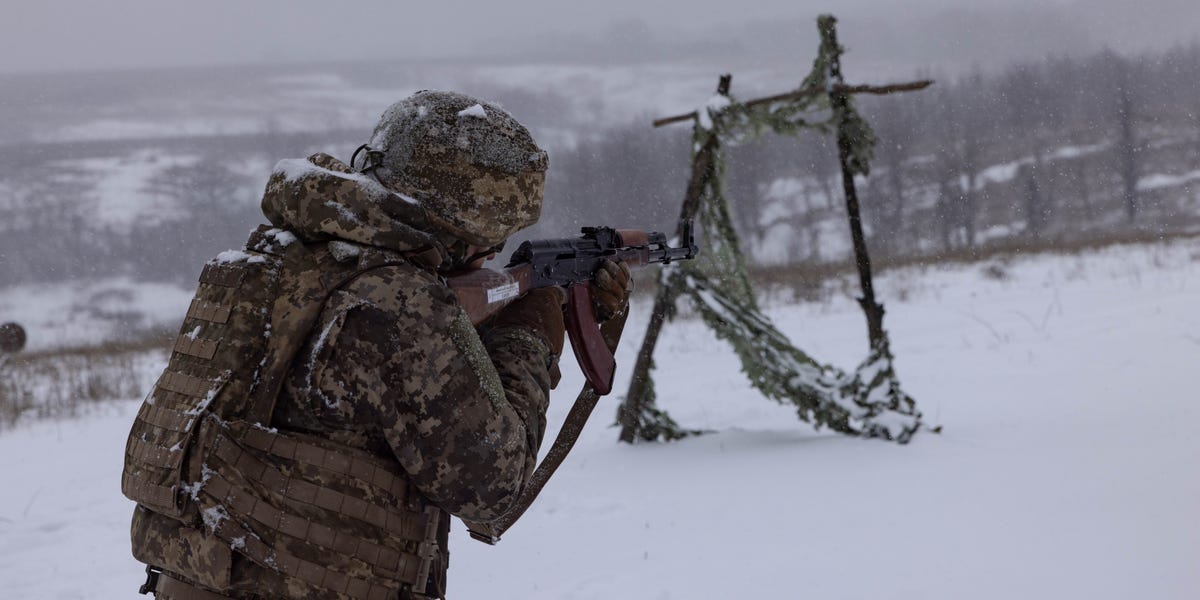
Ukrainian special operator says winter makes infiltration missions 'much harder' as drones watch kill zone. Prolonged conflict could lift defense stocks and energy prices.
Ukrainian infiltration missions become much harder in winter, when the leaves and vegetation that provide cover for soldiers are gone, a special operator told Business Insider. The operator, a member of the 4th Ranger Regiment of Ukraine's Special Operations Forces who goes by the call sign Gur, said the current summer conditions make movement easier. “Right now, infiltration is easier because it's summer – because the leaves have come out,” he said.
In winter, the kill zone – the drone- and robot-saturated area that typically extends 20 kilometers from the front line but can reach 40 or 50 kilometers – would make it “much harder to infiltrate into the area and carry out the mission,” Gur said. Drones are responsible for the majority of battlefield casualties, and they watch the kill zone constantly. Soldiers must keep moving; a mission that might take a few hours in summer could last several days in winter, with soldiers stopping in stages to avoid detection.
Winter also brings freezing temperatures. Heat sources risk producing thermal emissions that drones can spot. The combination of reduced cover, longer exposure, and constant drone surveillance raises the cost of every operation.
Defense and Energy Stocks in Focus
The prolonged conflict supports higher defense spending. Lockheed Martin and RTX have seen sustained demand for missile systems, drones, and counter-drone equipment. Shares of the two companies have rallied this year as the war continues. A winter stalemate could push NATO allies to increase weapons shipments, analysts at the Institute for the Study of War said.
Energy prices are also at risk. Brent crude has held above $80 a barrel this month. Winter weather could disrupt grain exports from Ukraine, with the Black Sea corridor remaining a key risk. Wheat futures have already priced in a volatile harvest season.
Gur's unit operates across the front line, from Sumy in the northeast to Donetsk in the east. His primary job is to hunt down Russian soldiers, whether in fixed positions or moving through urban areas. “If you're fighting in a city, there aren't really any fixed positions,” he said. “It's usually search-and-strike operations and infiltration.”
The winter months run from November through February. The next major milestone is the start of the winter fighting season, which typically slows offensive operations but does not stop them.
Drafted by a large language model from the source reporting linked above, then screened by automated publishing checks. It is not read by a journalist before publication. Some articles cite our Alpha Score. Verify prices and figures against the original source. Educational coverage, not personalized advice.