Why Ukraine's Drone Teams Rout NATO Units in Exercises
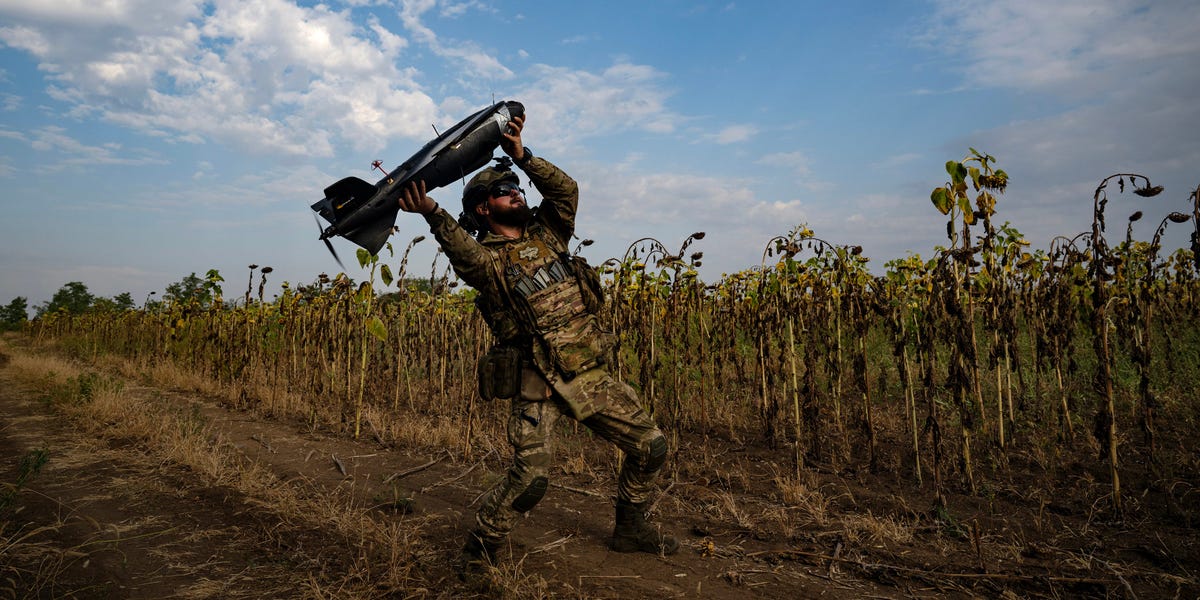
Ukraine's drone teams consistently beat NATO units in joint exercises, revealing an experience gap that NATO is now racing to close by adopting Ukrainian tactics and training methods.
Ukraine's small drone teams have repeatedly beaten NATO units in joint exercises, a gap that participants on both sides viewed as predictable, according to a recent account of the drills. The outcome reflects Ukraine's two years of combat drone operations – experience no NATO member can replicate in peacetime training.
Ukrainian units bring real-time kill-chain coordination, electronic warfare integration, and low-cost attrition tactics that NATO forces have only practiced in controlled settings. In simulated engagements, Ukrainian drone operators consistently located and engaged mock targets faster than their NATO counterparts, the account said. NATO personnel acknowledged the disparity, with some noting that the Ukrainians' ability to adapt mid-mission came from daily operations against Russian jamming and counter-drone systems.
The exercises were part of NATO's effort to integrate Ukrainian units into allied training, both to share battlefield lessons and to assess interoperability. Ukrainian commanders did not hide their advantage. One officer was quoted as saying the drills felt "too easy" compared to real combat. The comment was not dismissive; it underscored a genuine expertise gap that NATO is now trying to close.
NATO is incorporating Ukrainian drone tactics into its own training manuals, the account said. The alliance is also studying Ukraine's decentralized command structure, which allows small drone teams to call in strikes without waiting for higher approval. That speed has proven decisive in Ukraine's defense against Russian armor and artillery.
The broader implication for defense planners is clear: drone warfare experience cannot be simulated. NATO members with limited combat exposure face a steep learning curve if they intend to field drone-centric units. The exercises suggest that raw investment in drone hardware – without corresponding combat-style repetition – will not produce effective operators.
For markets, this experience gap could accelerate NATO and European defense spending on drone training ranges, electronic warfare simulators, and live-fire exercises. Defense contractors that specialize in drone training systems and counter-drone technology may see increased demand, though no specific contracts have been announced. The exercises also highlight the importance of ongoing Ukraine deployment for allied forces: the more NATO troops rotate through Ukrainian units, the faster the knowledge transfer.
One NATO official described the current situation as a "reverse mentorship" where a non-member is teaching the alliance how to fight the next war. The account noted that neither side was surprised by the results. Ukrainian teams expected to outperform; NATO personnel expected to learn.
Drafted by a large language model from the source reporting linked above, then screened by automated publishing checks. It is not read by a journalist before publication. Some articles cite our Alpha Score. Verify prices and figures against the original source. Educational coverage, not personalized advice.