The Strait of Hormuz Demand Changed the Risk Map
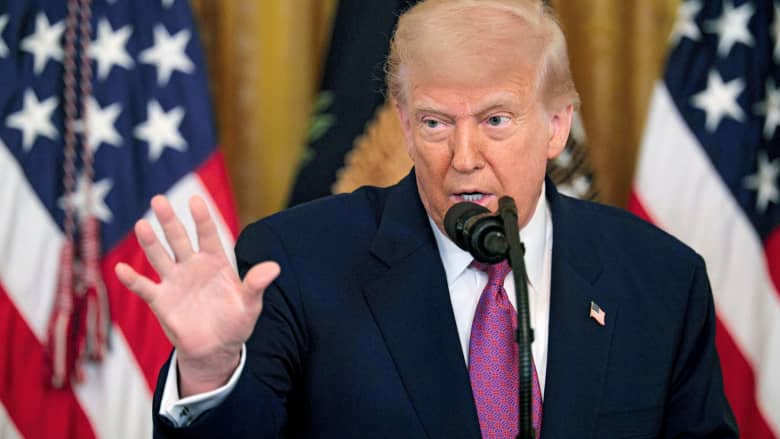
Donald Trump on Friday outlined the terms of a potential agreement with Iran, posting on Truth Social that Tehran must agree never to develop a nuclear weapon and that the Strait of Hormuz must open immediately for unrestricted shipping in both directions without tolls. The president said he was making a final decision on the deal.
The second demand is the market-relevant detail. The Strait of Hormuz is the chokepoint for about one-fifth of the world's oil supply. A requirement that Iran guarantee unrestricted passage, with no toll collection, goes beyond a typical nuclear framework. It addresses the single largest tail risk for crude markets: a blockade or harassment campaign that could spike oil prices overnight.
Why This Changes the Oil and Tanker Watchlist
For anyone tracking energy exposure, the Hormuz condition creates a binary setup. If Iran accepts the framework, the risk premium tied to Gulf oil transit drops immediately. That would pressure crude futures and hit tanker equities that have priced in a continued disruption premium.
If Iran rejects the condition or negotiates slowly, the market reads the same demand as a sign that Washington sees the waterway as vulnerable. Tanker rates and war-risk insurance premiums would stay elevated, and producers in the Gulf would keep discounting cargoes to compensate for transit uncertainty.
The Naive Read vs. The Better Market Read
The simple take: Trump wants a nuclear deal. The better market read: he specifically named the mechanism that would collapse the risk premium in oil. A nuclear-only deal would leave the Hormuz ambiguity unresolved. By naming the strait explicitly, Trump signaled that the U.S. wants a settlement that removes the single most disruptive lever Iran has outside of a direct attack.
Oil traders and shipping analysts now have a concrete text to watch for in follow-up statements from Tehran. A positive Iranian response that references freedom of navigation is worth more to crude markets than a vague pledge on enrichment.
The Next Decision Point for Traders
The gap between Trump's post and an Iranian response is the uncertain window. Tehran's first public reaction will set the direction. A quick acceptance of the terms would be a selling event for Brent and WTI. A rejection or a counteroffer that avoids the strait question keeps the chokepoint premium alive.
Traders should also watch the U.S. dollar and gold for spillover. A confirmed deal framework that cuts oil risk would remove one inflation-supporting factor, which could push the dollar higher and gold lower on reduced geopolitical hedging. The opposite move would follow a rejection.
For now, the market has a priceable scenario. That is more than most geopolitics provides. The challenge is that the scenario depends on a single decision from a regime that has not yet responded.
AlphaScala Context: What Changes for Watchlists
The Hormuz condition moves this from a diplomatic headline into a hard catalyst for energy sector watchlists. The risk premium in crude is now tied to a yes-or-no answer, not a negotiation timeline. For stock market analysis purposes, the sectors that would reprice fastest are energy producers, tanker operators, and Gulf-state equities. A clear acceptance would reset positioning in all three. A delay or rejection leaves the status quo intact, which is itself a signal: the premium stays.
For a look at how broader strategy credibility tests this kind of direct diplomacy, see Goldman Sachs Bernstein Talk Tests Strategy Credibility.