Stocks● Neutral
Why Trump's ban on Chinese humanoid robots is a double-edged sword
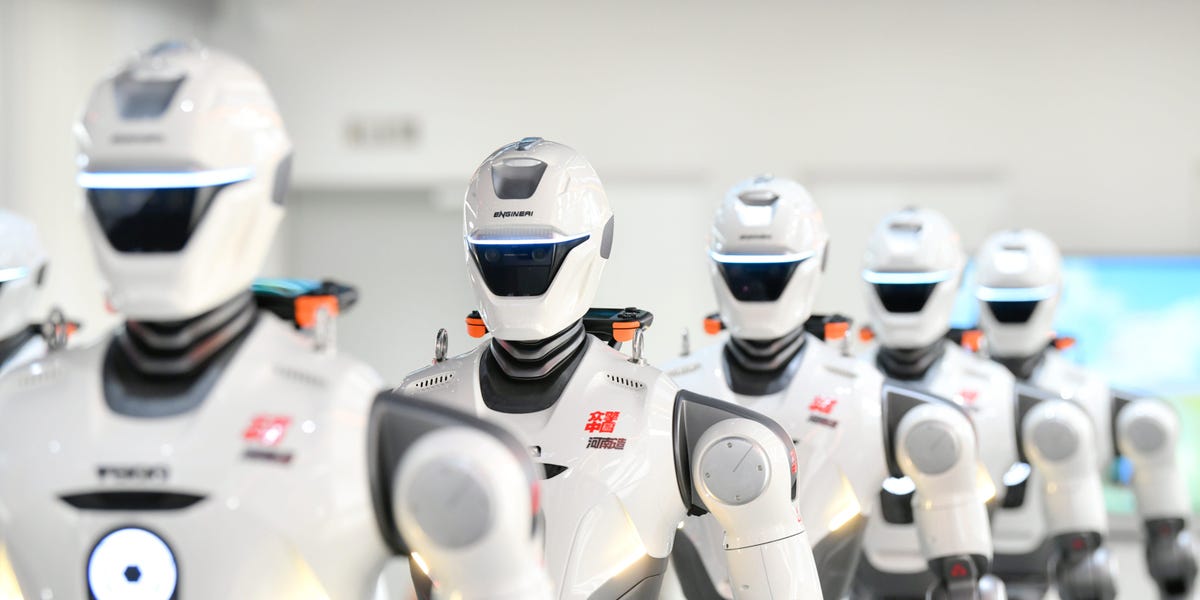
The FCC's ban on Chinese humanoid and quadrupeds aims to protect US national security. Experts say it could boost domestic robotics but leave China with a larger market.
Continue with
The Trump administration banned imports of advanced robots from China, including humanoid and quadrupeds, citing national security risks. The Federal Communications Commission announced the rule Tuesday, calling the machines an "unacceptable" threat. The ban also covers Chinese-made power inverters used in batteries and data centers. Robots already in the United States are exempt.
The reaction from policy experts and tech investors was immediate and split. Chris McGuire, a senior fellow for China and emerging technology at the Council on Foreign Relations, called the move a "very, very big deal" on X. He said it would push the U.S. to build its own robotics supply chains while "preventing China from flooding the U.S. market with cheap robots that also pose national security risks." McGuire praised the tactic of blocking specific fast-growing technologies from China.
Rush Doshi, director of the China Strategy Initiative at the Council on Foreign Relations, compared the ban to the FCC's December restrictions on foreign-made drones. "The FCC's drone action was a shot in the arm for the domestic drone industry, and I think this has that same potential in robotics," Doshi wrote. He served as deputy senior director for China and Taiwan on the National Security Council under President Joe Biden.