The 48-Hour Escalation That Changed the Threshold
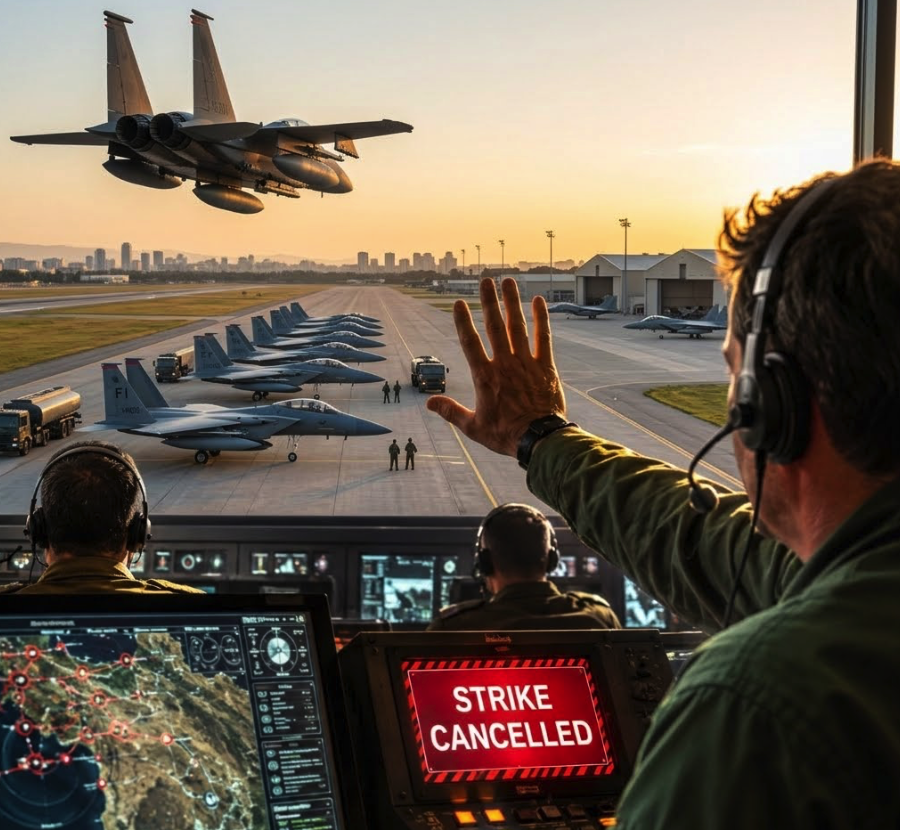
Israel and Iran traded direct missile strikes over a 48-hour period, a cycle that brought the region closer to open conflict than at any point since the April 7 ceasefire. The sequence ended when Prime Minister Benjamin Netanyahu called off a planned third wave – described by a New York Times reporter as "massive" – after a phone call with President Donald Trump. Aircraft were already prepared for takeoff.
The Trigger Sequence
The escalation began when Israel struck southern Beirut, a Hezbollah stronghold, on Sunday. Iran had warned in advance that such a strike would draw a missile response. That response came Sunday night, with the first wave targeting the Ramat David Air Base in northern Israel. An Israeli military official, speaking on condition of anonymity, said Iran fired "close to 30 ballistic missiles" and the Houthis added two more.
The Israeli Response: Two Waves
Israel answered with two strike waves. Dozens of Israeli Air Force fighter jets hit nine Iranian air defense systems in western and central Iran. The IDF later published footage of one strike, stating the system was armed with anti-aircraft missiles. The military said the goal was to "further expand the Israeli Air Force's aerial superiority in the skies over Iran," with the aim of removing threats to Israeli citizens.
Israel also struck the Bandar Imam Petrochemical Complex near Mahshahr, a facility comprising more than 50 plants producing about 72 million tons of products annually, according to Iran's oil ministry. This was the first Israeli strike on that asset since the April ceasefire.
Why the Third Wave Mattered for Markets
The third wave was not a minor addition. According to Channel 12, around 4:30 p.m. Monday, Netanyahu approved a major operation against Iran to take place later in the day. Israeli sources said dozens of fighter jets were supposed to participate in an attack on a series of targets across Iran. The planned strike was halted after Trump called Netanyahu and instructed him to stop.
The Mechanism That Broke the Cycle
Trump's intervention was the circuit-breaker. According to sources, Trump made clear that if Israel launched a broad strike on Iran, it would be left alone. Netanyahu argued that failing to respond would harm deterrence. Trump demanded a limited, measured response, not one that would open a new campaign. The White House feared Netanyahu was trying to torpedo the possibility of reaching an agreement with Iran by creating a new security reality.
Risk to watch: The third wave was called off, not cancelled. The plans remain on the table. Any new Iranian or Hezbollah attack could reactivate them.
Netanyahu informed the defense establishment that the plans had to be stopped. The IDF canceled strikes planned for later in the day and overnight. In practice, the round with Iran was halted long before Israel had exhausted its options.
The Trigger-Response Chain: What Traders Need to Track
The escalation follows a clear pattern. Hezbollah fires rockets into northern Israel. Israel strikes southern Beirut. Iran launches ballistic missiles at Israel. Israel strikes Iranian military and energy infrastructure. Each step raises the threshold for the next.
What Made This Cycle Different
Previous rounds since April followed a similar pattern. This round included a direct Iranian ballistic missile attack on an Israeli air base. The Ramat David strike was a qualitative escalation. Iran's armed forces headquarters warned that "much more severe and devastating actions than before will be forthcoming" if aggression continues, including in southern Lebanon.
Defense Minister Israel Katz responded by stating that any Hezbollah attack on northern Israeli communities "will lead to an attack on the Dahieh," the Beirut suburb where Hezbollah support is strong. That statement sets up the next trigger: if Hezbollah fires again, Israel hits Beirut again, and Iran likely responds with more ballistic missiles.
The Hezbollah Factor
Hezbollah has been firing hundreds of rockets into Israel. Netanyahu's Monday video address called the fire "contained" because "after the terror regime in Tehran took a blow, it ceased attacking us." But Hezbollah has not committed to stopping. Katz explicitly stated the response to any further cross-border attack will be a strike on the Dahieh.
Iran issued a conditional threat. The armed forces headquarters said that if aggression continues, including in southern Lebanon, "much more severe and devastating actions than before will be forthcoming." That language links the two theaters: Hezbollah's actions in Lebanon are now tied to Iranian missile responses.
Affected Assets: Energy, Defense, and the Persian Gulf Chokepoint
The Mahshahr Complex
The strike on the Bandar Imam Petrochemical Complex is the most direct market signal. This facility is a crown jewel of Iran's energy sector. Any disruption to its output – 72 million tons annually – affects global petrochemical supply chains. The complex is located near the vital industrial port of Bandar Imam Khomeini on the Persian Gulf, a chokepoint for crude shipments.
Defense Sector Exposure
Israeli defense contractors benefit from increased munitions consumption and potential replenishment orders. Iranian air defense systems were the primary target in the first two waves. The IDF stated that destroying nine systems "further expands the Israeli Air Force's aerial superiority." That degradation changes the risk calculus for any future strikes.
Broader Market Read: Contained or Paused?
The naive read is that the third wave being called off means the risk is contained. The better read is that the cycle is paused, not broken. Netanyahu warned that Israel would "respond forcefully" if attacked again. Iran issued similar threats. The underlying triggers – Hezbollah rockets, Israeli strikes on Beirut – remain active.
What Confirms the Thesis, What Weakens It
Confirmation Signals (Escalation)
- Hezbollah fires rockets into northern Israel. This is the most likely near-term catalyst. Katz has explicitly stated the response will be a strike on the Dahieh.
- Iran launches another ballistic missile salvo. The threshold for an Israeli response is now lower after the third-wave plans were prepared.
- Israel strikes the Mahshahr complex again or hits other energy infrastructure. That would signal the third-wave plans are being executed piecemeal.
Weakening Signals (De-escalation)
- Hezbollah halts rocket fire for an extended period. This removes the trigger for Israeli strikes on Beirut.
- Trump announces progress on a deal with Iran. The White House's stated goal is to pursue a diplomatic resolution.
- Netanyahu publicly commits to no further strikes without U.S. coordination. The phone call established a precedent for U.S. veto power.
Practical rule: Track Hezbollah rocket fire as the leading indicator. If it stops for 72 hours, the cycle is paused. If it resumes, expect the Beirut-Beijing missile exchange to restart within 24 hours.
The Next Decision Point
Netanyahu said in a video address Monday that "currently, the fire on this front is contained, because after the terror regime in Tehran took a blow, it ceased attacking us." That framing leaves room for Israel to claim victory and stop. It also sets a high bar for future restraint: if Iran attacks again, Israel's response will likely be the third wave that was prepared.
Iran signaled the attacks had concluded for now. The armed forces headquarters statement included a conditional threat: if aggression continues, "much more severe and devastating actions" will follow.
The market implication is that the risk premium in crude, petrochemicals, and Israeli equities should not fully unwind. The cycle is paused on a phone call, not a treaty. The next trigger is likely days or weeks away, not months.
For traders tracking this, the key variable is Hezbollah's rocket fire. If it resumes, the entire escalation chain restarts. If it stays quiet, the window for diplomatic resolution – however narrow – remains open.
AlphaScala's stock market analysis shows AMZN at an Alpha Score of 52 (Mixed), reflecting a market pricing in geopolitical risk without clear direction. The same data set shows SO at 44 (Mixed) and NYT at 51 (Mixed), reinforcing the pattern of broad risk aversion without a sector rotation signal.