Stocks● Neutral
Why the Rich Python Library Changes Terminal Workflows
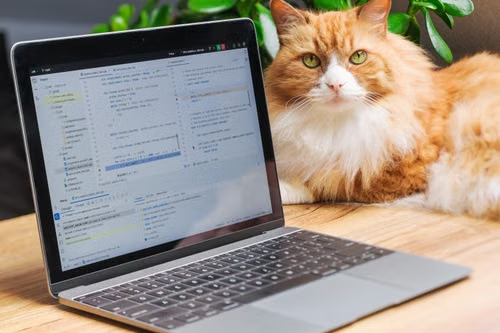
Rich turns terminal output into formatted tables, progress bars, and syntax-highlighted code. A single import replaces print() and transforms debugging.
Continue with
Most Python developers know the big names: requests for HTTP, pandas for data, numpy for math. One library that gets overlooked is rich, and it solves a problem that hits anyone who stares at a terminal all day: output that is hard to scan.
rich turns plain terminal text into formatted tables, syntax-highlighted code, progress bars, and even Markdown. The team behind it built a Console class that logs with timestamps, writes to files, and captures output for testing. A developer debugging a complex data structure can replace print() with rich.print() and see keys in one color, values in another, nested indentation done automatically. That alone saves time on every debugging session.
The real power shows in the Table class. Building a formatted table with headers and aligned columns takes three lines of code. For anyone who has tried to align columns with string padding and given up, this is the fix. The Progress class wraps any iterable with track() and displays a live progress bar with estimated time remaining and transfer speed. Multiple bars can run simultaneously–useful for parallel downloads or batch processing.