Stocks● Neutral
Why the Kellblog Creator Embraces AI Remix Culture
Dave Kellogg's new default answer when someone asks to build on his work: yes. The Kellblog creator on why AI remix culture changed his mind on derivative works.
Continue with
Dave Kellogg, the longtime enterprise software blogger behind Kellblog, has a new default answer when someone asks to build on his work: yes.
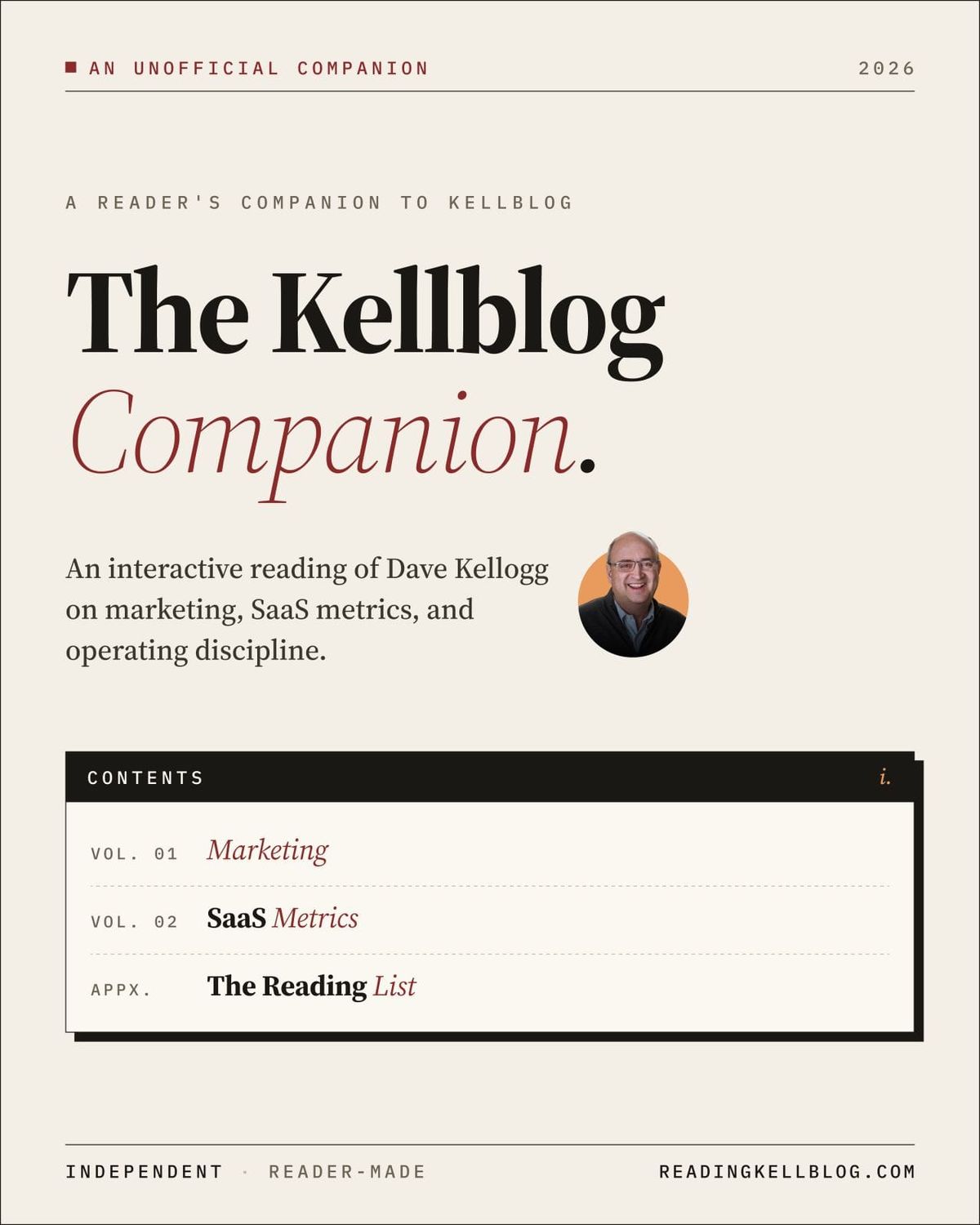
That shift comes as a wave of derivative projects has reshaped how he thinks about content in the AI era. Saurav Chowdhury built the Kellblog Companion, a topical knowledge base that reorganizes years of posts into a browsable textbook-like structure. Someone else built a Dave Kellogg GPT, which Kellogg has now linked from the site. Fluint co-founder Nate Nasralla created a curated reading guide for early-career enterprise sellers. A technical marketer started building a support chatbot before changing jobs.
"Collectively, these projects made me rethink something I'd rarely considered before: what role derivative works should play in the AI era," Kellogg wrote.
The trigger was traffic loss. Like most independent publishers, Kellogg has seen his web traffic drop as large language models answer questions directly instead of sending readers to the original source. Claude can provide the correct answer from a Kellblog post without generating a single click. For a blog that never monetized through ads, the point was always about sharing lessons learned and building a brand.
"Kellblog has always been a message in a bottle," he said.
His first response was a platform change, moving from WordPress to Ghost for responsive design, native newsletter support, and a cleaner editing system. His second was a posture change toward the people building on top of his content.