The Federal Reserve's new AI task force, unveiled Thursday, is staffed with three external advisors who all share a sunny view of artificial intelligence's impact on the economy. That alignment with Chairman Kevin Warsh's own optimism sends a clear signal about the central bank's policy direction.
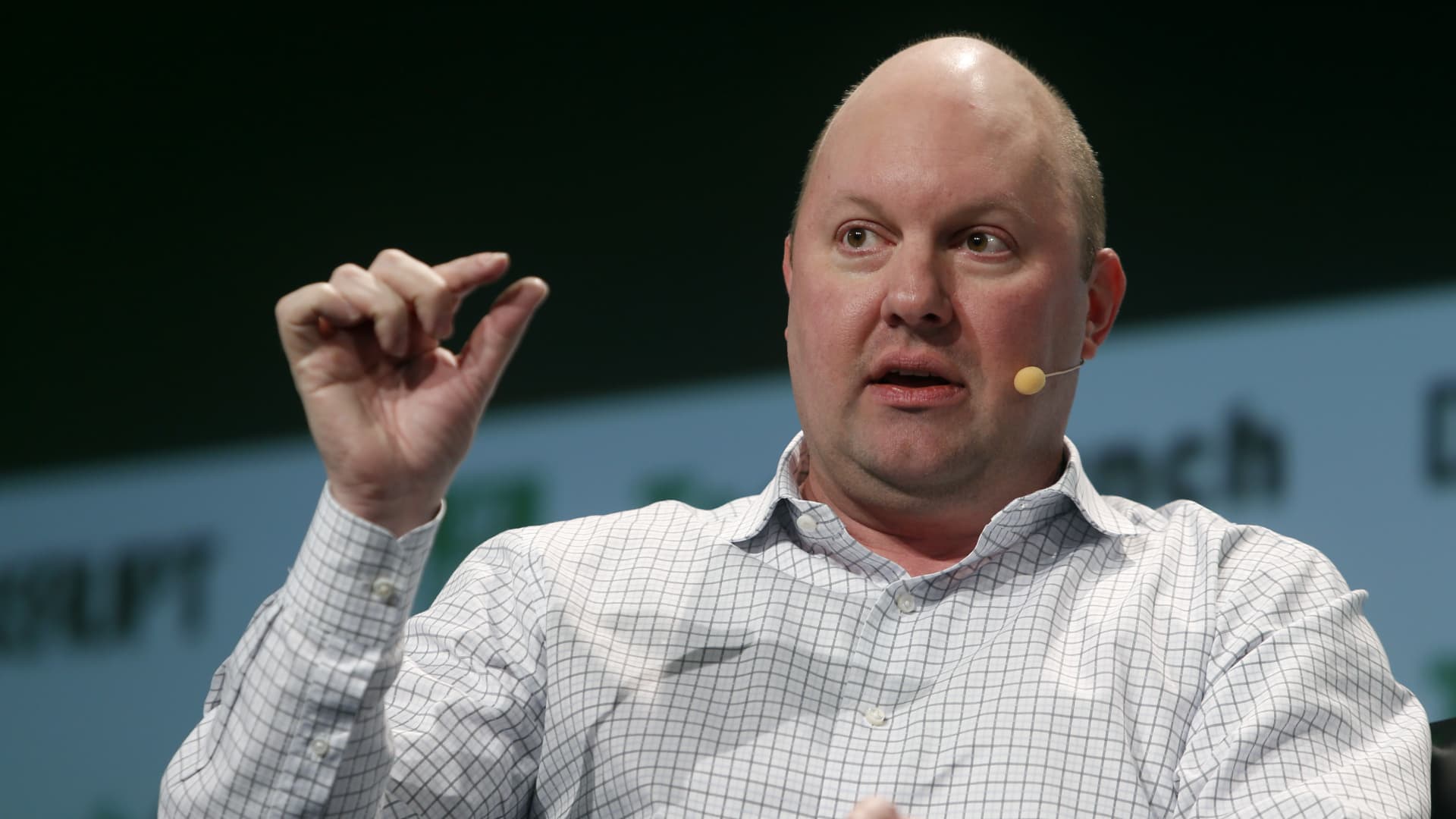
Venture capitalist Marc Andreessen sits on the panel. He has called AI the technology that "turned sand into thought." Economist Charles I. Jones is another member. He recently published a paper suggesting AI could push U.S. per-capita growth above 5% a year. The third is Asha Sharma, CEO of Microsoft's Xbox business, who told Bloomberg she believes in AI "absolutely."
Warsh has long argued that AI adoption could let the Fed cut interest rates without stoking inflation. He said in 2025, before becoming chairman, that AI would help the economy grow quickly while keeping price pressures in check. The task force's formal charge is to "assess the economic impact of new general-purpose technologies, including artificial intelligence, to inform the Federal Reserve's policy judgments." Warsh selected the members personally.
Yet the Federal Open Market Committee is not fully sold. Minutes from the June meeting, released this week, show some participants bought into the idea that productivity would speed up. But "considerable uncertainty remained regarding both the timing and magnitude of potential productivity gains," the minutes said. New York Fed President John Williams on Thursday warned that AI is a "demand shock" that has pushed up prices of semiconductors and electricity–some components doubling or tripling–and he questioned whether supply would keep up.
For markets, the tension between the task force's optimism and the FOMC's caution creates a clear macro transmission. If the task force reinforces Warsh's view and the Fed eventually adopts a more dovish stance, lower terminal rate expectations would push down bond yields and weaken the dollar. That would be a tailwind for gold, growth stocks, and crypto. The risk is that the productivity boost takes years to materialise, while the demand shock hits inflation sooner. Williams's comments highlight that the supply side may not keep pace with AI-driven demand, keeping the Fed on hold longer than the task force implies.
Microsoft's stock sits at $384.35, up 0.26% on the day, with an Alpha Score of 56 (Moderate). The company's deep AI investments–through its OpenAI partnership and Azure AI services–mean its fortunes are tied to the same productivity debate that the task force will examine. The company's Xbox chief, Sharma, is herself a member of the panel, though she has said that for now, gaming console players are not excited about an AI-first experience.
The Fed meets again at the end of July, with rates expected to stay unchanged. The AI task force is due to finish its work by year-end. Until then, every comment from Warsh, Williams, or the task force members will be parsed for whether the productivity glass is half full or half empty.