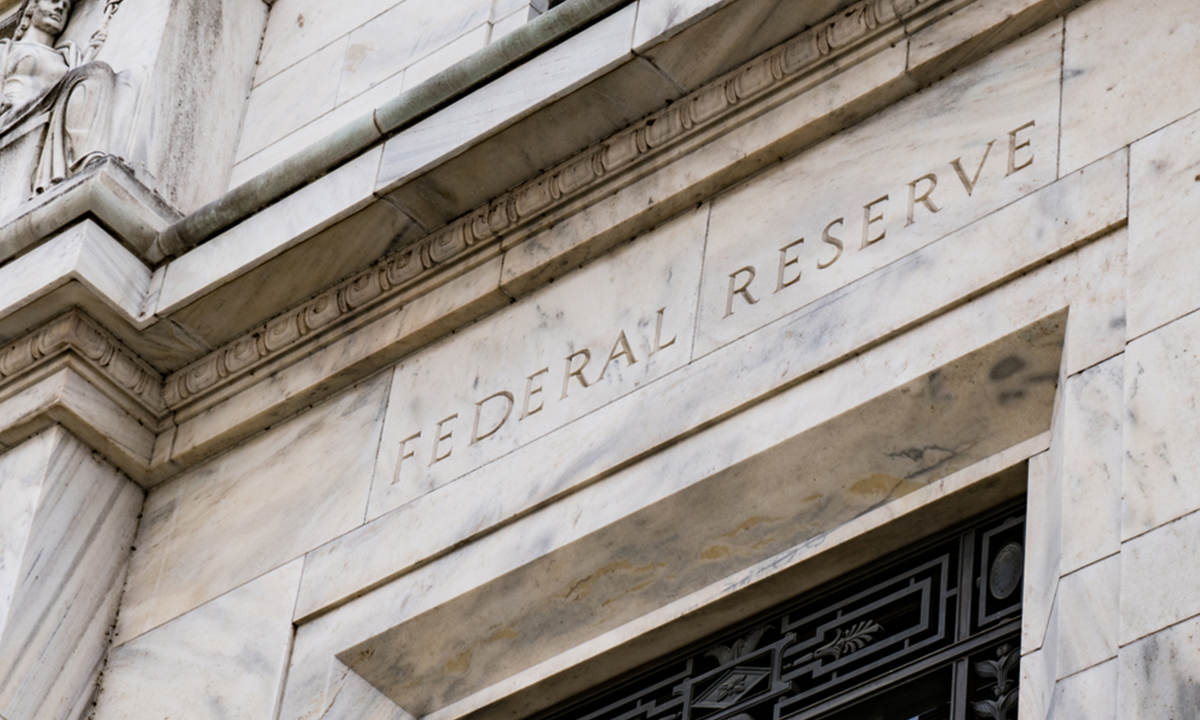
Kevin Warsh is bringing in outside voices to reexamine how the Federal Reserve sets policy. The Fed chair announced five task forces on Thursday, each co-led by three external advisors, to review the central bank's methods around inflation, balance sheet management, data, productivity, and communications. The groups will operate independently but with Fed staff support, and their feedback goes directly to the Federal Open Market Committee.
“The goal is straightforward: to ensure the Fed is best positioned to achieve our objectives in this consequential time,” Warsh said in the release.
The picks are notable for their mix of academic heavyweights and industry figures with direct policy experience. The inflation frameworks task force includes Greg Mankiw, Thomas Sargent, and William White. Mankiw and Sargent are both known for their work on inflation expectations and rules-based policy. White, formerly of the Bank for International Settlements, has been a vocal critic of overly accommodative central bank policy. That group could recommend a more disciplined approach to inflation targeting, which would carry hawkish implications for the rate path.
The balance sheet task force is led by Karen Dynan, Raghuram Rajan, and Jeremy Stein. Rajan, a former RBI governor, has warned about the risks of prolonged balance sheet expansion, while Stein, a former Fed governor, has written about the financial stability implications of quantitative easing. Their recommendations could shape the pace of the Fed's runoff and the eventual size of the balance sheet.
Marc Andreessen, Charles Jones, and Asha Sharma will lead the productivity and jobs task force. This group is tasked with assessing the economic impact of artificial intelligence and other general-purpose technologies. Jones is currently on leave at Anthropic, the AI company. The AI angle is the most forward-looking piece of the review. If the task force concludes that AI will meaningfully boost productivity growth, it could push the Fed to raise its estimate of the neutral rate of interest, making current policy less restrictive than it appears.
Warsh previewed the task forces at a June 17 press conference, saying he wanted a “fresh look” at subjects that are “timely and consequential.” The composition suggests a tilt toward academic rigor over market-friendly instincts. Mervyn King, the former Bank of England governor, will lead the communications review, a sign that the Fed may rethink how it talks about its own forecasts and decisions.
The simple read is that the Fed is opening itself up to external criticism. The better read is that the specific selections–Mankiw, Rajan, Sargent, King–are all figures who have questioned the orthodoxy of recent years. That could translate into a more cautious, less dovish Fed over time. Markets will watch for any interim signals from the task forces, though no reporting deadline has been set.
Walmart CEO Doug McMillon and Xbox chief Asha Sharma are also on the productivity task force, reflecting the Fed's interest in ground-level data on technology and employment. Both companies are rated Moderate by AlphaScala, with MSFT at 56 and WMT at 58, a score that captures the structural uncertainty these reviews introduce.
The task forces will provide 'candid feedback' to the FOMC, according to the Fed's release. That phrase alone signals a shift in tone from an institution that has often preferred to present a unified front.