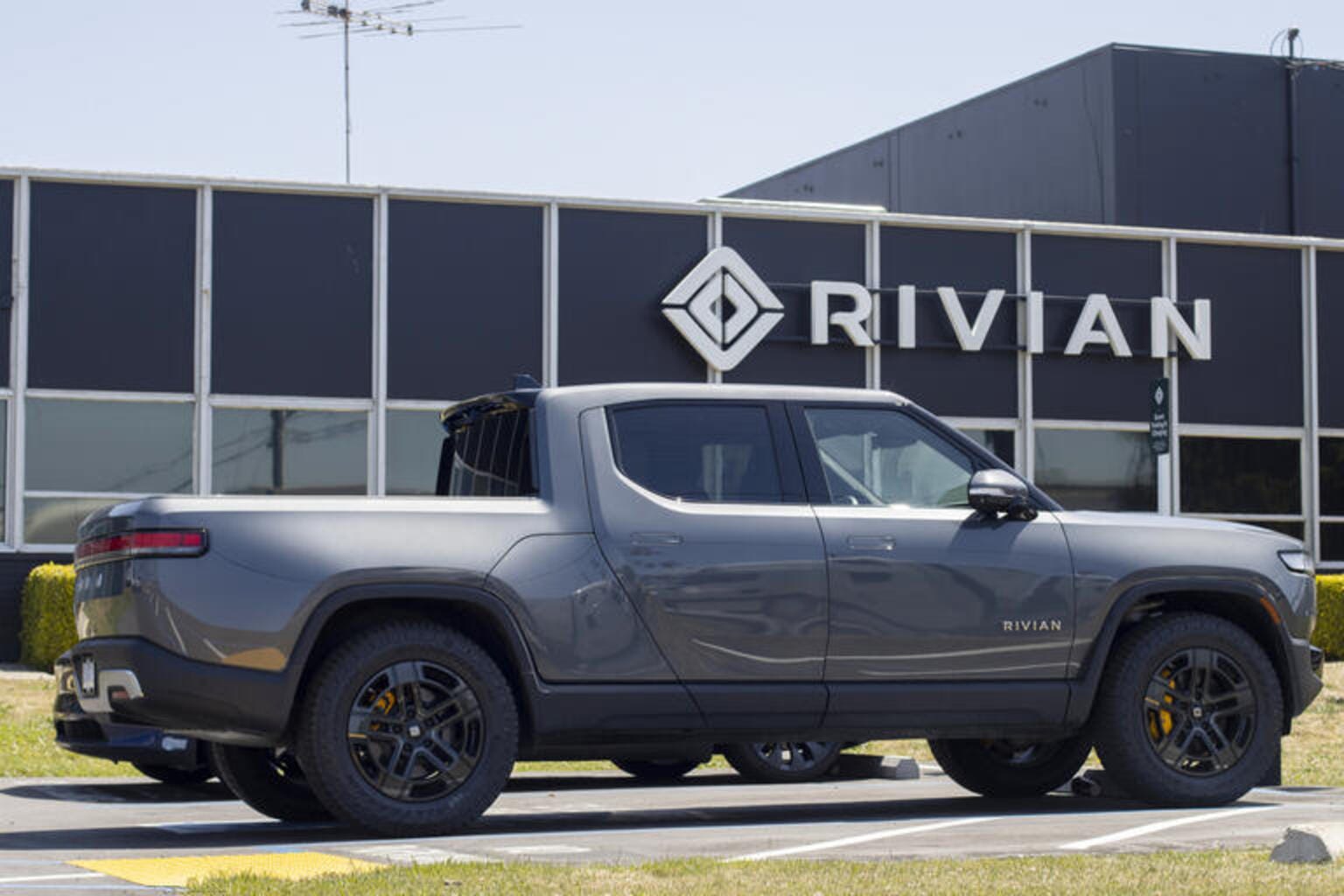
Rivian Automotive (NASDAQ:RIVN) is entering a concentrated execution window. The electric-vehicle maker is shifting from premium pickups and SUVs to the mass market with the R2 platform while expanding manufacturing capacity by roughly 5x. The stock carries an Alpha Score of 34/100 (Weak) in the Consumer Discretionary sector. That score does not mean the stock cannot appreciate. It does mean the risk-reward is skewed to the downside if the ramp stumbles.
R2 Production Ramp as the Defining Catalyst
The R2 targets a price range Rivian has not yet reached. Success depends on hitting production timelines, controlling per-unit costs, and generating enough demand to absorb the new capacity. Management has guided for R2 production to begin in the first half of 2026. That timeline leaves room for suppliers, tooling validation, and capital deployment before any revenue materializes.
Revenue visibility over the next two quarters remains tied to the existing R1T and R1S lines. Those models carry premium price points and higher content costs. Gross profit per vehicle has been a persistent challenge. The path to positive gross profit depends on scale savings from the R2 ramp and from lower battery costs. Without those improvements, the company will continue to burn cash at a high rate.
Capital Requirements and Execution Risk
Cash burn is the primary financial risk. Rivian ended the last reported quarter with roughly $7.8 billion in cash and equivalents. That cushion funds the Georgia factory expansion and the R2 launch. The burn rate remains high enough that additional capital raises cannot be ruled out. The company has used at-the-market equity programs in the past. Any new dilution would pressure the stock price further, especially if the R2 delivery numbers disappoint early.
Peer read-through matters here. Tesla has cut prices aggressively, and Ford has scaled back EV investment. The mass market is more price-sensitive and margin-squeezed than the luxury segment. Rivian must compete not just on product specs but on per-unit cost structure. The R2 success depends on battery supply agreements, manufacturing yields, and logistics – all areas where start-up EV makers have stumbled.
What Would Confirm or Weaken the Setup
A confirmation would be quarterly delivery numbers above consensus, stable or improving gross margin, and no equity offering. A weakening would be a production delay announced for the R2, a surprise capital raise, or a competitor price war that forces Rivian to cut R2 prices before launch.
For now, the stock price incorporates some of the risk but not all of it. The RIVN stock page shows the market pricing in a binary outcome: either the R2 works and the company reaches sustainable scale, or the cash burn forces a restructuring event. The next two earnings reports will provide data on which side of that bet is more likely.
Related coverage: RIVN stock page and stock market analysis.