Stocks● Neutral
Why Rand Paul’s Six Penny Plan Expands Federal Spending
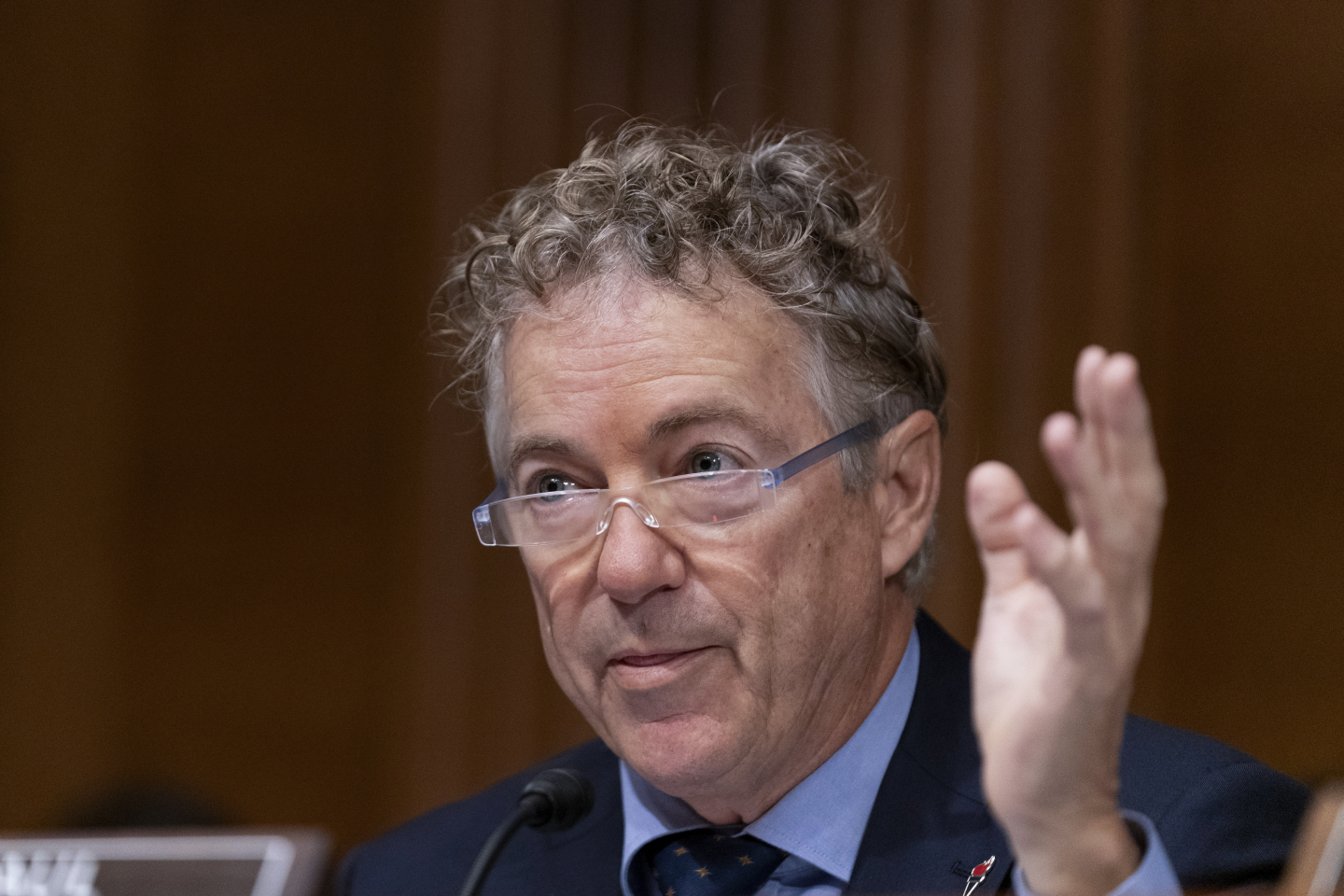
Rand Paul's 'Six Penny' plan to balance the budget ignores the $39 trillion debt's root cause: the government's ability to borrow against future tax growth.
Continue with
Senator Rand Paul’s "Six Penny" budget proposal, which aims to achieve a balanced federal budget within five years by shaving six cents from every dollar of projected spending, rests on a fundamental misunderstanding of the mechanics of federal debt. While the proposal is framed as a fiscal restraint mechanism, it ignores the reality that the sheer scale of the U.S. national debt—now exceeding $39 trillion—is not a failure of budget discipline, but a symptom of the government's unique ability to command future tax revenues. By focusing on nominal spending cuts, the plan fails to address the underlying engine of government expansion: the market's unwavering confidence in the future productivity of the American taxpayer.
The Mechanism of Treasury Market Confidence
To understand why a balanced budget rule would likely result in a larger federal footprint, one must first look at the Treasury market. U.S. Treasuries remain the most widely held income streams globally, a status predicated on the belief that future federal revenues will dwarf current collections. If the market did not believe that the U.S. government would have access to the output of the most productive, entrepreneurial workforce on earth, it would not fund the current profligacy of Congress. The $39 trillion debt is not a sign of market failure; it is a sign of market efficiency in pricing the future tax capacity of the United States.
When Senator Paul proposes cutting six cents from every dollar of projected spending, he is operating on the assumption that the total pool of dollars will remain static or shrink. However, because the Treasury market is pricing in significantly higher tax revenues in the future, the "six cents per dollar" reduction is being applied to an ever-expanding base of projected spending. Consequently, even if the plan were implemented, the absolute dollar amount of federal spending would continue to climb. The budget would be "balanced" only by the metric of the deficit, not by the metric of the government's total command over economic resources.
The Fallacy of Spending Cuts as a Constraint
Appropriators in Washington have historically demonstrated a consistent ability to ignore budget limits, as evidenced by the $2 trillion deficit recorded last year. The "Six Penny" plan assumes that these same appropriators will suddenly adhere to a new rule. History suggests that any savings generated by shaving six cents off the dollar would not be returned to the private sector or used to reduce the principal of the debt. Instead, these savings would act as fresh capital, providing the government with the liquidity to launch new programs. In the logic of federal budgeting, a "saved" dollar is merely an unallocated resource waiting for a new legislative mandate.