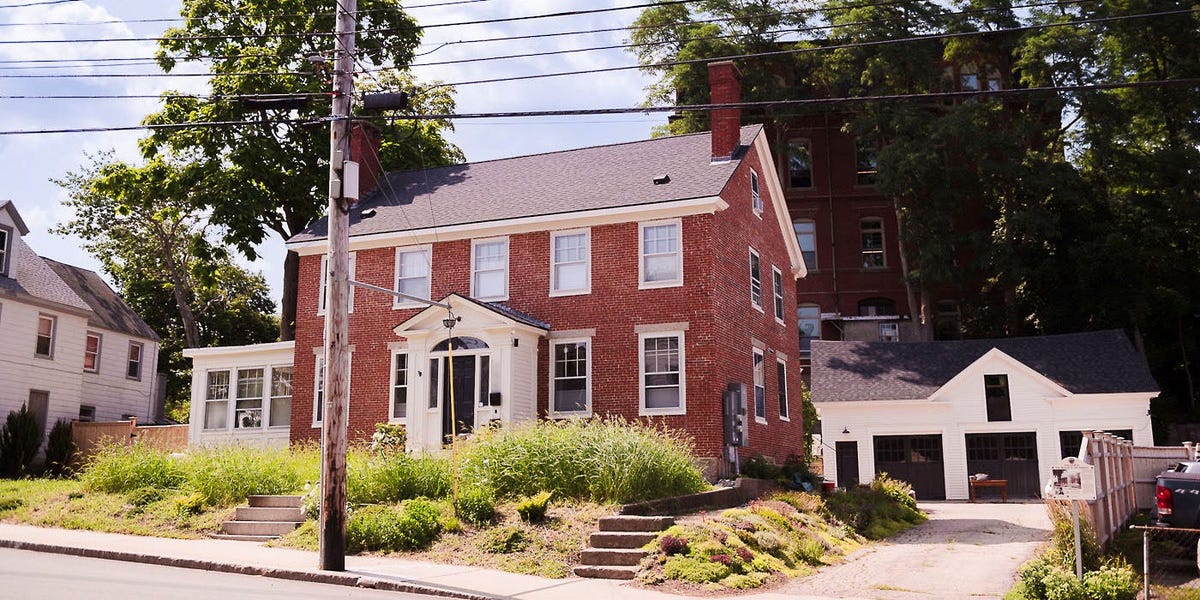
The 9-Year Rent Freeze: A Rare Strategy in a Hot Rental Market
A landlord and his wife bought a fixer-upper home nearly a decade ago and have not raised their tenant's rent since. They explicitly value the relationship with their tenant over incremental income. This anecdote, while personal, represents a structural outlier in the current rental market where annual rent increases have become standard practice. The couple's decision runs counter to the prevailing logic that landlords should maximize yield by pushing rents to market levels each lease cycle.
Why This Defies the Dominant Market Model
The naive read is that this is simply a feel-good story about kindness in real estate. The better market read examines the opportunity cost. Over nine years, U.S. rent has risen roughly 30% cumulatively according to broad CPI data, though the exact figure varies by metro. By not raising rent, the landlord forwent that compounding income. In exchange, they gained a stable, predictable tenant relationship with zero vacancy risk, no turnover costs, and no leasing friction. For an investor, this trade-off illustrates a key tension in real estate income investing: the push for higher yields versus the value of operational stability.
The Implications for Residential Real Estate Investors
This approach is rare among institutional landlords but more common among smaller, long-term holders. For investors tracking residential REITs or single-family rental stocks, the story highlights why tenant retention metrics matter. A portfolio with high turnover and constant rent bumps generates gross yield but also carries volatility in occupancy and renovation expense. Conversely, low-turnover portfolios sacrifice some upside potential but offer more predictable cash flows. Apple (AAPL), while primarily a technology company, holds substantial real estate for corporate uses and retail operations. The company's approach to managing its own property – focusing on long-term presence rather than short-term monetization – parallels this landlord's philosophy and reinforces the idea that stability can outweigh marginal yield gains in certain investment theses.
What Confirms or Weakens the Reasoning
The setup – prioritizing community over money – holds up best in tight labor markets with low housing supply. If the landlord faced a rent-controlled jurisdiction, the decision would be less remarkable. Without that constraint, the choice is a deliberate value judgment that has kept a single family housed for nearly a decade. The weakness is the lack of diversification: one tenant's non-payment or property damage could wipe out years of forgone rent. For a larger fund, this strategy is unworkable; for an individual with one property, it can work as long as the tenant delivers stability.
The Next Decision Point
This landlord's test will come at the next lease renewal or major capital expense. If a large repair bill arrives, they will have to decide whether to absorb cost or pass it through for the first time. That decision will signal whether the community-first approach can survive rising holding costs. For market observers, the broader takeaway is not about one landlord's choice but about the structural trade-off between yield maximization and operational simplicity – a trade-off every real estate investor must calibrate.
AlphaScala analysis.