Why Minimalist Travel Habits Signal a Shift in Consumer Spending
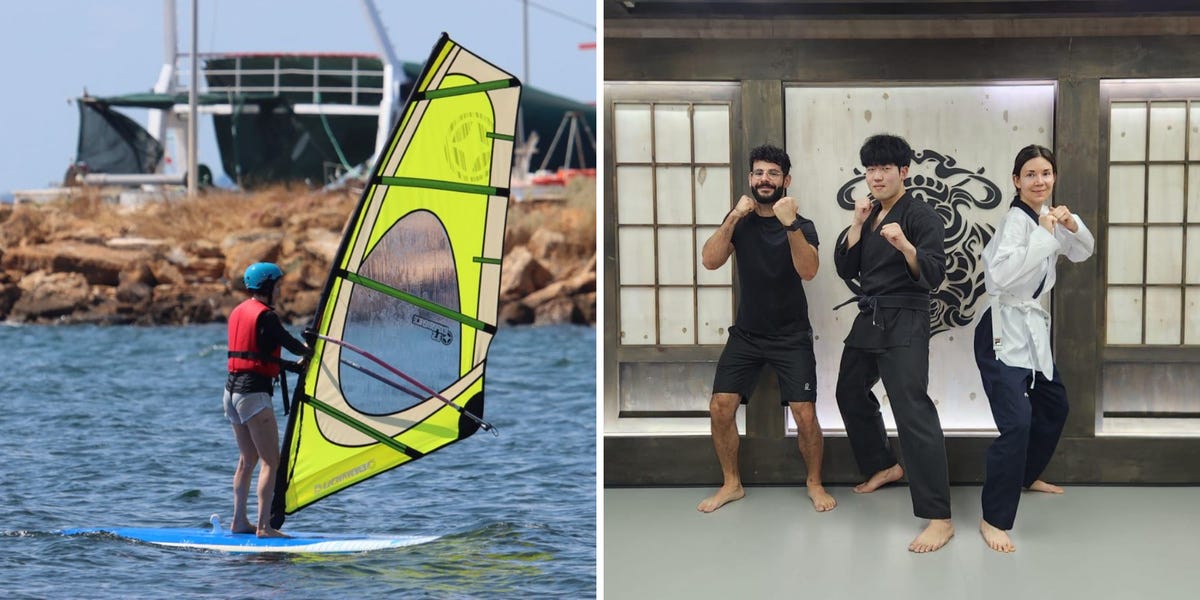
A minimalist traveler reveals how wearing the same outfit for all workouts signals a shift in consumer priorities toward versatility and affordability over brand loyalty.
A growing number of travelers are packing light and wearing the same outfit for multiple activities, according to a personal account published by Business Insider. The author, who lived out of a single backpack for months, said she uses one quick-dry shirt, a pair of shorts, and two sports bras for all her workouts. She wears the same trail running shoes for hiking, pickleball, and walking around cities.
This minimalist approach to exercise gear reflects a broader change in how consumers think about spending on apparel and equipment. The author noted that she no longer buys special clothes for yoga or gym sessions, and she avoids sports that require expensive gear like scuba diving or skiing. Instead, she rents or borrows equipment when needed–she has been handed a karate uniform in Seoul, climbing shoes in Hanoi, and a surfboard in Peru.
The implications for companies that sell athletic wear and equipment are mixed. Brands that rely on consumers buying multiple outfits for different activities could see demand shift toward versatile, multi-purpose items. The author’s wardrobe relies on a single quick-dry shirt and shorts, which suggests that durability and breathability matter more than style or brand loyalty.
Retailers focused on high-end, category-specific gear–such as Lululemon’s yoga pants or Nike’s running shoes–may face pressure as consumers prioritize simplicity. The author said she feels “self-conscious” about her clothes only until class starts, indicating that performance and comfort ultimately outweigh appearance.
On the other hand, companies that offer lightweight, packable, or rental-friendly equipment could benefit. The author’s willingness to borrow gear from friends or use accommodations that provide bikes and yoga mats points to a potential growth area for rental services and shared-economy models.
The author’s mindset was shaped by living in a rural village in Cameroon, where her only exercise options were running through the jungle and carrying water buckets. That experience taught her to work with what she has, she said. “I’ve realized that if I want to take care of my body in different environments, I have to be willing to work with whatever conditions I have.”
This philosophy may resonate with a broader audience of travelers and remote workers who are increasingly mobile. The author’s approach–packing a bandana for sun protection, sun gloves that double as cycling gloves–reflects a focus on multi-use items that save space and money.
For the apparel and equipment sectors, the takeaway is clear: consumers are increasingly valuing versatility over specialization. The author’s refusal to buy heavy hiking boots or expensive equipment for niche activities suggests that brands may need to emphasize cross-functionality or risk losing customers to a minimalist mindset.
The author summed up the trend: “Exercise should be easy and affordable. Wearing the same outfit for nearly every workout reminds me that I’m there to care for my body, not to impress anyone.”
Drafted by a large language model from the source reporting linked above, then screened by automated publishing checks. It is not read by a journalist before publication. Some articles cite our Alpha Score. Verify prices and figures against the original source. Educational coverage, not personalized advice.