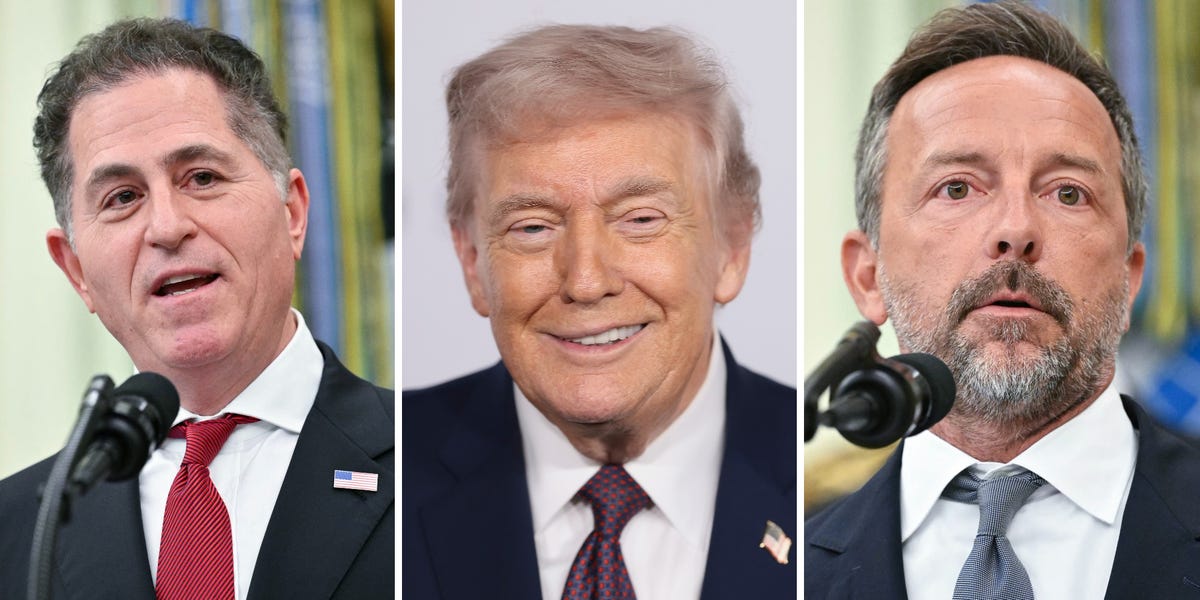
Michael Dell and Brad Gerstner pledged to fund Trump Accounts days after the program launched. The September enrollment report will test whether the program gains traction.
On July 4, the federal government launched the Trump Account program, a savings initiative for American children. Within days, Michael Dell and Brad Gerstner pledged to fund accounts, signaling early support from high-net-worth individuals.
The program deposits a set amount into a trust for each child at birth, with additional contributions allowed. The government seeded the accounts with an initial $1,000 per child, and private donors can add to them. The accounts grow tax-free until the child turns 18, at which point the funds can be used for education, a home purchase, or retirement savings.
The pledges from Dell and Gerstner signal credibility and could drive broader participation. If other wealthy individuals follow, the program's asset base could grow faster than official projections. The UK's Child Trust Fund, launched in 2005, saw similar early pledges from philanthropists, which helped boost enrollment. That program now holds over £10 billion in assets.
For asset managers, the Trump Account program opens a new channel for long-term inflows. Firms that win the contracts to manage these accounts will see steady fee income for decades. The pledges also reduce the risk of political reversal. Private capital is now tied to the program's success, making it harder for future administrations to dismantle.
The program also has implications for capital markets. The accounts are likely to be invested in a mix of equities and bonds, with a default option that leans conservative. That could create steady demand for Treasuries and investment-grade corporate bonds. Every $1 billion in new contributions translates into roughly $50 million in annual management fees for the industry.
The Trump Account program is a signature policy of the Trump administration. Its success could influence voter sentiment ahead of the midterm elections. For investors, the program's growth path matters because it affects the flow of funds into capital markets.
The September enrollment report will provide the first real test of the program's adoption. Dell and Gerstner have not disclosed the size of their pledges. If enrollment falls short, the program may struggle to attract additional private funding. Strong uptake could trigger a wave of new pledges from other billionaires.
Prepared with AlphaScala research tooling and grounded in primary market data: live prices, fundamentals, SEC filings, hedge-fund holdings, and insider activity. Each story is checked against AlphaScala publishing rules before release. Educational coverage, not personalized advice.