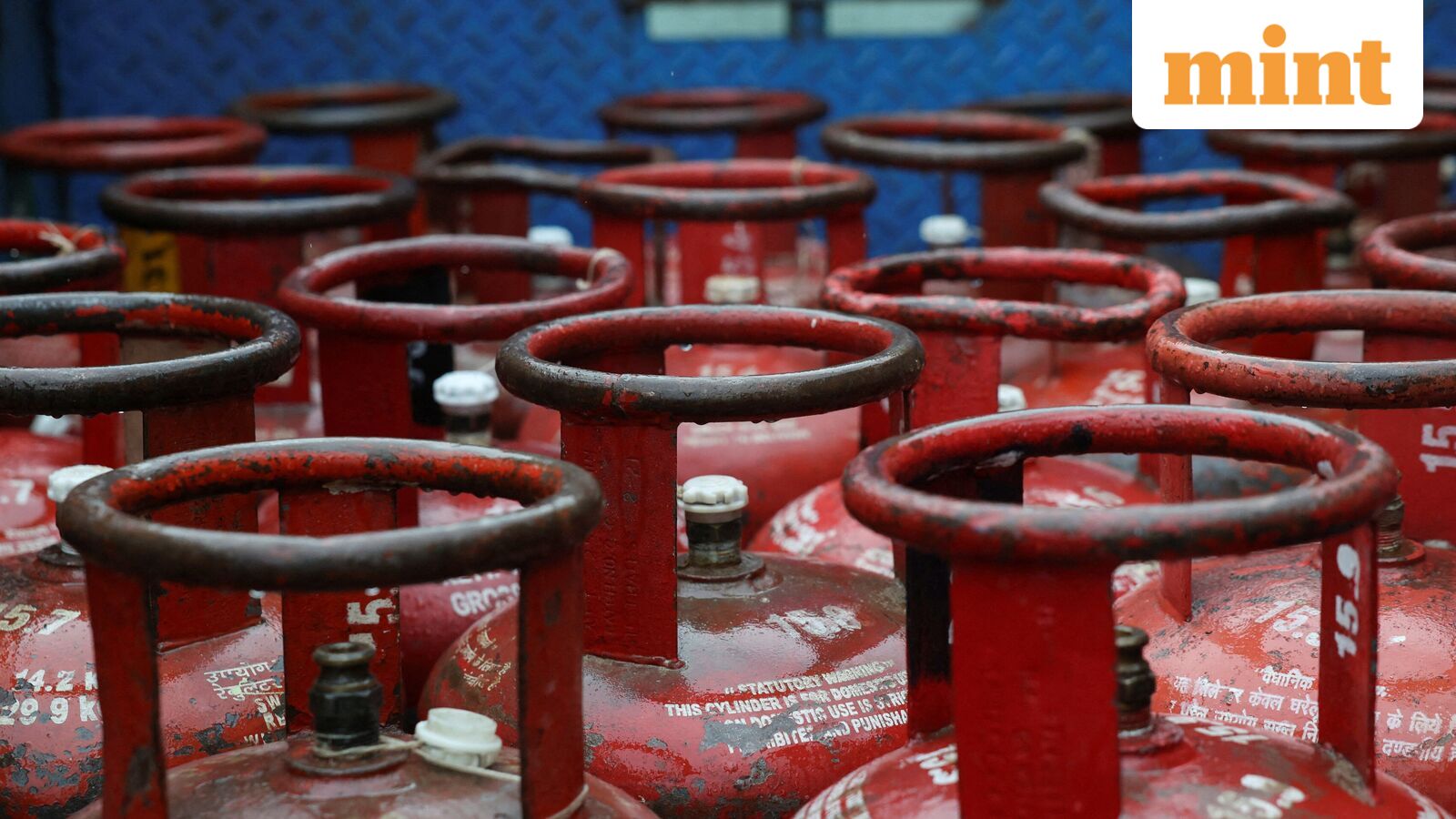
India's 14.2-kg domestic LPG cylinder price held at ₹ 913 in Delhi, ₹ 912.50 in Mumbai, ₹ 939 in Kolkata, and ₹ 928.50 in Chennai on May 31, even as petrol, diesel, and CNG costs surged over the previous ten days after the US-Iran conflict disrupted West Asian supply routes. The government is absorbing the global cost pressure rather than passing it through to household budgets.
The Supply Disruption That Changed the LPG Calculus
India sources 90% of its LPG supplies, 65% of its natural gas, and 40% of its crude imports from Gulf nations. The three-month West Asia conflict stopped a large portion of that flow. The government now says no dry-out reports have been filed at any LPG distributorship, though Sujata Sharma, joint secretary in the petroleum ministry, told reporters that "abnormal sale is being observed at many petrol pumps."
The 30-Day Strategic Reserve Expansion
Sharma also described the government's response: "We are working on the strategic reserves. Oil marketing companies have been asked to work out (a plan) to have LPG reserves for a minimum of 30 days with them, and they are working on it." State-run fuel retailers now need to expand LPG storage capacity to cover at least 30 days of demand.
Domestic Supply at Record Production
The government stated that refineries are operating at optimum levels, with LPG production at an all-time high of about 52,000 tonnes per day. Defence Minister Rajnath Singh urged the public on X to "avoid panic purchase of petrol, diesel and LPG as the government is pulling out all stops to ensure the availability of all essential items."
The Political Price Ceiling on Domestic Cylinders
Domestic cooking gas prices are a politically sensitive input because they directly affect household budgets. The government-owned oil marketing companies (OMCs) – Indian Oil Corporation (IOC), Hindustan Petroleum Corporation Limited (HPCL), and Bharat Petroleum Corporation Limited (BPCL) – are the dominant suppliers. Subsidy frameworks mean these OMCs often absorb global cost increases rather than pass them through to consumers.
The price freeze at May 31 levels does not reflect global supply costs. The normal monthly revision cycle – which weighs global crude prices, currency exchange rates, freight costs, and government subsidy policy – is being overridden for political stability.
The Commercial Price Surge as a Leading Indicator
19-kg commercial cylinder prices jumped by over ₹ 900 last month before stabilising. That is a massive increase. Commercial customers in hospitality, food service, and light manufacturing are already facing higher input costs. If global LPG prices stay elevated, this commercial price pressure will force those businesses to pass costs through to end consumers.
Why Commercial and Domestic Divergence Matters
The gap between commercial and domestic pricing is a mechanism that reveals the subsidy burden. When domestic prices are frozen and commercial prices move, the government is effectively deferring the cost to the subsidy budget and OMC cash flows. Traders should watch the international LPG spot benchmark for the real directional signal.
The Sector Read-Through for Energy Traders
For traders tracking the Indian energy sector, the LPG price freeze does not mean the supply-demand pressure has disappeared. The next monthly revision date is the concrete decision point. If domestic prices hold again, the government is taking the subsidy cost. If they move, the global supply disruption is finally penetrating the household price channel.
Peers Directly Affected
- IOC: The largest OMC. Margins compress when subsidies are required to maintain retail prices below replacement cost.
- HPCL: Similar exposure. Storage expansion costs add capital expenditure pressure.
- BPCL: Same subsidy dynamic, with additional exposure to the commercial segment's price sensitivity.
The storage expansion plan means these companies will increase capital outlays for LPG storage infrastructure. That reduces free cash flow in the near term. The trade-off is reduced supply disruption risk for the future.
Confirmation and Risk Factors
- Confirm the setup for OMC margins: Global crude and LPG prices ease, allowing the government to maintain the freeze without expanding the subsidy outlay. The all-time high domestic LPG production of 52,000 tonnes per day supports this scenario.
- Weaken the thesis: A further jump in global LPG prices forces a subsidy decision that widens the fiscal deficit or squeezes OMC cash flows. Panic buying at petrol pumps, already flagged by the ministry, would strain logistics even if total stocks are adequate.
- Risk to watch: The government explicitly warned against panic buying. If consumer behavior shifts to hoarding, the distribution system may not keep pace despite adequate total inventory.
What This Means for the Next Decision Point
The domestic 14.2-kg cylinder at ₹ 913 in Delhi is a political price, not a market price. The stability is temporary. The better market read is that subsidy costs are rising upstream and are being deferred, not eliminated. The next monthly revision – or an announcement on LPG price deregulation – is the first genuine catalyst for the sector. Until then, traders tracking IOC, HPCL, and BPCL should watch the international LPG spot benchmark for the real price signal of where India's household energy costs are heading.
For a broader look at how global supply disruptions affect energy pricing mechanisms, see the commodities analysis section and the Indian crude basket below $100/bbl: first time since March 6 article for context on the shifting cost structure India is managing.