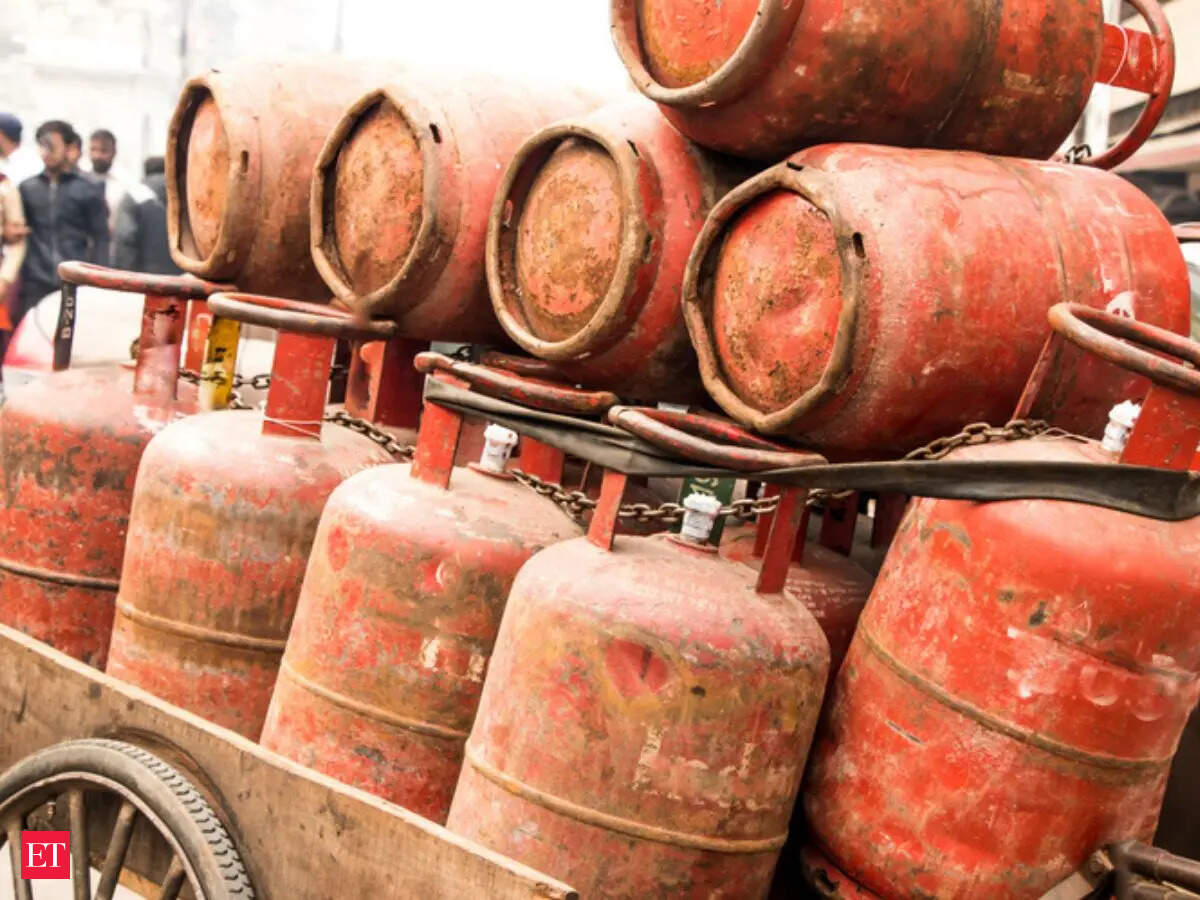
Higher LPG prices are driving efficiency measures in Indian kitchens. A drop in per-capita consumption may pressure oil marketing companies' margins. Watch monthly sales data and subsidy policy for confirmation.
LPG prices have climbed again in India, pushing each cylinder above the INR 1,000 mark in several states. The immediate consequence for households is a tighter monthly budget. The common kitchen tips circulating now – from thawing food before cooking to covering vessels – are not just frugal habits. They represent a real-time demand-side adjustment to a sustained price increase. When a large share of consumers starts using less LPG per meal, aggregate demand shifts, and that has implications for the oil marketing companies that supply the fuel.
The simple read is that these tips save money. The better market read is that they compress the volume growth that firms like Indian Oil Corporation, Bharat Petroleum, and Hindustan Petroleum rely on for their refining and marketing margins. The mechanism works through a basic chain: higher retail prices → consumer efficiency measures → lower per-capita consumption → reduced state-subsidized offtake → weaker earnings for upstream and downstream players.
India's domestic LPG consumption has grown at a compound annual rate of about 7% over the past decade, driven by PM Ujjwala Yojana connections and rising urban use. A structural slowdown in that trend would be a headwind for the refining and marketing margin of state-owned oil companies. The tips in circulation – soaking pulses, pressure cooking, batch cooking – each shave a measurable amount of gas usage per day. Over a billing cycle, the cumulative effect is non-trivial for a price-sensitive population.
A blocked burner that produces a yellow flame instead of a strong blue one wastes an estimated 10% to 15% of the gas consumed. When consumers clean burners regularly – as several household guides now recommend – that efficiency gain directly reduces the volume they purchase. For an oil marketer serving 50 million cylinders per year, a 1% drop in demand translates to a reduction of half a million cylinders. That is a real P&L impact when margins are already squeezed by high crude prices.
India's LPG market is partially subsidized. The government caps the retail price and reimburses oil marketing companies for the difference between the cost and the capped price. When household consumption falls, the subsidy burden drops – but so does the volume that generates marketing margins. The net effect depends on whether the government passes the savings to consumers or keeps the subsidy pool constant. In 2023, the government did not hike LPG prices despite rising crude, effectively widening the subsidy gap.
Key insight: A persistent efficiency-driven demand decline could prompt the government to deregulate LPG prices or reduce subsidies, passing the full market price to consumers. That would hurt household budgets but improve the working capital cycle of oil marketing companies. Traders should watch the LPG subsidy allocation in the Union Budget and any statements from the Petroleum Ministry on price deregulation.
The next concrete data point is monthly LPG sales figures published by the Petroleum Planning and Analysis Cell (PPAC). A year-over-year decline in domestic LPG sales for two consecutive months would confirm that the price-driven efficiency shift is real and durable. The July-September 2023 quarter will show the first complete period of elevated cylinder prices. If sales volumes miss consensus estimates, the Street will re-rate the marketing margin outlook for IOC, BPCL, and HPCL.
A secondary catalyst is the global LPG price benchmark – Saudi Aramco's CP (Contract Price). That determines the import cost for Indian refiners. Any decline in the CP would offset the demand slowdown by lowering the subsidy requirement. Traders should monitor both the domestic sales data and the monthly CP announcement.
The efficiency tips are behavioral. If consumers revert to old habits after a few months, the volume dip may be temporary. Additionally, the government could lower the LPG price ahead of state elections, reversing the incentive to save. These upside risks to demand mean the short-selling case is time-limited.
The next decision point is the October monthly sales release, expected in mid-November. If domestic LPG sales have dropped 2% or more year over year, expect analyst downgrades for the marketing segment. If volumes hold flat, the efficiency trend has not yet materialized at scale. Until then, the sector remains a show-me story.
Disclaimer: This story is for educational purposes only and does not constitute investment advice.
Prepared with AlphaScala editorial tooling from the source reporting linked above. Indexable analysis may include a cited Alpha Score value. Publishing checks screen each story before release. Educational coverage, not personalized advice.