The Deal: Vox Media Splits in Two
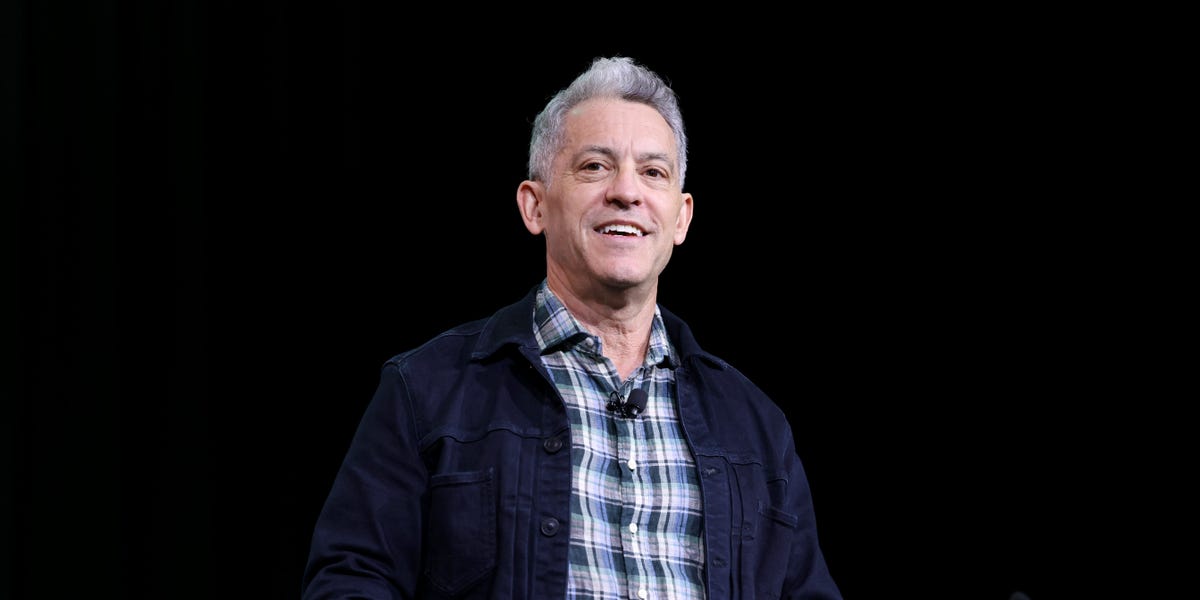
James Murdoch is acquiring a significant portion of Vox Media, including New York magazine and the Vox Media Podcast Network. The transaction splits Vox Media into two separate entities. Vox Media CEO Jim Bankoff confirmed the sale in a memo to staffers. The deal carves out the company's most recognizable editorial and audio assets under Murdoch's control.
Why This Matters Now
The sale represents a structural shift for a digital media company that spent years consolidating brands under one roof. Vox Media previously absorbed New York Magazine, The Verge, Eater, and SB Nation into a single operation. Splitting off the magazine and podcast network suggests a strategic retreat from the scale-at-all-costs model that defined digital media in the 2010s.
James Murdoch has been building a post-Fox media portfolio through his investment firm Lupa Systems. His acquisition of these assets signals a bet that premium journalism and podcasting can generate sustainable returns outside the ad-dependent digital media conglomerate structure. The deal also removes two of Vox Media's strongest brands from the parent company's balance sheet, which may simplify the remaining entity's path to profitability.
The Affected Assets: New York Magazine and the Podcast Network
New York magazine is the oldest and most prestigious brand in the deal. It operates the Intelligencer, The Cut, Vulture, and Grub Street verticals. The Vox Media Podcast Network includes shows like The Ezra Klein Show, Today Explained, and Pivot. These are among the most downloaded podcasts in the news and business categories.
For Murdoch, the podcast network provides a direct distribution channel that bypasses the algorithmic uncertainty of social media platforms. For Vox Media, shedding these assets reduces exposure to the volatile podcast advertising market, where CPMs have compressed as supply has exploded.
The Decision Point the Story Creates
The split creates two distinct investment narratives. The Murdoch-controlled entity will need to demonstrate that premium journalism and podcasting can grow without the cross-subsidies of a larger digital media group. The remaining Vox Media, holding The Verge, Eater, and SB Nation, will face pressure to show that niche vertical media can achieve standalone profitability.
Staffers at both entities now face organizational uncertainty. The memo from Jim Bankoff did not detail job impacts or leadership changes for the separated brands. The next concrete marker will be the closing of the transaction and any subsequent management announcements from Murdoch's team.
For anyone tracking the digital media landscape, this deal tests whether unbundling creates more value than the aggregation model that dominated the last decade. If Murdoch can grow the acquired assets faster than they performed inside Vox Media, other digital media companies may face similar carve-out pressure from activist investors or strategic buyers.
For related context on media and tech sector shifts, see our stock market analysis and the Source Mismatch: Podcast Scaling Advice vs Earnings Archetype.