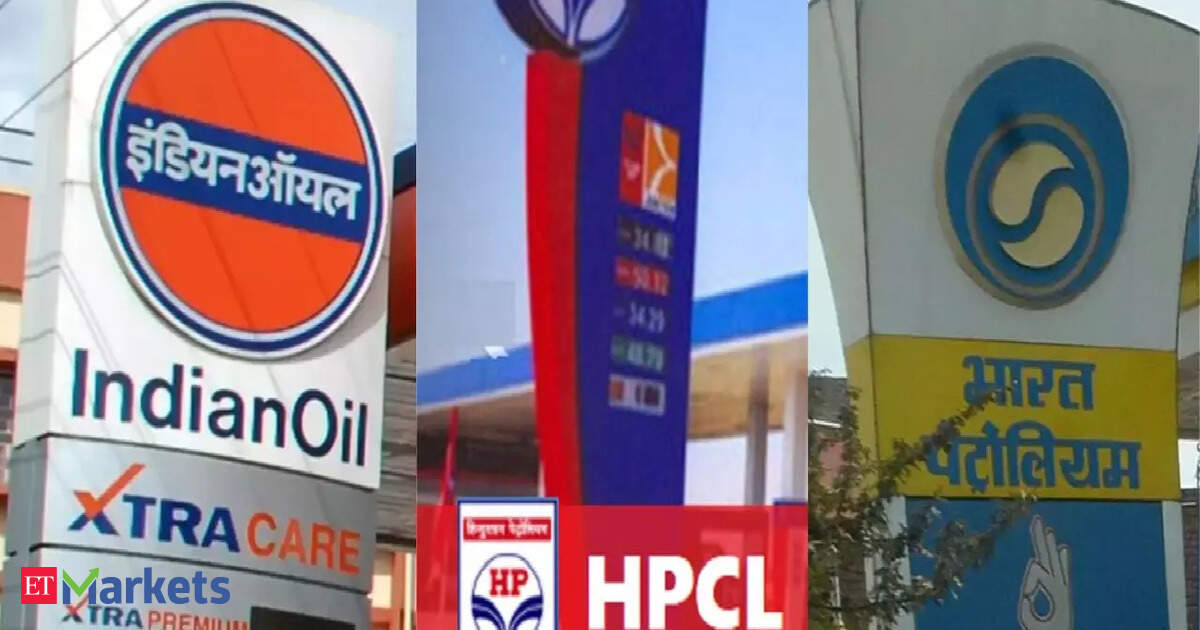
Indian OMCs rallied up to 4% as Brent crude hit a two-month low below $70. The crack-spread widened and volumes surged, but demand and OPEC+ policy remain the swing factors.
Shares of India's three state-run oil marketing companies jumped as much as 4% on Monday, extending gains from late last week. BPCL, HPCL and IOCL all rose after Brent crude benchmark hit a two-month low, easing the cost of their single biggest input.
Lower crude prices feed straight into refining margins. A typical Indian refiner pays market rates for crude, then sells diesel, gasoline and aviation fuel at prices linked to international benchmarks. When the input falls faster than the output, the spread widens. That spread – the crack spread – hit its widest point in three weeks on Friday, traders said.
The rally came on heavy volume. BPCL saw 1.8 times its 10-day average turnover in the first hour. IOCL traded at 2.1 times normal pace. HPCL posted similar activity.
crude oil profile – The drop in crude prices has been driven by fading geopolitical premium and rising US inventory data. A barrel of Brent fell below $70 for the first time since early April, before a small bounce on Monday afternoon. Analysts at Kotak Institutional Equities said in a note that the move improves the earnings outlook for OMCs by about 8-12% for the current fiscal year, assuming prices stay at current levels.
The read-through is straightforward for the sector. Lower crude means lower working capital for the refiners, which reduces interest costs. It also gives the government more room to keep retail fuel prices unchanged ahead of state elections, margins said. That removes a major overhang for the stocks, which had been pricing in potential subsidy risk after a jump in crude in March.
Not every factor is supportive. Domestic demand for diesel – the main profit driver for Indian refineries – has softened in April and May, according to preliminary data from the Petroleum Planning & Analysis Cell. A slowdown in industrial output and a wetter-than-normal monsoon could push consumption lower. Export margins for gasoline into Asia have also narrowed as new refining capacity in China and Kuwait comes online.
The bigger question is whether the crude downturn lasts. The next scheduled meeting of OPEC+ is June 1. If the group holds output steady, Brent has room to fall another $3-5 a barrel before finding support at $65, several commodity analysts said. A deeper cut, though unlikely, could reverse the entire move.
For now, the rally in OMCs looks like a position trade that depends on crude staying below $70 through mid-year. The crack-spread data and volume confirm institutional interest. The catalyst to watch is the OPEC+ decision on production targets for the third quarter.
Prepared with AlphaScala research tooling and grounded in primary market data: live prices, fundamentals, SEC filings, hedge-fund holdings, and insider activity. Each story is checked against AlphaScala publishing rules before release. Educational coverage, not personalized advice.