Why India's ₹29 LPG Hike Is Only a Partial Pass-Through
India's ₹29 LPG hike cuts OMC losses but leaves a ₹674-per-cylinder gap. The Saudi CP, up 46% since February, drives the next move. Watch the monthly benchmark.
Alpha Score of 49 reflects weak overall profile with moderate momentum, strong value, poor quality. Based on 3 of 4 signals — score is capped at 90 until remaining data ingests.
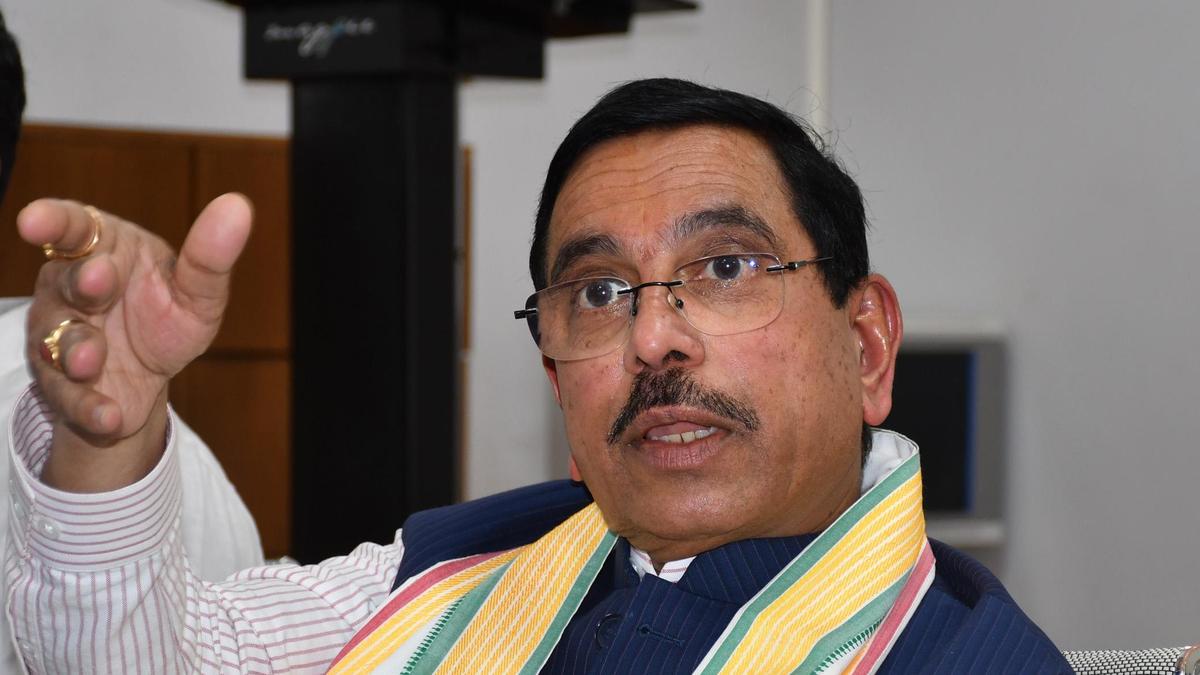
Union Minister Pralhad Joshi confirmed on Sunday that the latest ₹29-per-cylinder increase in domestic cooking gas (LPG) prices is “inevitable” given the global situation. This is the second hike in three months, following a ₹60-per-cylinder increase on March 7. State-owned fuel retailers were still absorbing losses estimated at about ₹703 per cylinder before this revision.
The minister’s framing is direct: “No transshipment is happening, and LPG is available from a very limited number of sources.” The government is procuring from countries far from India, driving up transportation, base, and insurance costs due to 40–45 days of transshipment.
The Saudi Contract Price Mechanism
India’s LPG import costs are linked to the Saudi Contract Price (CP), the global benchmark for the fuel. The government stated that the CP has risen about 46% since February after disruptions linked to the Strait of Hormuz tightened supplies from the Gulf region.
Practical rule: When the Saudi CP rises, Indian OMCs pass through the increase with a lag. The ₹29 hike reflects the CP move from the prior month, not the spot price today.
The cost of supplying a domestic LPG cylinder has risen to more than ₹1,600, according to the government. The retail price before the hike was lower than that, meaning OMCs were selling below cost.
How the Benchmark Flows to the Consumer
The Saudi CP is set monthly based on供需 dynamics in the Gulf. Indian OMCs–Indian Oil Corporation (IOC), Bharat Petroleum (BPCL), and Hindustan Petroleum (HPCL)–use it as the reference for their import contracts. A 46% rise in the CP since February means the landed cost of LPG has surged. The ₹29 hike reduces the under-recovery but does not close it.
Key insight: The ₹29 hike is a partial pass-through. If international prices stay elevated, another hike is likely within 2–3 months.
Who Bears the Cost: OMCs, Subsidies, and the Consumer
The price hike directly affects Indian households that use LPG for cooking. The government claims Indian households “continue to pay among the lowest prices” globally despite the surge. The mechanism of who absorbs the cost is more layered.
State-Owned OMC Losses
Before the latest revision, state-run OMCs were losing about ₹703 per cylinder. The ₹29 hike reduces that loss but does not eliminate it. The remaining gap is effectively a subsidy borne by the government or the OMCs’ own margins.
| Entity | Pre-Hike Loss per Cylinder | Post-Hike Loss per Cylinder (Est.) | Key Metric to Watch |
|---|---|---|---|
| IOC | ₹703 | ₹674 | Per-cylinder under-recovery vs. retail price |
| BPCL | ₹703 | ₹674 | Per-cylinder under-recovery vs. retail price |
| HPCL | ₹703 | ₹674 | Per-cylinder under-recovery vs. retail price |
The Subsidy Question
The government has not announced a new subsidy scheme for LPG. The Ujjwala scheme provides free connections but not free refills. Households that are not Ujjwala beneficiaries pay the full market price. The minister’s statement that the government is “trying to enhance procurement resources” suggests the fiscal burden is being managed through procurement logistics, not direct subsidies.
Sector Read-Through: OMCs, Shipping, and Insurance
The LPG price hike has implications beyond the consumer. Three sectors are directly affected.
Oil Marketing Companies (OMCs)
IOC, BPCL, and HPCL are the primary sellers of LPG. The ₹29 hike improves their margins on LPG sales but does not fully cover the ₹703-per-cylinder loss. The read-through is:
- Positive: Reduced under-recovery on LPG improves consolidated earnings.
- Negative: If international prices continue rising, the gap widens again.
- Neutral: LPG is a small portion of OMC revenue compared to petrol and diesel.
Shipping and Logistics
The minister cited 40–45 days of transshipment and higher insurance costs. This affects shipping companies that transport LPG, particularly those with exposure to the Strait of Hormuz route. Longer voyage times reduce effective fleet capacity, which supports freight rates.
Insurance
Higher insurance costs for transshipment through conflict zones benefit general insurers with marine cargo exposure. The quantum is small relative to overall premiums.
What Confirms or Weakens the Thesis
Confirming Factors
- Saudi CP continues rising: If the benchmark rises another 10%+, expect a third hike within 60 days.
- Strait of Hormuz disruptions persist: Any escalation in the West Asia conflict extends the supply squeeze.
- OMC losses widen: If the under-recovery per cylinder exceeds ₹800, the government will have to act.
Weakening Factors
- Diplomatic resolution in West Asia: A ceasefire or de-escalation would reduce the risk premium on LPG shipments.
- Alternate supply sources come online: Increased LPG exports from the US or Australia could ease the CP benchmark.
- Government absorbs the cost via subsidy: A new subsidy program would cap the retail price but increase the fiscal deficit.
The Next Decision Point for Traders
For traders tracking Indian energy stocks, the next catalyst is the monthly Saudi CP announcement, typically in the first week of each month. A further rise would confirm the trend and likely trigger another OMC price hike.
Checklist for the Next 30 Days
- Track the Saudi CP for the next monthly settlement.
- Monitor Strait of Hormuz transit volumes via tanker tracking data.
- Watch for any government statement on LPG subsidy expansion.
- Check OMC quarterly results for LPG segment margin disclosure.
The Political Layer: Karnataka and the Minister’s Comments
Minister Joshi also used the press conference to attack the Congress government in Karnataka, alleging “corruption, nepotism, and factionalism.” He pointed to a recent ministerial resignation and public expressions of displeasure within the ruling party. This political context matters because LPG price hikes are politically sensitive in India, especially in states with upcoming elections. The Karnataka angle suggests the central government is trying to shift blame to state-level governance issues.
Risk to watch: If LPG prices rise again before state elections, the political backlash could force the central government to announce a subsidy or price freeze, which would change the OMC margin outlook.
The ₹29 LPG hike is a partial pass-through of a 46% rise in the Saudi CP since February. OMCs still face under-recoveries. The next hike depends on the CP trajectory and the West Asia conflict. Traders should watch the monthly Saudi CP announcement and any government subsidy announcements as the next concrete catalysts.
For a broader view of how global energy disruptions affect Indian markets, see our stock market analysis.
Drafted by a large language model from the source reporting linked above, then screened by automated publishing checks. It is not read by a journalist before publication. Some articles cite our Alpha Score. Verify prices and figures against the original source. Educational coverage, not personalized advice.