Why India's 2.1% Inflation Feels Like 7.1% to Consumers
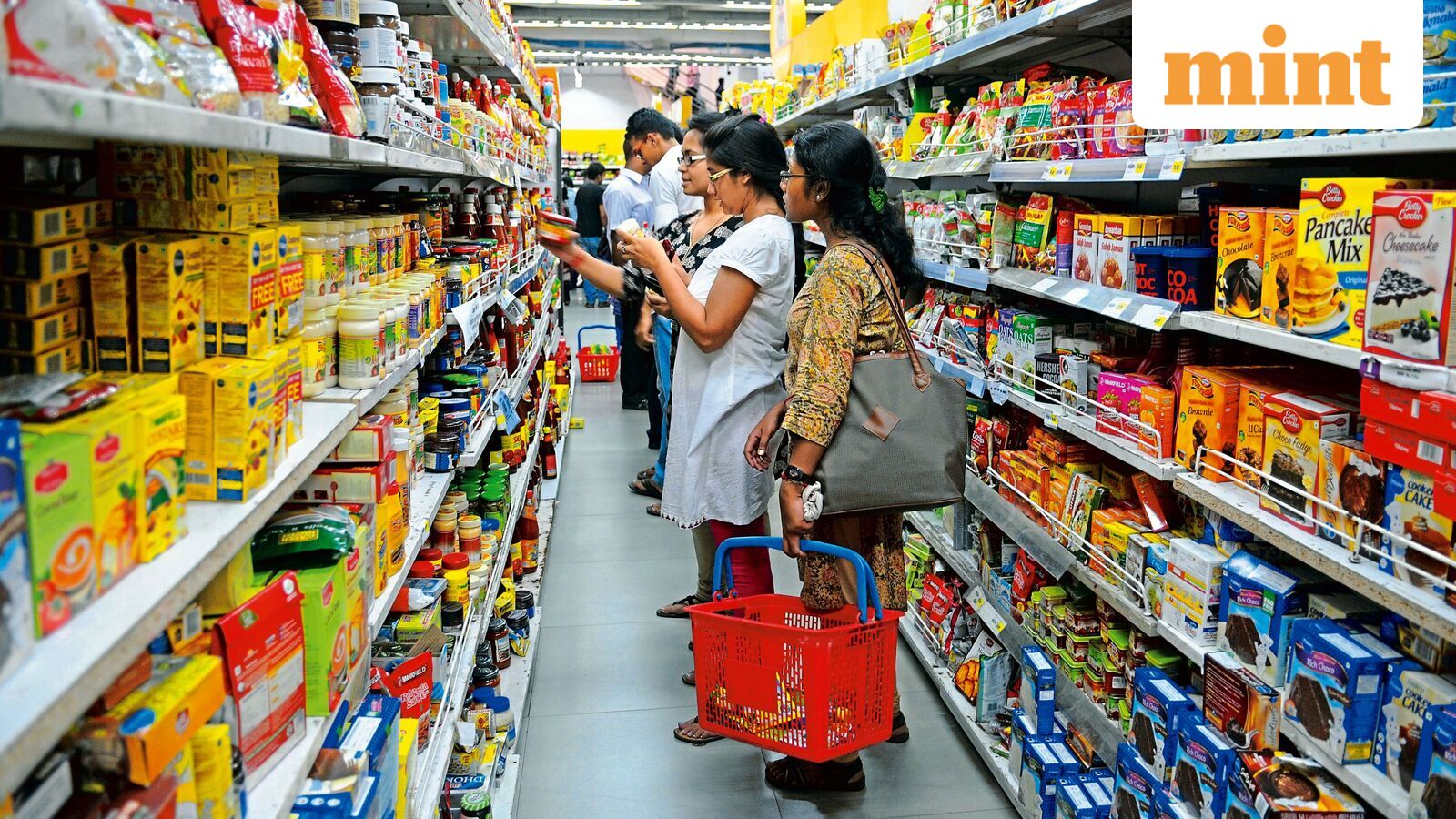
Bank of Baroda economist hits back at doves who strip food and fuel from India's CPI to make the rate-cut case. Consumers see 7.7%, official Q1 print 3.9%.
Alpha Score of 50 reflects moderate overall profile with strong momentum, poor value, moderate quality. Based on 3 of 4 signals — score is capped at 90 until remaining data ingests.
Bank of Baroda chief economist Madan Sabnavis dismissed the doves' case for cutting Indian interest rates on the strength of stripped-down inflation measures. Writing in Mint, he called the argument for setting aside price rises concentrated in a handful of categories "disingenuous."
Over the 2025-26 fiscal year, the consumer price index (CPI) averaged 2.1%. The Reserve Bank of India's inflation perception survey put perceived inflation at 7.1% for the same period. In the first quarter of the current fiscal year, official inflation averaged 3.9% and perceived inflation ran at 7.7%. The gap between the two readings was five percentage points last year and 3.8 points in the first quarter.
The index is designed to gauge inflation for consumers, which is why Sabnavis leans on the RBI's perception survey. He concedes the perception data carries its own bias: households notice the items they buy most. His starting point is more basic. Inflation of 2% still means prices are rising, just more slowly than a year earlier. Across-the-board price declines would dull the incentive to produce goods and services, he notes. The interpretive trouble starts when the data gets sorted into categories that flatter the reader's preferred conclusion. Sabnavis allows that some of the doves' arguments are strong on their own terms. His objection is practical. The index measures what consumers pay, and the perception survey puts the lived number far higher.
Doves rest their case on a set of exclusions. Core inflation strips out food and fuel. A newer measure, 'core-core', also removes gold. The same selectivity never appears in reverse, Sabnavis writes. When pulses or vegetables fall sharply and cool the headline number, the same voices do not argue that the low print should be discounted. Higher food prices usually trace to a supply shortfall or a government hike in minimum support prices. Fuel inflation reflects what retailers charge after an oil squeeze. Healthcare inflation is attributed to what overloaded hospitals can charge. Personal products get costlier when input scarcities raise companies' costs. Every category carries its own supply story. Concentrated inflation is therefore normal, Sabnavis argues. Excluding the uncomfortable categories does not make the rest of the basket more reliable.
The Selectively Cited Base Effect
Base-effect reasoning draws the same objection. Analysts have cited last year's low base of 2.1% as a reason not to treat this year's inflation as a burden. Few of those voices credited the prior year's 4.6% rate when inflation printed at 2.1%, Sabnavis writes. During the 2022-23 spike to 6.7%, doves blamed the base effect and food prices for the upshoot. They introduced month-on-month "momentum" to show that underlying inflation was tame. The conclusion usually drawn from that reading is that rates can come down.
Rates matter to this argument because of the monetary policy transmission mechanism. When the RBI lowers rates, borrowing rises and output expands. If capacity utilisation is already stretched, the added demand shows up in prices. Sabnavis argues that genuine demand-pull inflation is rare, because producers plan output against sales projections that grow steadily. Semiconductors were an exception; demand there surged suddenly.
He does not pretend the basket is easy to read. High tur daal output can drive prices down. A localised tomato crop failure does the opposite. Perishability is one of several factors that set the two price paths apart. Toothpaste input costs can rise and paint prices can hold steady in the same month. The only workable approach, he argues, is to track a weighted basket of goods without dropping the supply-hit items.
Shrinkflation and the 19% Deposit Erosion
Companies have told investors that higher food bills are squeezing discretionary spending, especially in urban areas. The presentations frame the trade-off plainly: food inflation leaves less money for everything else. Several companies have cut package sizes to defend price points, the practice known as shrinkflation. The complaint has run through consumer-facing firms since the Russia-Ukraine war began in 2022.
Depositors face a quieter version of the same erosion. Senior citizens hold nearly half of India's bank term deposits and consume out of the interest payments. What erodes their money is cumulative inflation across the deposit's tenure, not the latest monthly print. Over the four post-covid years, cumulative inflation reached almost 19%. Sabnavis writes that this erosion helps explain why so many companies lament weak demand. The RBI's regulatory target is headline retail inflation, not a stripped-down measure. AlphaScala's market analysis tracks how the inflation debate moves rate expectations on Indian bonds and the rupee.
Sabnavis accepts that the arguments for ignoring the headline may sound coherent.
"They do not constitute a logical justification for a shift in the country's policy approach," he wrote.
Drafted by a large language model from the source reporting linked above, then screened by automated publishing checks. It is not read by a journalist before publication. Some articles cite our Alpha Score. Verify prices and figures against the original source. Educational coverage, not personalized advice.