Stocks● Neutral
Why home robots are starting with your laundry pile
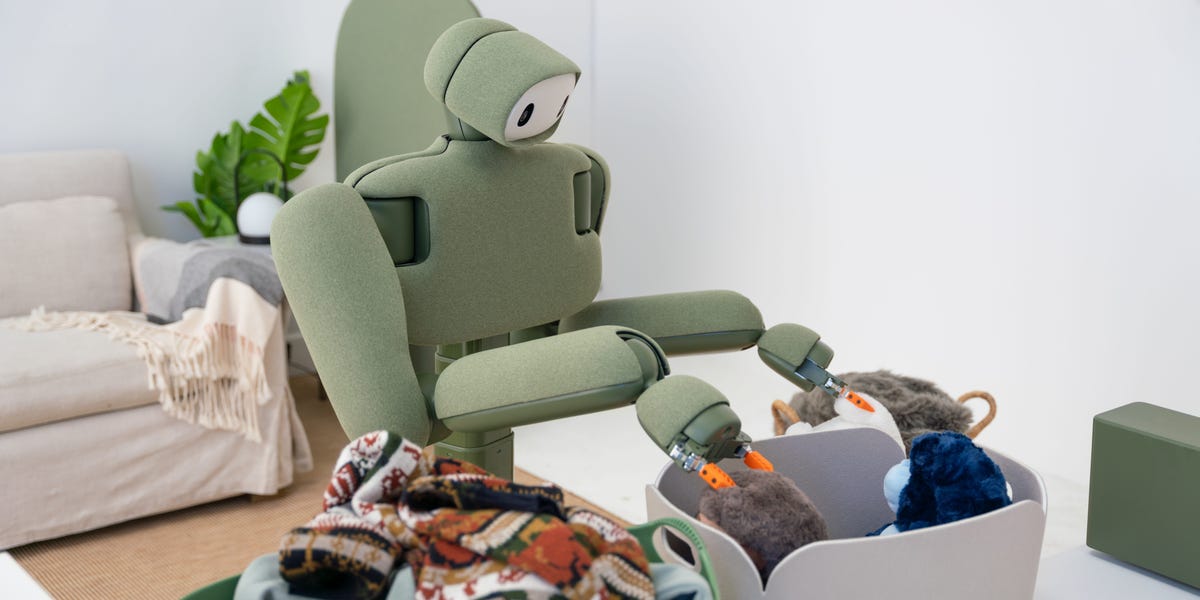
Figure AI, Sunday Robotics and Weave Robotics have raised billions to build robots that fold laundry. Roboticists say the task is a proving ground for home robots — and the economics are the hard part.
Continue with
Before a robot can vacuum your living room, it has to fold your socks. That is the bet behind a cluster of well-funded robotics startups that have raised billions of dollars to solve a problem roboticists have chased for decades.
Figure AI, Sunday Robotics, and Weave Robotics have all shown off machines that can pick up a crumpled T-shirt, identify the sleeves, and fold it into a neat rectangle. The task is a proving ground for the broader promise of home robots, investors and engineers say. If a machine can handle laundry, it can probably handle most other household chores.
"This is one of the most challenging dexterous manipulation tasks for a humanoid robot," Figure wrote in a blog post last year.
Roboticists describe laundry as a "holy grail" because clothes are deformable objects – they bunch, fold, and wrinkle in ways a rigid gripper cannot predict. A robot must learn to handle fabric with enough precision to fold it well, but without damaging it. The difficulty showcases a machine's intelligence and physical control, said Ayanna Howard, a roboticist and president of Spelman College.
Yet when a robot fails, the stakes are low. "If you drop a piece of clothing, it's not going to break," Howard said.
Sunday CEO Tony Zhao told Business Insider that the company chose laundry partly because it "looks for hard things to do."
The robotics industry has been through laundry hype cycles before. Laundroid, a Japanese company behind a $16,000 laundry-folding robot, filed for bankruptcy in 2019. FoldiMate made repeated appearances at the Consumer Electronics Show in the late 2010s but never shipped a product. High costs and poor reliability undid those earlier efforts.
Today's startups say advances in artificial intelligence, cheaper hardware, and a flood of talent and capital into physical AI will make this generation different – and capable of doing far more than folding clothes.
"For the longest time, the technology just wasn't there," Weave Robotics CEO Kaan Dogrusoz told Business Insider. "But then, everything changed."
That claim is about to be tested outside the lab. The latest robots are expensive, and their reliability in real homes remains unknown because few have been deployed. Sunday plans to place its robot in homes through a beta program this fall. Weave and 1X expect to begin delivering robots to customers later this year.
Why laundry, not the living room
Robotics companies are starting with laundry because it is a bounded task inside the home – a notoriously difficult environment for robots. Most machines operate in controlled settings such as factories and warehouses, where their surroundings and movements can be tightly defined. They are often separated from people for safety.