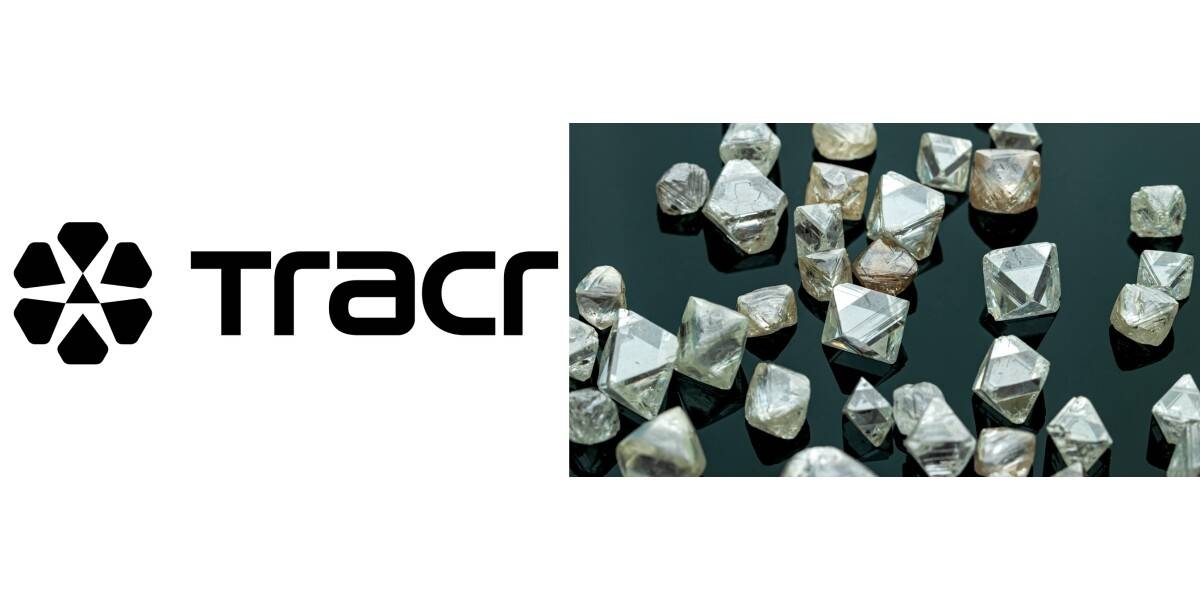
GIA's 30% Stake in Tracr: A Provenance Infrastructure Play
The Gemological Institute of America (GIA) is acquiring a 30% shareholding in Tracr, the diamond provenance blockchain platform backed by De Beers Group. The deal, announced at the JCK Las Vegas show, moves Tracr toward independence from its founding parent and embeds the world's most authoritative diamond grader as a strategic owner.
For a trader or analyst tracking the diamond value chain, this is not a routine equity investment. It is a structural shift in how provenance data flows from mine to retail, and it changes the competitive dynamics for every participant in the pipeline.
The Simple Read: GIA Endorses Blockchain Provenance
The surface-level take is straightforward. GIA, the nonprofit that invented the 4Cs and the International Diamond Grading System, is putting capital and institutional credibility behind a specific blockchain platform. That endorsement signals that Tracr's approach to registering diamonds at the point of recovery and tracking them through polishing and retail has passed the industry's most rigorous quality gate.
GIA had already been collaborating with Tracr since 2023, including provenance information from the platform on eligible GIA diamond grading reports. The equity stake converts a pilot partnership into a permanent infrastructure commitment.
The Better Read: Why Ownership Structure Matters for Data Integrity
The deeper mechanism is about platform independence and data trust. Tracr was developed by De Beers starting in 2018. Even with the best intentions, a provenance platform owned by a single major producer carries an inherent credibility gap. Competing miners, polishers, and retailers must trust that the data is not being used to advantage De Beers' own rough diamond sales.
GIA's 30% stake changes that calculus. GIA's brand equity rests entirely on independent, unbiased grading. The Institute has no interest in favoring one producer over another. Its ownership gives Tracr a governance structure that other industry participants can trust. Jillian Wolk, CEO of Tracr, described the deal as "the start of Tracr's evolution into an independent platform."
Practical rule: A provenance platform is only as valuable as the trust it commands across the entire value chain. GIA's stake converts Tracr from a De Beers project into an industry utility.
How the Provenance Mechanism Works
Tracr registers diamonds at the source – the point of recovery from the mine. Each stone receives a digital identity on a distributed ledger that records its origin, weight, and key characteristics. As the diamond moves through cutting, polishing, grading, and retail, each step adds a verifiable record.
The critical feature is that provenance starts at the mine, not at the polisher or grader. This "rough-to-polish" chain is what distinguishes Tracr from systems that only track polished stones. A polished diamond can be traced back to a specific recovery event, not just to a country of origin.
The Data Flow: From Mine to GIA Report
When a diamond registered on Tracr arrives at GIA for grading, the provenance information from the platform is included on the grading report. This gives the consumer a document that combines GIA's quality assessment with a verified chain of custody from the source.
Pritesh Patel, President and CEO of GIA, described the combination as "source-based blockchain provenance with GIA's independent grading and identification expertise" that can "unlock a new level of transparency for the diamond industry."
The Scale Challenge
Tracr's value depends on adoption. A provenance platform with only De Beers' production is useful but limited. The platform opened to the wider industry in 2023, and Wolk's stated priority is "bringing more producers on board." Each new producer adds diamonds to the registry, increasing the platform's utility for retailers and consumers who want verified provenance.
The GIA stake accelerates this network effect. Producers who were hesitant to join a De Beers-owned platform now have a governance structure with an independent, trusted third party as a significant shareholder.
What This Changes for the Diamond Value Chain
The diamond industry faces structural pressure from lab-grown diamonds, which have eroded pricing power in the lower end of the market. Natural diamond producers are responding by emphasizing provenance, rarity, and the story behind each stone. Tracr is the infrastructure for that strategy.
For Producers: A Standard to Meet
Miners who want to participate in the provenance ecosystem must register their production on Tracr at the point of recovery. This requires operational changes – integrating the platform's data capture into existing mine-site systems. The payoff is access to a verified provenance record that can command a premium at retail.
For Retailers: A Differentiation Tool
Jewelers selling natural diamonds can use Tracr's provenance data to differentiate their inventory from lab-grown stones. A diamond with a verified mine-to-retail chain of custody carries a narrative that a lab-grown stone cannot replicate. Wolk described this as enabling "the individual journey of every registered diamond to come to life."
For Consumers: Verifiable Trust
The end consumer gets a grading report that includes not just the 4Cs but a verified record of where the diamond came from and how it traveled to the store. This addresses growing demand for ethical sourcing and transparency, particularly among younger buyers.
Confirming and Invalidating Factors
What Would Confirm the Thesis
- New producer additions: If major non-De Beers producers (Alrosa, Rio Tinto, Dominion Diamond Mines) announce plans to register production on Tracr, the platform's industry-wide adoption thesis is confirmed.
- Retail adoption: If major jewelry chains begin marketing Tracr-verified diamonds as a distinct product category, the demand-side pull becomes visible.
- GIA report integration: If GIA expands the provenance data included on grading reports beyond the current scope, the partnership deepens.
What Would Weaken the Thesis
- Competing platforms: If a rival provenance system (from a consortium of producers or a technology company) gains traction, Tracr's first-mover advantage erodes.
- Producer resistance: If major miners decline to join, citing governance concerns or cost, the platform remains a De Beers-GIA silo.
- Consumer indifference: If provenance data does not move purchasing decisions, the investment thesis for the entire ecosystem weakens.
The Next Decision Point
The immediate catalyst is the closing of the transaction and the subsequent onboarding of new producers. Wolk's public commitment to scaling the platform and bringing more producers on board sets a measurable target. Traders and analysts should track announcements of new producer registrations over the next 12 months.
The longer-term marker is retail adoption. If provenance-verified diamonds begin to command a measurable price premium over unverified natural diamonds, the economic case for Tracr participation becomes self-reinforcing. If no premium materializes, the platform's value proposition rests entirely on compliance and risk management – a thinner foundation.
For a broader view of how commodity supply chains are being reshaped by technology and verification requirements, see the commodities analysis section. The diamond provenance play is one example of a larger trend toward traceability as a competitive differentiator in natural resource markets.
GIA's 30% stake in Tracr is not a bet on a single company. It is a bet that provenance data will become a standard feature of the diamond market, and that the platform with the most credible governance structure will win. The deal gives Tracr that credibility. The rest depends on execution.