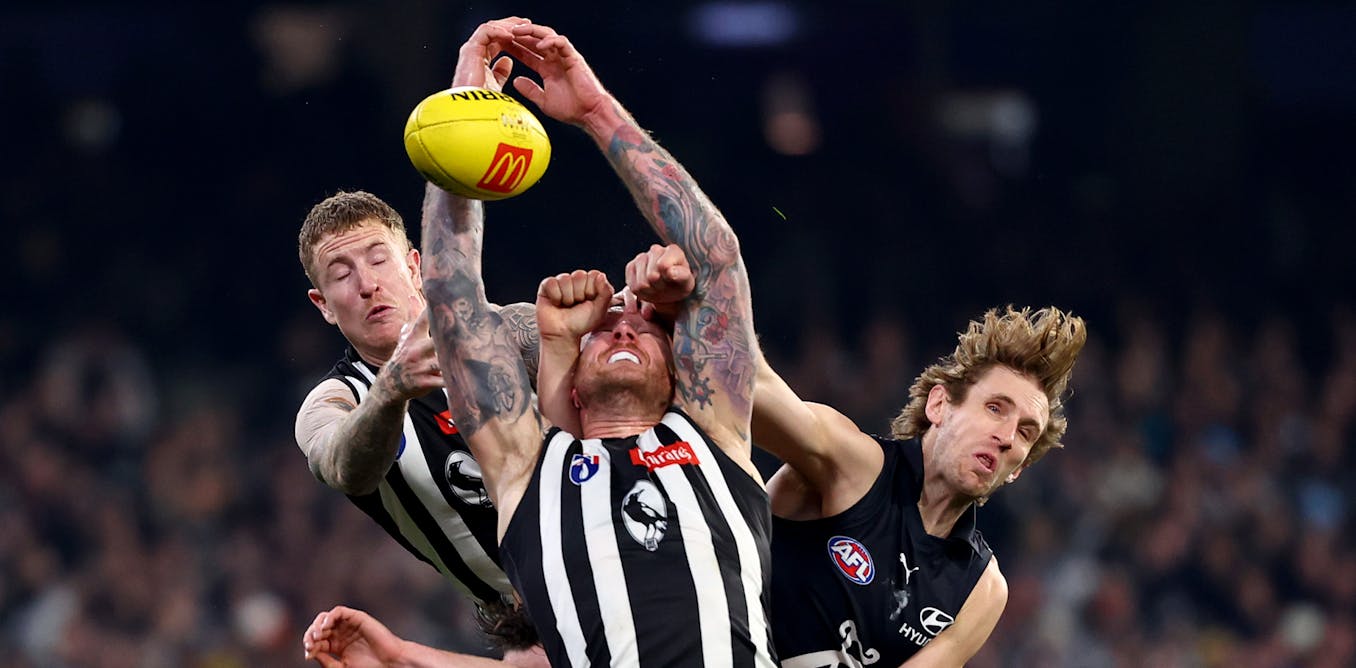
The AFL is holding entry-level finals tickets at A$35 for an 11th straight season. Other categories are rising 2–4%. Grand Final tickets will cost $172 for the cheapest seat, up from $165, and the most expensive seats hit $536, up from $515. The league leaves money on the table by design.
Andrew Dillon, the AFL chief executive, tied the freeze to cost-of-living pressures and keeping the game affordable. He said the league was investing in fans over the long run.
The decision runs counter to the dynamic pricing that concert promoters routinely use. A 1986 study by psychologists Daniel Kahneman and economists Jack L. Knetsch and Richard Thaler found that 82% of respondents called a hardware store's price hike from $15 to $20 after a snowstorm unfair. Perceived unfairness costs businesses repeat customers and goodwill.
Concert promoters face similar calculations. American band Green Day faced a backlash in Australia when dynamic pricing pushed some tickets for their 2025 tour to nearly $500. British rockers Oasis opted out of dynamic pricing for their 2025 Australian shows. Each approach involves a trade-off: extra revenue now against goodwill later.
Cheap tickets do come with a cost. They leave more value with the fans. They also make tickets harder to get. A scalper can buy a $35 ticket and resell it for much more. Victoria caps the resale of Grand Final tickets at 10% above face value. Other finals lack that protection.
When price does not ration scarce seats, queues, membership priority, and luck have to do more of the work. The AFL gains from a full stadium. Crowds generate the atmosphere that makes live sport attractive to television audiences and, in turn, valuable to broadcasters and sponsors.
A fan who buys a $35 ticket today may spend thousands over decades on memberships and merchandise. The league also benefits from broadcast revenue driven by high ratings. The freeze helps recruit the next generation of supporters. Keeping tickets affordable, and occasionally letting kids in free, builds a pipeline of future spending.
Dynamic pricing is legal in Australia today. Businesses can raise prices, provided they are upfront about what consumers will pay. From July 2027, new laws will require clearer pricing information and ban hidden fees added late in the purchase process. The reforms do not ban dynamic pricing outright. They shift the transparency rules.
The AFL's model relies on upfront fixed prices and a long horizon. Dillon said the league is still making a profit. That profit comes from many of its better seats. The freeze is an investment over a longer horizon than a single September.