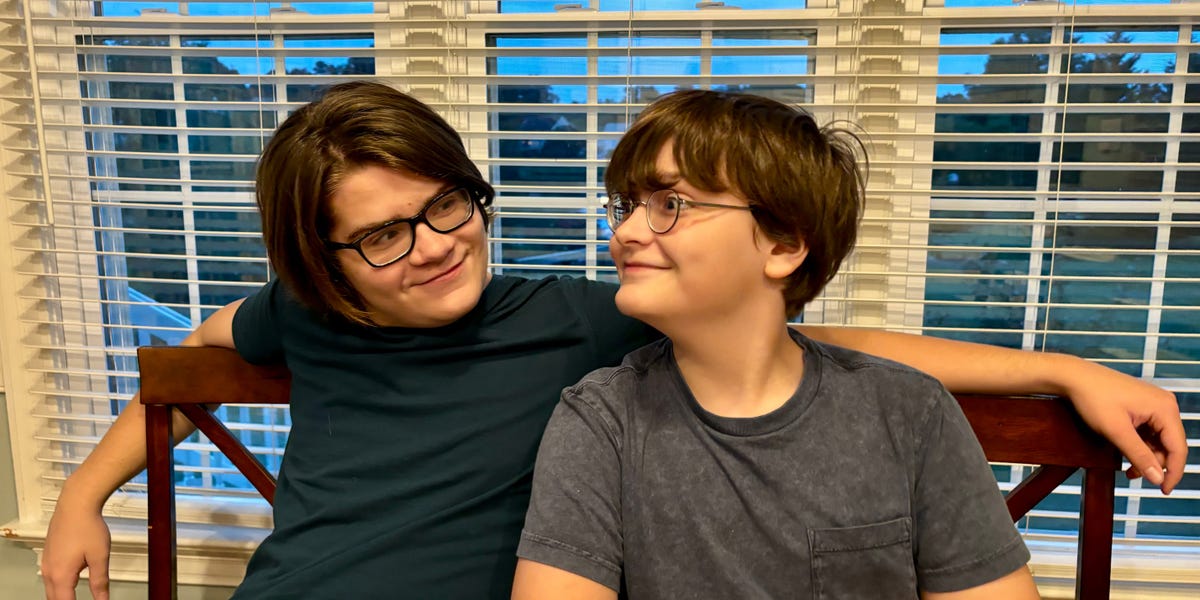
I have always insisted on family dinners. As my kids get older and our schedules get more packed, this meal is sometimes the only time we have together. The ritual started out of necessity when my sons were in high chairs. It has survived through homework, sports, and now the chaos of teenage jobs and social lives.
The Necessity That Became a Habit
From the time my sons were old enough to eat mashed sweet potatoes, our family of four ate dinner together. That meant a 5:30 p.m. start, one parent cooking while the other kept the kids occupied. The rule was simple: no phones, no TV, just us.
The habit stuck because it was the one block of the day where everyone was in the same room. Some nights involved tears over broccoli or a toddler refusing to sit still. We kept at it anyway.
A Predictable Anchor for Unpredictable Days
Consistency is the mechanism that makes shared dinners work. Research from the National Center on Addiction and Substance Abuse at Columbia University found that teens eating family dinners five or more times a week are less likely to smoke, drink, or use drugs. They also tend to have better academic performance and stronger mental health.
The academic research only captures part of the effect. The real value is the repetition -- the accumulated trust that builds when you show up night after night, even when you are tired. Kids know that no matter what chaos the day brings, there is a fixed point where the family gathers. That predictability creates a sense of security that is hard to replicate through any other routine.
Practical Mechanics: What Actually Works
Our approach is practical, not idealistic. We do not aim for gourmet meals or deep conversations every night. Some dinners last 15 minutes. Some involve takeout. The point is showing up.
- No phones at the table. This is non-negotiable. Everyone places devices in a basket by the door.
- Everyone helps. One person cooks, another sets the table, another clears. The work is shared.
- Keep it short. We do not force conversation. Sometimes we sit in comfortable silence. Sometimes we laugh until we cry.
The Dynamic Shifts as Kids Age
Now that my sons are teenagers, the dynamic has shifted. They have jobs, sports, and social lives. Dinner is no longer automatic. We coordinate calendars and sometimes push the meal to 7:30 or 8 p.m.
We still do it. When one of them says, "I have a game tonight, can we eat at 5?" we adjust. The flexibility is part of the commitment, not a sign that the ritual is failing.
What This Means for Other Families
Every family is different. What works for us may not work for you. The core insight applies broadly: shared meals create shared time. In a world where everyone is busy, that time is scarce.
If you are a parent struggling to make dinner happen, start small. Pick one night a week. Turn off the screens. Sit at the table. Ask one question: "What was the best part of your day?"
It will feel awkward at first. That is normal. Keep doing it. The payoff is not immediate, it compounds over years.
The Decision Point the This Creates
The dinner table is not about the food. It is about the connection. It is the one place where the family can pause, look at each other, and remember that they belong to something bigger than their individual schedules.
My sons are now 16 and 18. They will leave for college soon. When they go, I will miss the clatter of forks, the arguments over who gets the last piece of chicken, the stories about their day. I will not regret the thousands of dinners that got us here.
If you are reading this and thinking about starting your own family dinner tradition, do it. Start tonight. It does not have to be perfect. It just has to happen.