The Patent Timeline Squeeze on Drug Pricing
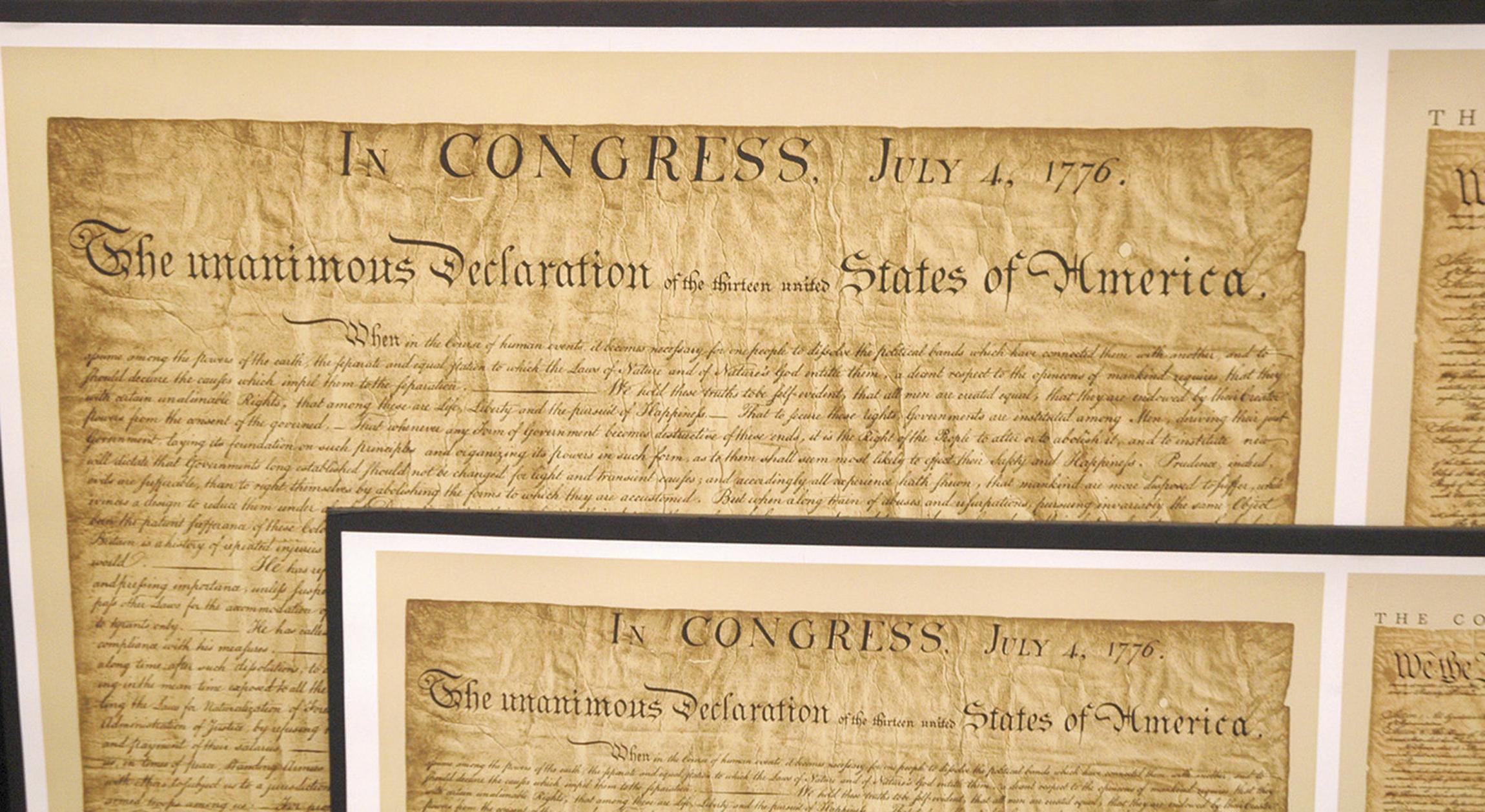
Patents are the only right explicitly protected in the original U.S. Constitution. That design was not automatic – opponents of intellectual property rights shifted their stance only after seeing how inventor incentives accelerated technology. The same tension is playing out today in the pharmaceutical sector, where the cost of bringing a single new molecule to market now runs an estimated $2 billion per drug.
The core mechanism has not changed since the early patent wars over sewing machines, which generated more litigation than any other period in U.S. history including the modern tech battles. A patent grants a 20-year exclusive window to profit from an invention. In exchange, the full specification is made public, so after expiration the entire economy benefits. The pharmaceutical industry faces a compressed version of this timeline because the FDA regulatory process consumes several of those 20 years before a drug can be sold.
The $2 Billion Recovery Arithmetic
Pharmaceutical companies must recover the full $2 billion development cost in the few years between regulatory approval and patent expiry. This structural pressure is the direct cause of high launch prices for new drugs – not corporate greed alone, the arithmetic of recouping a decade of R&D spending in a narrow revenue window.
Regulatory reform as an alternative. One logical remedy would be to shorten the approval process, effectively giving a drug more time on the market under patent protection. If a drug had twice the effective patent life, companies could charge half the price and generate the same profit. That path would not require price controls or compulsory licensing.
The middleman cost layer. Government involvement in healthcare has introduced a second pricing problem: Pharmacy Benefit Managers (PBMs) sit between drugmakers and patients. These middlemen add costs on top of already-high drug prices. Regulatory reform targeting the approval timeline would address the root cause. Congress has instead focused on the patent process itself.
How Congress Is Targeting the Patent Process
Rather than fixing the regulatory timeline or the PBM structure, Congress has increasingly pointed to drug patents as the problem. The specific targets include price controls and the way pharmaceutical companies manage patent filings. This approach risks damaging the incentive system that funds the next generation of drug development.
The Sewing Machine Precedent
During the 19th-century sewing machine patent wars, competitors sued each other over every incremental improvement. The industry eventually created a patent pool to keep production moving. That cooperative solution emerged only after years of litigation that slowed innovation for all parties. The current congressional approach – treating patents as the obstacle rather than the incentive – echoes the same destructive pattern.
The Sector Read-Through for Traders
For investors tracking pharmaceutical stocks, the congressional posture creates a binary risk:
- If Congress enacts price controls or weakens patent enforcement, the economics of $2 billion drug development programs shift. Companies may redirect R&D spending toward lower-risk, lower-cost targets, reducing the pipeline of breakthrough therapies.
- If Congress targets only specific patent practices (like evergreening or thicketing), the impact narrows to firms with heavy reliance on those strategies. Companies with diverse patent portfolios or strong pipeline depth are less exposed.
Valuation Mechanism in Play
Pharmaceutical valuations depend on the net present value of expected future cash flows from currently approved drugs and the probability-weighted value of pipeline candidates. A credible threat to patent exclusivity directly reduces the second component – and that reduction compounds because later-stage candidates face the same risk.
Key Variables to Watch
- FDA approval timelines: Any legislative or executive action that lengthens or shortens the review period changes the effective patent life for every drug in development.
- PBM regulation: Rules that reduce middleman margins would improve net pricing for drugmakers without touching patent protections.
- Patent litigation trends: A rise in successful patent challenges from generic or biosimilar manufacturers signals weaker exclusivity protection.
What Would Confirm the Thesis
The bear case for pharmaceutical patent exposure strengthens if any of the following occur:
- A bipartisan bill is introduced that includes explicit drug price controls tied to government reference pricing.
- The Supreme Court takes a case that narrows the scope of patent eligibility for pharmaceutical compounds.
- Major PBMs announce consolidation that increases their negotiating leverage against drugmakers.
What Would Weaken the Thesis
The risk to patent-dependent pharma models diminishes if:
- Congress passes regulatory reform that shortens the FDA approval timeline without touching patents.
- The White House issues an executive order supporting intellectual property protections for biotech and pharma.
- Industry data shows that R&D investment continues to climb despite the political rhetoric, indicating that companies are not retrenching.
Innovation Beyond Pharma: Infrastructure Patents
Patents have historically driven innovation in infrastructure as well. One of the earliest U.S. patents covered a method for treating wood used in bridge construction, extending the lifespan of timber and making early infrastructure investment stretch further. That allowed faster expansion of roads, travel, and trade – all of which compounded economic growth.
The Compounding Effect of Disclosure
The public disclosure requirement is the mechanism that makes the patent system work over time. Competitors see the specification, learn from it, and build the next improvement. After expiration, the entire industry – and the economy – inherits the knowledge at no additional cost. This is the same mechanism that turned sewing machine innovations into affordable clothing for a growing population.
Practical Framework for Watchlist Decisions
Investors should separate the political noise from the structural economics. The $2 billion cost per new molecule is not negotiable. The patent life is fixed at 20 years. The only variables that matter for drug pricing are:
- How many of those 20 years are eaten by clinical trials and FDA review.
- How much margin PBMs extract from the distribution chain.
- How effectively Congress can enforce price controls without violating trade agreements or constitutional property protections.
A trader watching this space should track two things: the legislative calendar for any bill that references the Hatch-Waxman Act or the Biologics Price Competition and Innovation Act, and the quarterly earnings calls of major PBMs. Those are the two pressure points where a policy change would transmit directly to pharmaceutical stock prices.
Risk to Watch
Congressional action targeting patents rather than regulation or middlemen is the worst outcome for pharma innovation. It removes the incentive without fixing the timeline or the cost structure. If that pattern continues, the U.S. risks losing the lead in pharmaceutical R&D that the patent system was designed to preserve.
Innovation policy is infrastructure for the economy – the Constitution placed patents alongside property rights for a reason. The current congressional approach, which treats drug patents as the problem instead of the costly regulatory timeline and the PBM middlemen, threatens to break the incentive mechanism that funds the next wave of medical breakthroughs. The watchlist question for investors is whether Congress will address the real structural issues or continue targeting the wrong variable.