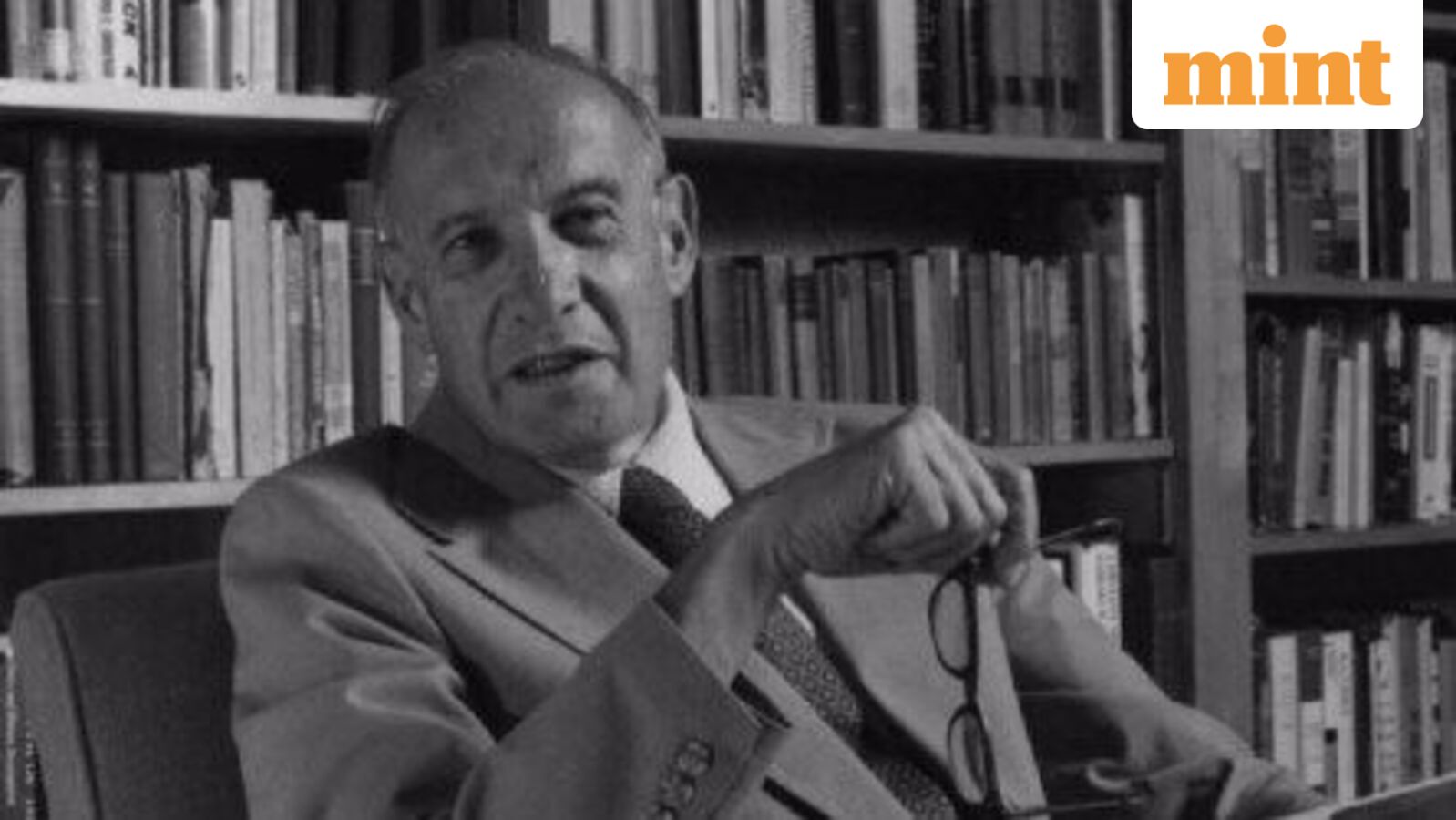
Peter Drucker's line on efficiency versus effectiveness usually lives in management textbooks. In markets, it describes a mistake that costs traders more than any misplaced stop-loss.
Efficiency is execution speed, low slippage, and good fill quality. Effectiveness is the thesis: which trade to take, the right size, and when to skip the noise. A trader who enters every tick cleanly but chases the wrong catalyst is running fast in the wrong direction. Drucker's point is that the second matters more, and the two are not substitutes.
Apple provides a clean example. Its product line is narrow. Fewer models, longer development cycles. That is effectiveness over efficiency. The company does not crank out devices as fast as possible. It picks which problems to solve and solves them deeply. The market rewards that discipline with a premium multiple. The same principle holds for stock selection. The most efficient portfolio construction cannot save a thesis that fails the effectiveness test.
A trader who screens 500 tickers in 60 seconds but lacks a framework for which setups actually resolve will post a loss curve that looks busy but flat. The busiest desks often have the worst risk-adjusted returns. Drucker would recognize the pattern immediately.
For AlphaScala readers, the practical move is to audit your own process. Where are you spending energy on execution that should go into thesis work? If your watchlist is wide but your win rate is low, consider that you are optimized for speed on the wrong set of stories. Effectiveness means cutting the noise before you ever place a cursor over a button.
The quote also applies to portfolio construction. A concentrated portfolio of high-conviction names is effective but inefficient in diversification terms. A 30-name ETF is efficient in a correlation sense but may be ineffective if the chosen basket does not match the macro view. Drucker would side with the concentrated approach, provided the conviction is real and not just ego.
Institutional investors often fall into the efficiency trap. They measure transaction costs, commission capture, and fill ratios obsessively. The big misses happen at the idea stage. The hedge fund that shorted the wrong meme stock at the perfect entry is still down. The effective call is the one that makes money, not the one that got the best execution.
Drucker's quote, reduced to markets: being right once beats being fast a hundred times. Discipline on the front end of the trade – idea generation, catalyst timing, sizing – is the effectiveness lever. Execution automation and broker fee compression are the efficiency levers. Fix the former first.
A final note for anyone tempted to optimize every edge. Drucker was writing before electronic markets existed. His insight on purpose versus process is more relevant now than it was in 1960. The same data flows that make trading efficient also drown out the signal. Effectiveness in 2025 means filtering harder, not scanning faster.