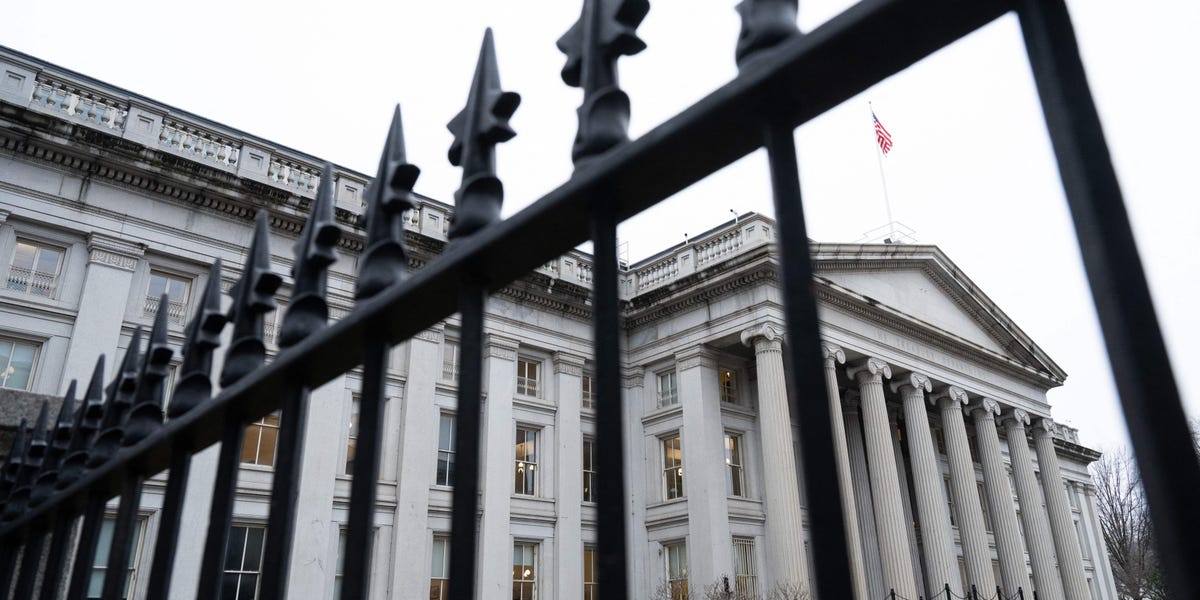
The Education Department is transferring defaulted student loans to the Treasury, reopening a channel that brings in private collection agencies previously penalized for misleading borrowers. For markets, this is not a back-office administrative change. It is a policy signal that aggressive collection will resume, and that has a direct transmission path into consumer credit quality, bank provisioning, and risk appetite.
The Policy Shift and Its Macro Signal
The move effectively reverses a Biden-era pause on private collection. Under the Trump administration, the Treasury will take over the collection process on millions of defaulted loans. The agencies returning to the roster were penalized in prior years for deceptive practices. The collection effort will be more aggressive and less borrower-friendly than the previous status quo.
For macro traders, the immediate read is straightforward: consumer liquidity takes a hit. Defaulted borrowers about to face wage garnishment, tax-refund seizure, or Social Security offset will have less disposable income. That reduces aggregate demand at the margin, particularly among lower-income households where student loan defaults are concentrated. The effect is small in aggregate GDP terms. It is a headwind for consumer discretionary stocks and a tailwind for delinquency rates on other consumer credit products.
The Transmission Path Through Credit Markets
The second link in the chain runs through bank balance sheets. When defaulted student loans are collected more aggressively, the proceeds reduce the government's loss on its loan portfolio. The same borrowers now have less capacity to service other debts: auto loans, credit cards, personal loans. Banks with large exposure to subprime consumer lending face a higher probability of delinquencies rolling over.
This is not a temporary shock. The Education Department's stock of defaulted loans runs into the hundreds of billions of dollars. Bringing back penalized collectors raises the collection rate. It also introduces legal and reputational risk for the agencies themselves. Any new misconduct can trigger regulatory fines that ripple back to the Treasury as a counterparty.
The Dollar and Risk Appetite Overlay
A less obvious transmission runs through the dollar. When the Treasury collects more on defaulted loans, it reduces the federal deficit incrementally – every dollar collected is a dollar not borrowed. That is a marginal positive for the fiscal position, which in theory supports the dollar. The magnitude is too small to move the currency on its own. The real action is in risk appetite.
Investors repricing consumer credit risk tend to rotate out of small-cap equities and into large-cap defensives. The S&P 500 components with exposure to consumer finance, such as Capital One or Synchrony Financial, will face scrutiny on provisioning. The Russell 2000, which has a higher weight in subprime lenders and regional banks, is more exposed.
What Confirms or Weakens the Setup
The key catalyst to watch is the first quarterly earnings cycle after the Treasury ramps up collection. If bank provisions for loan losses rise more than 10%, the market will price in a tighter consumer credit cycle. If provisions stay flat, the policy shift may be discounted as noise.
A second marker is the CBO's fiscal update. The Congressional Budget Office will likely revise its deficit projections lower if collections exceed expectations. That would strengthen the dollar and Treasuries on the margin.
Bottom line for traders: The return of penalized collection agencies is a macro signal that the government is prioritizing deficit reduction over borrower relief. That tastes like a soft headwind for consumer stocks and a reason to own short-duration credit. The next scheduled data point is the October consumer credit report from the Fed, which will show the first full month of collection activity. Watch the delinquency rate on student loans in that release – if it drops, the policy is working. If it diverges from other consumer credit delinquencies, the cross-currents tell you the story is real.
The Next Decision Point
The administration has not published a timeline for the full transfer. The Treasury will need to onboard the private collection agencies and issue new contracts. That process takes at least three months. By Q2 2025, the first wave of collection letters will go out. That is when the consumer credit data starts to show a shift. Until then, the market will price the risk as a low-probability tail factor, leaving the transmission channel latent. The first earnings call that explicitly mentions this as a headwind changes that calculus.