Commodities● Neutral
Why Copper Miner Antofagasta's NAV Conversion Is Underpriced
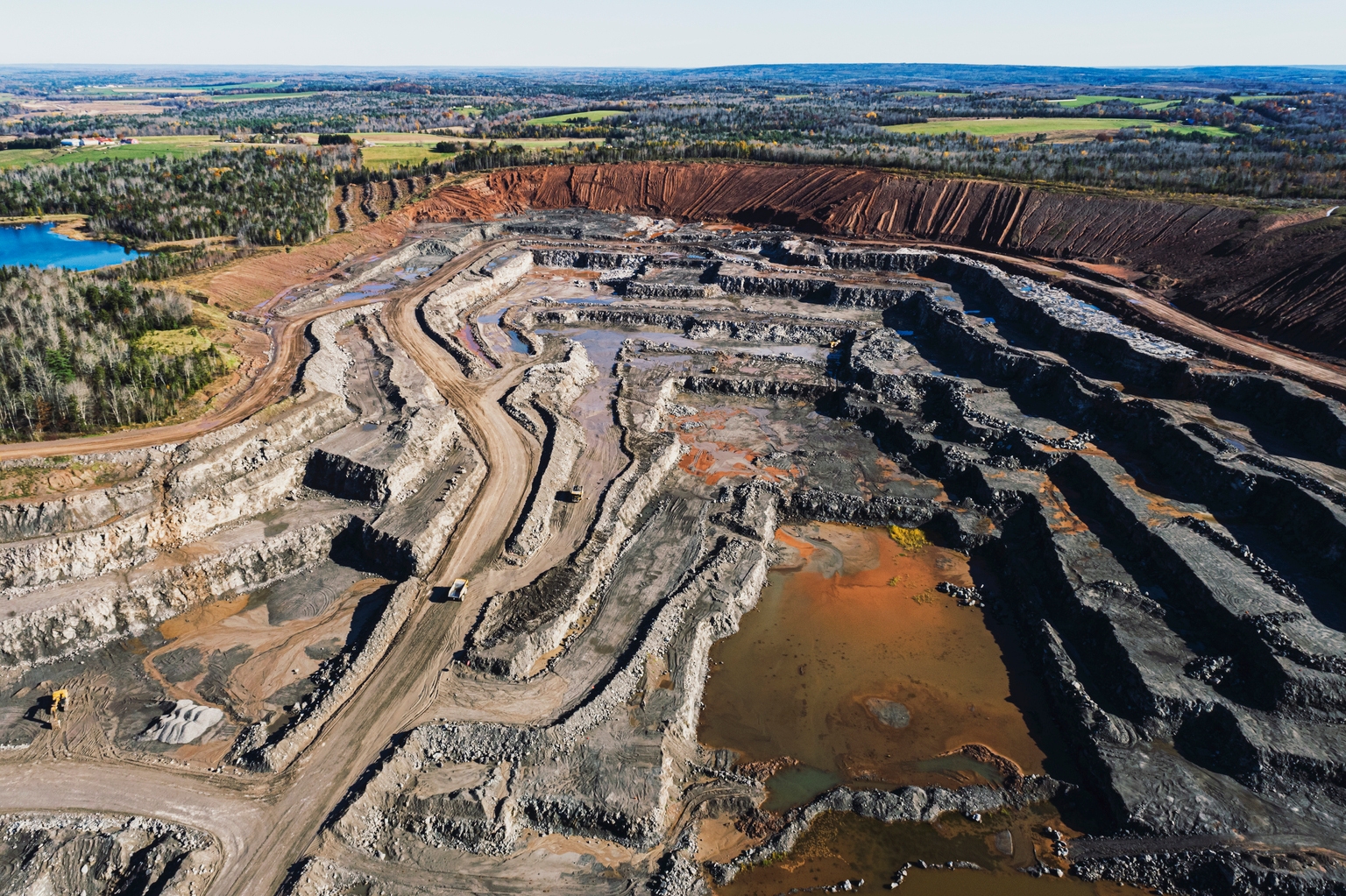
Antofagasta's water-secure, low-cost Chilean mines are converting copper resources into cash flow faster than the market prices. Why the gap may close.
Continue with
Antofagasta operates some of Chile's largest copper mines, with decades of reserves and a cost structure that has improved after years of investment in water infrastructure and operational efficiency. The company's net asset value, which sums the discounted cash flows of each mine, is significantly higher than the current stock price. A Seeking Alpha analyst argued that the market is underpricing the structural conversion of resources into cash flow.
That conversion relies on two pillars. The first is water security. Over the past five years, Antofagasta spent roughly $4 billion on desalination plants and pipelines in the Atacama region. Those assets now supply more than half of the freshwater the company uses, insulating operations from the drought that periodically forces other Chilean miners to cut output. Consistent production supports consistent cash flow.
The second pillar is cost. Antofagasta's C1 cash costs are among the lowest in the copper industry, well below the sector median. That places the company in the first quartile of the global cost curve. Even if copper prices fall sharply, Antofagasta can generate positive free cash flow. A higher price translates directly into wider margins.
The market seems to price Antofagasta as a cyclical copper play, tied to commodity price swings. The analyst argued that is too narrow. The company's long mine life, low costs, and water security give it a structural advantage that should command a premium, not a discount, to the sector average. The NAV conversion the analyst described is the process of turning that resource base into cash each quarter, and the pace of that conversion is what the market is underpricing.