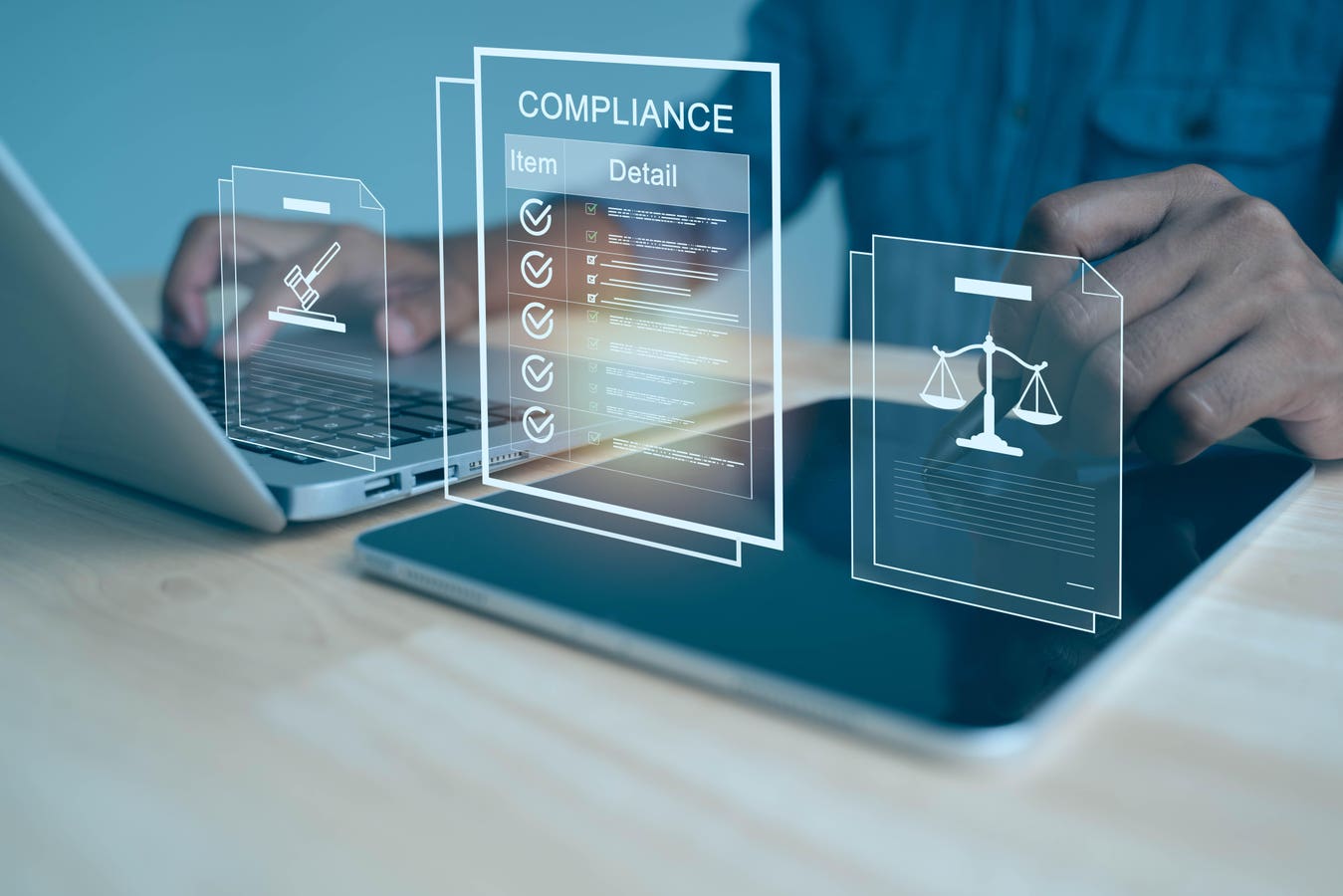
AI lets developers ship code faster and attackers move faster too. Ben Gebremeskel argues compliance automation is the only way to close the gap between speed and security.
Ben Gebremeskel, founder and CEO of TeckPath, has a straightforward argument: the same AI tools that let developers ship code faster are letting attackers move faster too. The gap between those two speeds is where the risk lives.
"Applications can be conceptualized, developed and deployed faster than ever," Gebremeskel writes. Development teams use AI-assisted coding to compress release cycles. Threat actors use the same technology to automate reconnaissance, find vulnerabilities, and adapt malicious code. The barrier to entry for both sides has dropped.
That creates a problem for security teams. Manual reviews and periodic audits were designed for a world where features took months to ship. Now they take weeks or days. Compliance processes built for slower development cycles struggle to keep up.
Gebremeskel's answer is compliance automation – embedding controls directly into development and operational workflows so they are monitored, validated, and documented in real time, not checked once a quarter.
"This shift can transform compliance from a reactive process into a proactive capability," he says.
A key piece of that shift is getting cybersecurity and compliance teams to work together. Historically, security focused on defending systems and data while compliance concentrated on audits and regulatory obligations. In an AI-driven environment, those responsibilities overlap. Security controls generate evidence for compliance requirements. Compliance frameworks establish governance standards for security programs. Risk assessments feed both operational decisions and regulatory reporting.
"Organizations that treat cybersecurity and compliance as strategic partners can gain a significant advantage," Gebremeskel says. Compliance automation becomes the connective tissue – continuous visibility, standardized reporting, measurable accountability.
The alternative is the old model: prepare for an audit once or twice a year, scramble for evidence, hope nothing was missed. Gebremeskel argues that customers, regulators, partners, and investors are increasingly asking whether compliance can be demonstrated consistently, not just achieved at a point in time.
"In many cases, the ability to demonstrate continuous compliance may become as important as achieving compliance itself," he writes.
None of this is hypothetical. AI adoption is expanding across industries. Regulators are paying closer attention to how models are trained, how data is governed, and how decisions are explained. The companies that can show ongoing compliance – not just a clean audit report from six months ago – will have an easier time scaling and maintaining stakeholder confidence.
Gebremeskel frames the choice as a false dichotomy. "The conversation should no longer be about compliance versus innovation," he says. "The real opportunity lies in using compliance automation to enable innovation securely, responsibly and at scale."
That requires the right teams talking to each other. Security, compliance, and development can no longer operate in silos. The organizations that figure out how to integrate them will reduce risk and build the trust necessary to compete in an AI-driven world. The ones that do not will keep fighting fires after every release.
Gebremeskel is founder and CEO of TeckPath. This article originally appeared in Forbes Technology Council, an invitation-only community for CIOs, CTOs, and technology executives.
Prepared with AlphaScala research tooling and grounded in primary market data: live prices, fundamentals, SEC filings, hedge-fund holdings, and insider activity. Each story is checked against AlphaScala publishing rules before release. Educational coverage, not personalized advice.