Commodities● Neutral
Why China's Rare-Earth Controls Are Losing Their Leverage
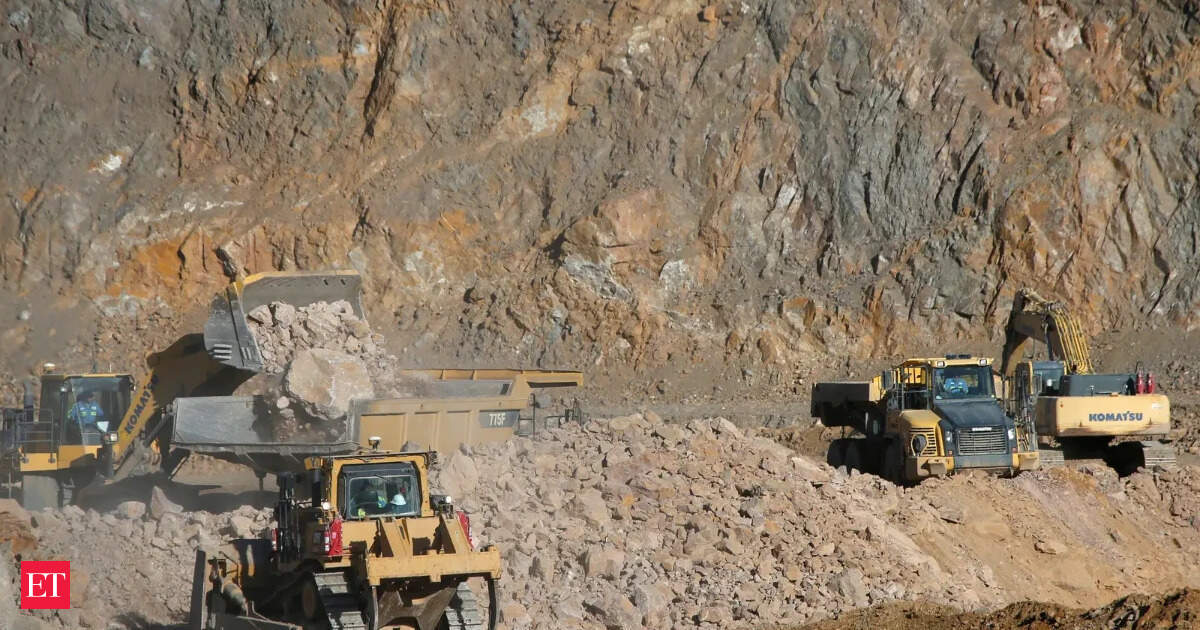
New deposits on four continents and processing plants abroad are eroding China's near-monopoly on rare earths. Mining share fell to 58% in 2023, USGS data show.
Continue with
China's export controls on rare earths are pushing the rest of the world to build its own supply chain. New deposits of ionic-absorption clays have been found across four continents. Processing plants are being built outside the country, according to industry research and government data.
The deposits are the same type that gave China its near-monopoly. They are easier to mine and refine than hard-rock ores. The U.S. Geological Survey confirmed discoveries in Africa, Australia, South America and Europe. Each site is still early stage, but together they could reshape supply within five years, analysts said.
Processing capacity is the bigger bottleneck. China controls about 90% of rare-earth refining. That share is now under pressure. Lynas Rare Earths, a non-Chinese producer, has expanded its Malaysian plant and is building a new facility in Australia. The company said it will double its processing capacity by 2027. Other projects are moving forward in the United States and Europe, backed by government subsidies and defense contracts.
Beijing responded to the new competition by tightening export rules in 2023. The rules require licenses for shipments of rare-earth magnets and related technology. The move was intended to preserve China's leverage. The controls have accelerated the push for alternatives, not slowed it, mining executives said.
"The export restrictions made it a boardroom priority," one executive at an Australian mining company said. "Two years ago, rare earths were a footnote. Now they are a strategic issue."