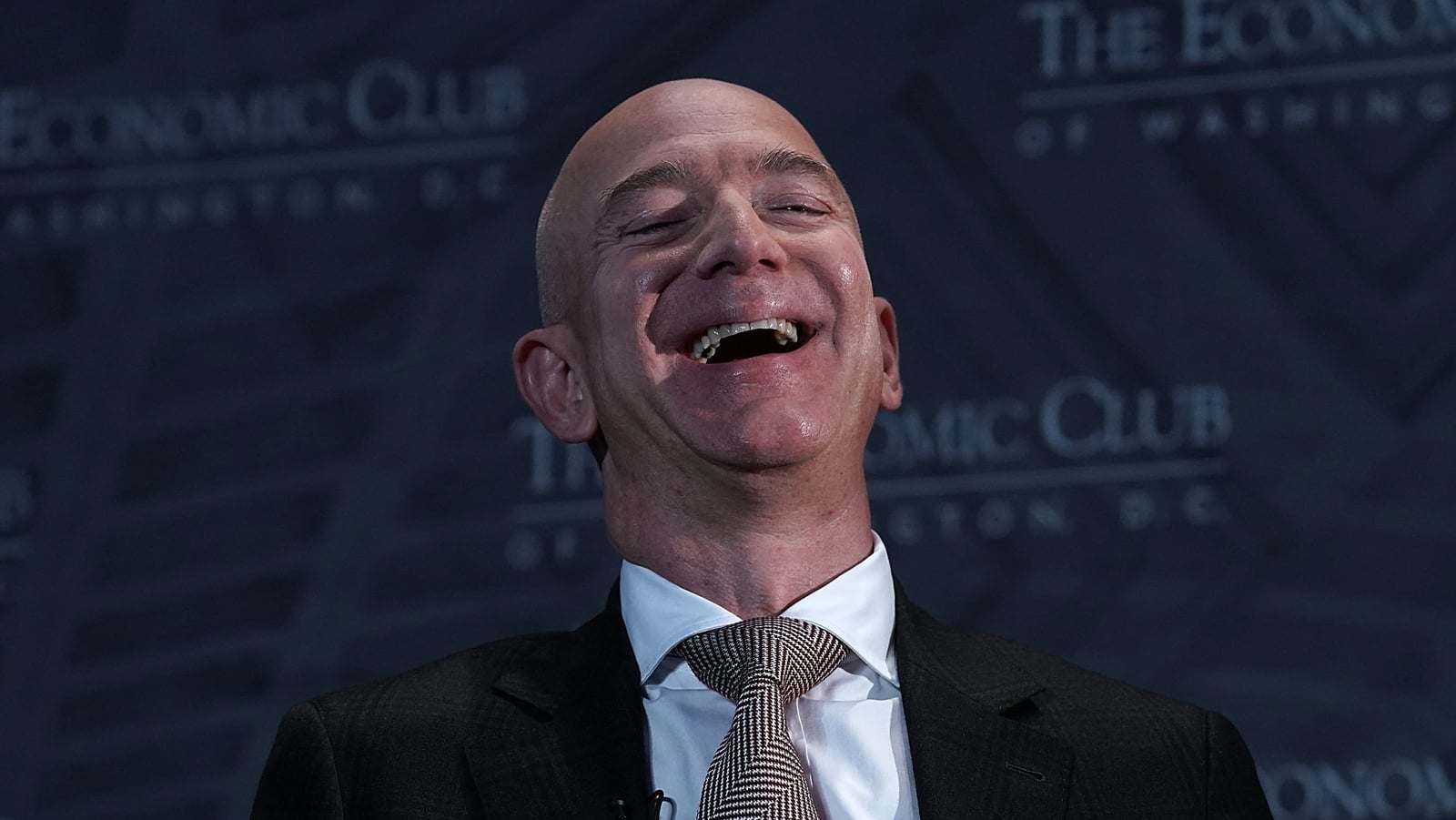
Jeff Bezos, Eduardo Saverin and Indian steel magnate Lakshmi Mittal’s son-in-law Amit Bhatia are buying into Liverpool FC through a consortium called 1892 Holdings. The group is taking a roughly 38% stake from Fenway Sports Group, which has owned the club since 2009. FSG says it retains operational control, but Bhatia will become vice-chair and the consortium gets board seats. The Financial Times reported the deal values Liverpool at about £4.2 billion, more than six times what FSG paid in 2011.
Bezos and Saverin join a long list of billionaires who have bought controlling or minority stakes in soccer clubs. The logic is straightforward. Top clubs are big businesses. Real Madrid posted nearly $1.3 billion in revenue last season. Barcelona took in over $1 billion. Liverpool, Manchester City, Paris Saint-Germain and Bayern Munich all generated more than $900 million in annual revenue. The asset also has a degree of future-proofing. Soccer still commands large, live audiences, and fan loyalty is far stickier than in almost any other consumer business.
But the investment carries a distinct set of risks that do not show up on a balance sheet. Many seasoned businesspeople have seen their reputations damaged by a club’s on-field struggles or fan backlash. Others have made large profits while alienating the very supporters who generate the revenue.
The Glazer family’s takeover of Manchester United in 2005 is the clearest example. They used a leveraged buyout, borrowing most of the purchase price and loading the debt onto the club. That left United with hefty annual interest payments that contributed to years of under-investment in the squad and facilities. The team’s performance slid, and ‘Glazers Out’ protests became a regular feature at Old Trafford. Financially, however, the family did very well. They bought the club for about £800 million, putting down only £273 million of their own money. Between 2012 and 2022 they sold roughly £555 million of shares. Then they received another £732 million from Sir Jim Ratcliffe when he took a minority stake in 2023. Altogether that comes to about £1.5 billion in proceeds from an initial £273 million outlay, according to BBC News analysis cited by the Wealth Club report.
Mike Ashley’s ownership of Newcastle United followed a similar pattern. He bought the club in 2007 for around £134 million, and initially won over fans by lowering ticket prices and appearing in local pubs. But his lack of a proper football structure led to two relegations and years of bottom-half finishes. The fanbase turned hostile. When Ashley sold in 2021 to a Saudi Arabian-led consortium, his holding company netted a £197 million profit. It also later emerged that his retail chain Sports Direct had not paid sponsorship fees to the club for three seasons, effectively getting free advertising, the report said.
Roman Abramovich took the opposite approach at Chelsea. He bought the club for £140 million in 2003 and then pumped in roughly £2 billion in interest-free loans to buy success before Financial Fair Play rules tightened. Chelsea won the Premier League five times and the Champions League twice during his tenure. Fans loved him despite his ties to Vladimir Putin. When the UK government sanctioned him after Russia’s invasion of Ukraine, supporters had to be asked to stop chanting his name. He sold the club in 2022 for £2.5 billion and promised to give the proceeds to Ukrainian war victims. That money has not yet materialised; the UK government threatened legal action in March over a missed deadline.
FSG at Liverpool has balanced financial success with on-field glory better than most. Revenue has roughly tripled since 2011. The group brought in Jürgen Klopp and Mo Salah, ending a 20-year league title drought. The minority sale to 1892 Holdings let FSG cash out more than six times its original investment while keeping control. Still, some fans now grumble about creeping under-investment and penny-pinching on transfers. The honeymoon period is fading.
Ryan Reynolds and Rob McElhenney’s ownership of Wrexham AFC shows a lower-risk model. They paid £1 for a controlling stake in a fifth-tier club and invested about £2 million more. The Hollywood pair’s fame turned a small Welsh team into a global brand. A Disney+ documentary series drove massive revenue growth. Wrexham has climbed to League One, the third tier, and its revenue has multiplied 28 times. A recent £48 million investment from Apollo Sports Capital for a 10% stake implies a valuation near £480 million. The fans adore them. The loans they put into the club have been fully repaid.
For most clubs, though, the need for deep-pocketed owners is now a fact of life. Financial Fair Play rules and rising wage bills make it almost impossible to compete without outside capital. The price of that capital is often paid by supporters through higher ticket prices, more frequent kit launches and relentless commercialisation. The captive audience that makes the investment attractive is the same one that can turn hostile when performance falters or costs rise.
The Liverpool deal is still being finalised. The Premier League must approve the consortium’s directors. Until then, the full structure of the investment and the investors’ long-term intentions remain unconfirmed.