Stocks● Neutral
Why BEST Bus Strike Hits Mumbai Harder Than It Looks
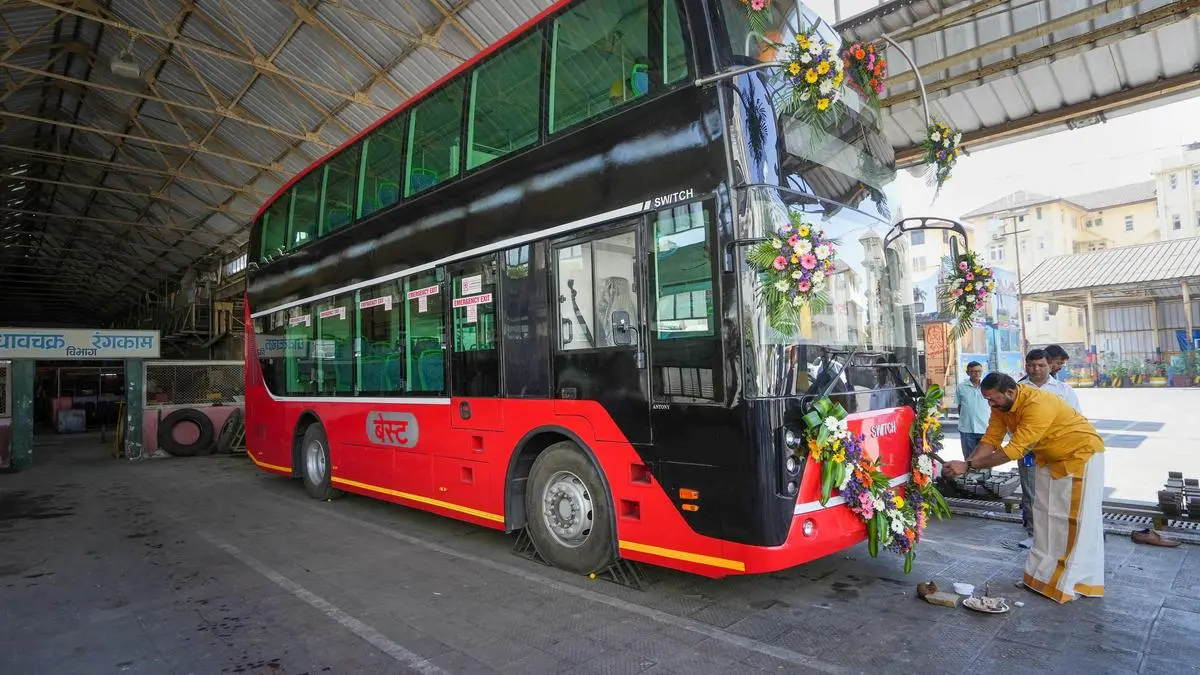
BEST employees walked off the job despite a court order and MESMA. With 2,700 buses off Mumbai's roads and union ranks split, the strike hinges on structural demands, budget merger, pay commission, and the end of wet-lease hiring.
Continue with
Mumbai's bus commuters woke up to empty stops Friday morning. Employees of the Brihanmumbai Electric Supply and Transport (BEST) undertaking walked off the job on an indefinite strike, pulling roughly 2,700 buses off the city's roads – most of those, the civic body's own data shows, are already hired from private operators. Hardly a bus left any of BEST's 27 depots, and those that tried were blocked by striking workers, commuters said.
The strike was called by the BEST Sanyukt Kamgar Kruti Samiti, a joint action committee representing a dozen unions. The industrial court had passed an ad-interim order restraining the strike. The Maharashtra government had already invoked the Maharashtra Essential Services Maintenance Act (MESMA), which makes disrupting essential services illegal. Neither stopped the walkout.
The union demands cluster around structural issues that have plagued BEST for years. They want BEST's budget merged with the Brihanmumbai Municipal Corporation's, a one-time settlement of retired employees' legal dues, and full implementation of the Seventh Pay Commission recommendations for the 2016-2026 period. They also want the end of contractual hiring in both the transport and electricity divisions, and the absorption of wet-lease bus workers into permanent BEST rolls.
That last demand cuts to the heart of BEST's financial bind. The undertaking now runs about 2,700 buses. Most are wet-leased – the private operator supplies the vehicle and the driver; BEST supplies the route and the ticket. The model keeps capital costs off BEST's books but leaves a workforce that is part-BEST, part-contract, with different pay scales and benefits. The unions want that gap closed.