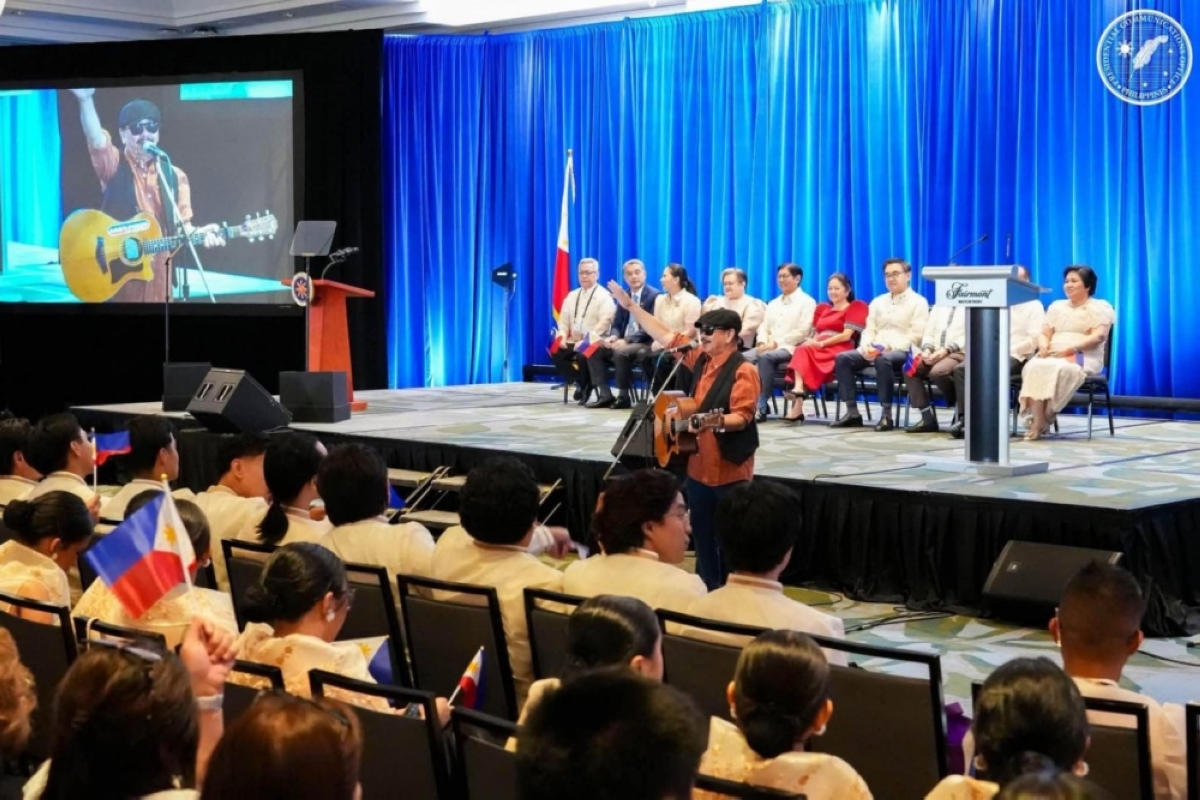
[VANCOUVER] President Ferdinand Marcos Jr. spent Friday in a boardroom at the Fairmont Pacific Rim pitching Canadian miners on a simple trade: Philippine nickel and copper for Canadian capital and extraction technology.
B2Gold Corp. and OceanaGold Corp. both signaled plans to expand operations. The hook for investors is critical minerals. Nickel feeds EV battery cathodes. Copper wires the grid. The Philippines has the fifth-largest nickel reserves on the planet, and the government wants to move beyond exporting raw ore.
“The Philippines is open for business, ready for partnerships,” Marcos told the roundtable.
A trader looking at this headline needs to separate the marketing from the milestones. Roundtables and MOUs are standard diplomatic fare. The practical read tracks the permitting path.
B2Gold brings a specific history. The company has been working through permitting at its Goose project in Canada and managing operational risk in Mali. Adding a nickel exposure in the Philippines diversifies the asset base without pulling focus from gold production.
OceanaGold already operates the Didipio mine in Luzon. Its expansion plans are further along, which makes it a useful lead indicator for how the regulatory process works in practice.
The Commodity Driver
Nickel prices have been suppressed by the Indonesian supply build-out. The Philippine advantage is ore quality and shipping distance to Chinese and Japanese battery processors. If the government builds a domestic processing industry, it changes the margin structure for the miners.
Marcos said energy is the top consideration. Mining operations consume between 15 and 30 percent of their operating budget on power. Cheap, reliable electricity is the difference between a viable processing plant and a sunk cost.
Local government dynamics add another layer. Mining host provinces control their own permitting. A mayor or governor can slow a project down regardless of what the national government signs. The president's vision is one piece of the puzzle.
Trade Secretary Cristina Roque said critical minerals are “strategic inputs.” The word choice signals that the government sees processing as a national priority, not just a mining license.
Confirming Factors
A formal investment agreement with a named processing partner. A power-supply contract tied to a specific mining concession.
Invalidating Factors
Permitting delays in host provinces. A policy shift back toward raw ore export licenses without a domestic processing requirement.
The DTI said the roundtable is the first of a series. The next meeting is scheduled for October, by which time the participating companies are expected to have identified specific sites and potential partners.
B2Gold trades without an Alpha Score, reflecting the uncertainty around its operational mix. The BTG stock page tracks these specific catalysts. The B2Gold's Production Lull Is Temporary, Mali Risk Priced In article laid out the near-term gold story. The nickel bet is a longer-term layer on top of that.