Stocks● Neutral
Why 90% of Startup Executives Fail the Curiosity Test
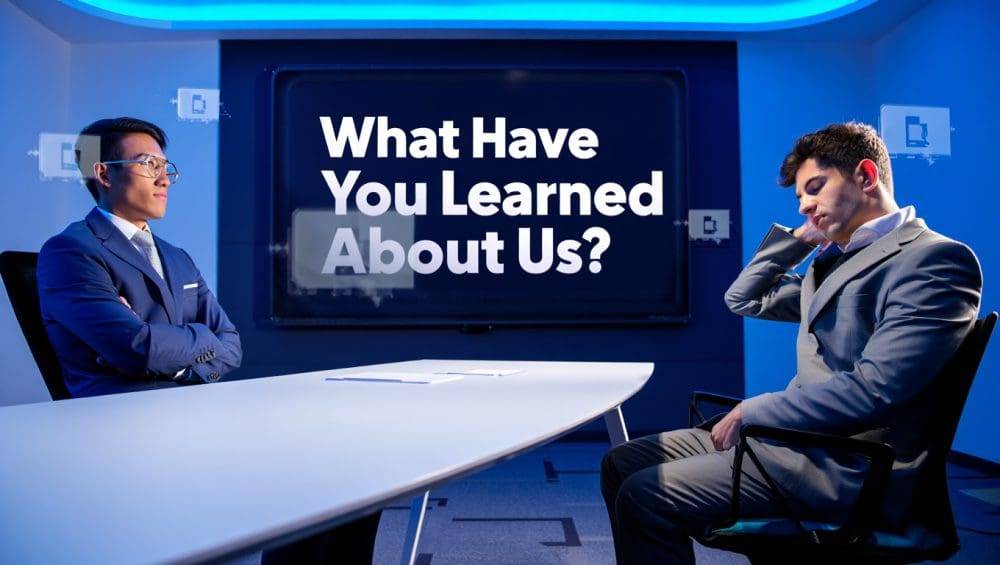
90% of VP-level candidates cannot identify key business risks after 10 interviews. This is how investors can apply the same filter to management teams.
Continue with
Jason Lemkin, founder of SaaStr, has interviewed hundreds of executive candidates. He makes it a point to be the last person they speak with. By then, the candidate has usually done eight, ten, sometimes more meetings with the founding team. His question is simple: "What have you learned?"
More than 90% cannot answer it well. They can say the company is "exciting." They can repeat the pitch deck version of the opportunity. They can tell him they liked the CEO and the team. They cannot name the real risks. They do not know the unit economics, the burn rate, the retention numbers, or what was in the last board pack. After ten meetings, they have impressions, not knowledge.
Lemkin is not quizzing on trivia. He is looking for evidence of curiosity. Across ten conversations with the CEO, the co-founder, and the team, did the candidate push past the sell job? Did they ask hard questions about the business they are about to bet their career on?
The best candidates stand apart. They have reverse-engineered the revenue model from the pricing page. They asked about churn in every interview. They talked to customers on their own. They identified where the org chart has gaps. They come in and brief him on the state of the company.
A memorable example comes from a fast-growing startup. The candidate everyone wanted kept talking about wanting an extensive training program. Lemkin asked: "Do you know what the training program looks like with just eight people at the company?" The candidate did not know. He was hoping it was extensive. There was no training program. The company had six people. After ten interviews, this candidate had never asked a single question that would have surfaced that reality. The company avoided a mishire, though the CEO was initially annoyed at the directness.