Stocks● Neutral
Why 121 Finance's ₹10 Crore Milestone Is a Risk Event
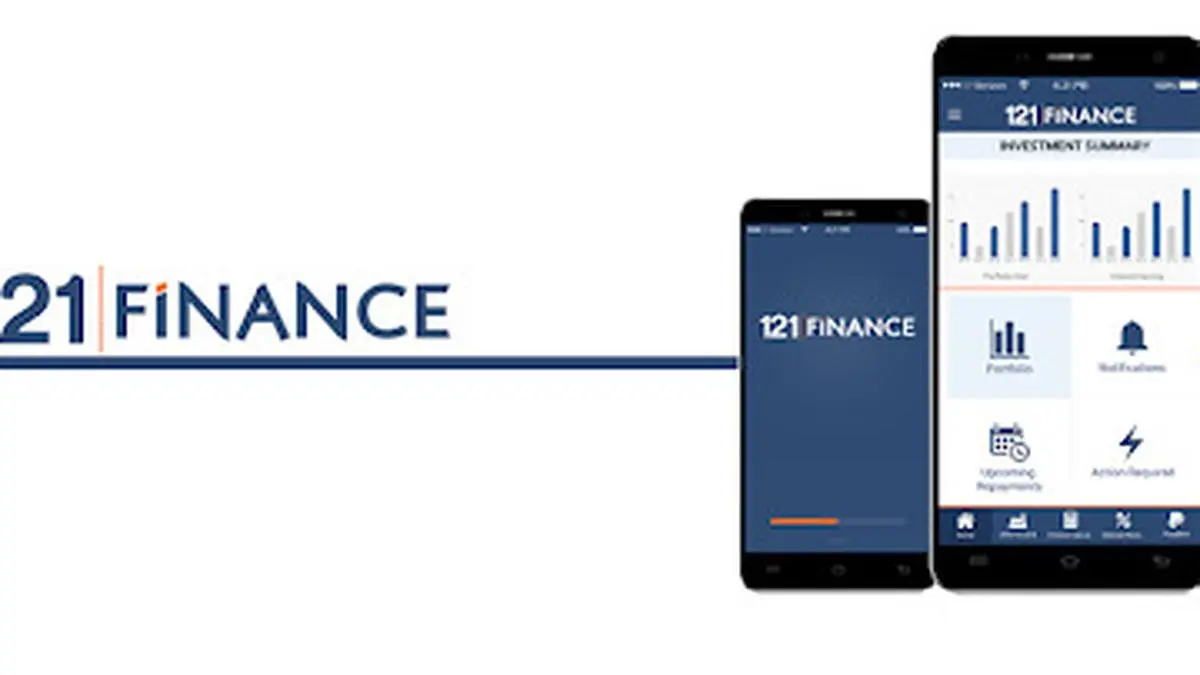
121 Finance disbursed ₹10 crore via GeM Sahay with 2,600 loans as small as ₹127. The model works on transaction data, not collateral. The real risk is government payment timing and scalability without disclosed default data.
Continue with
121 Finance crossed ₹10 crore in cumulative disbursements through GeM Sahay, the credit facility built on the Government e-Marketplace. The number is modest by bank-loan standards. The mechanism is not. The company disbursed 2,600+ loans to more than 400 MSMEs across 173 cities in 27 states, with ticket sizes as small as ₹127. That range tests a lending model that replaces collateral with transaction data. The milestone is a risk event because the model's scalability will reveal whether transaction-linked underwriting works at scale – or breaks on government payment delays.
How Purchase-Order Financing Replaces Collateral
The NBFC-Factor Mechanism on GeM Sahay
Traditional working capital lending requires physical collateral, audited financials, and weeks of processing. NBFC-factor institutions – non-deposit-taking financiers that purchase invoices at a discount – operate differently. They lend against a confirmed receivable. In this case, the receivable is a government purchase order.
121 Finance routes repayment through the cash flows generated from that government order. The borrower never touches the funds directly; the collection is controlled at source. This is the collection-controlled lending model the company describes. Credit risk shifts from the MSME's general business health to the specific procurement contract and the government's payment cycle.
OCEN and the Data Standardisation Layer
GeM Sahay runs on the Open Credit Enablement Network (OCEN), an India Stack protocol that allows lenders to access transaction data from government procurement orders in real time. The platform standardises underwriting inputs: order value, delivery status, payment history. This removes the information asymmetry that traditionally blocks small suppliers from formal credit.
The quote captures the promise. The risk lies in what it does not cover – the timing and reliability of government payments.
Scalability and the Data Gaps That Matter
Volume Metrics Mask the Stress Test
The headline number – ₹10 crore – is cumulative. The average loan size is approximately ₹38,000. 121 Finance is the first lender to go live on GeM Sahay and remains the largest lender on the platform. Volume growth from zero to ₹10 crore is real. Scale in micro-credit is not measured by gross disbursement alone.
Repeat usage rate and the delinquency curve matter more. The source does not provide default or delinquency data. The model has a structural check: if a government order is settled late – a known risk in Indian procurement – the borrower may not have alternative cash flow to repay. The collection-controlled mechanism works only when the government pays on time.