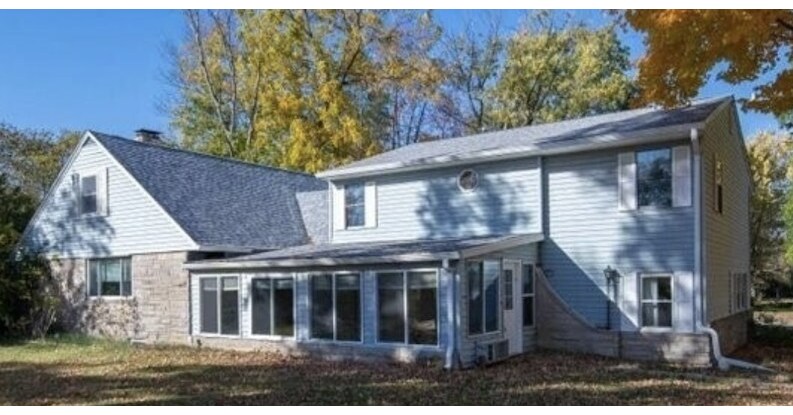
White Rivers Indy is using a 501(c)(3) model to acquire a 3.7-acre studio, allowing donors to bypass 2026 OBBB tax caps through directed charitable giving.
Alpha Score of 36 reflects weak overall profile with moderate momentum, poor value, moderate quality. Based on 3 of 4 signals — score is capped at 90 until remaining data ingests.
White Rivers Indy (WRI) has launched a strategic acquisition pathway for a 3.7-acre production compound known as The Fortress. This initiative is designed to leverage the 2026 OBBB Act, which introduces new, restrictive caps on traditional tax deductions for high-income individuals and corporations. By utilizing a 501(c)(3) fiscal sponsor, WRI is positioning the facility acquisition as a directed donation, allowing donors to mitigate their 2026 tax liabilities while funding the development of Indiana-based creative infrastructure.
The core of this strategy is the shift from traditional capital investment to a charitable gift model. Under the 2026 OBBB provisions, taxpayers seeking to lower their taxable income face limited options for conventional write-offs. WRI’s model bypasses these constraints by framing the purchase of The Fortress as a donation to a non-profit entity. This approach effectively converts what would have been a tax payment into a permanent, mortgage-free asset for the regional film industry.
For the donor, the mechanism provides immediate tax relief that traditional commercial real estate investment may no longer offer under the current legislative environment. By removing the burden of debt service from the studio’s overhead, the model aims to ensure that future production capital is directed toward local job creation and project output rather than interest payments. This structure is particularly relevant for entities looking to offset high-bracket tax exposure while maintaining a footprint in the Midwest creative sector.
The 3.7-acre Southport site is intended to serve as a long-term anchor for Indiana’s film production capabilities. The facility includes sound stage potential and logistical infrastructure that the organization claims will provide a stable foundation for projects like the upcoming film, The Good Life. By securing the site through this fiscal sponsorship model, WRI intends to insulate its operations from the volatility often associated with debt-financed studio projects.
This move represents a broader trend of utilizing tax-advantaged vehicles to build out specialized industrial or creative infrastructure in response to shifting federal tax policy. Investors and financial advisors evaluating this pathway must consider the long-term liquidity of such an asset, as the mortgage-free status of the property is intended to prioritize operational stability over capital appreciation. The success of this model will depend on the ability of WRI to maintain the 501(c)(3) status of its fiscal sponsor and the continued appetite of donors for this specific type of tax-mitigation strategy. Those interested in the technical specs of the site or the fiscal sponsorship framework should monitor the project’s documentation for updates on the acquisition timeline and final donation thresholds. Understanding the interplay between stock market analysis and regional economic development remains a critical component for those tracking niche tax-advantaged investment vehicles in the current cycle.
AI-drafted from named sources and checked against AlphaScala publishing rules before release. Direct quotes must match source text, low-information tables are removed, and thinner or higher-risk stories can be held for manual review.