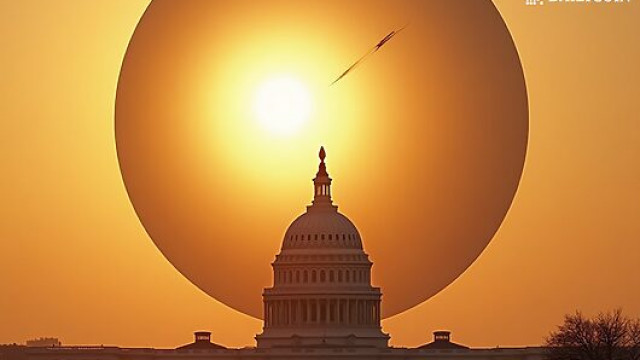
White House officials are pressing for a September 15 procedural vote on the CLARITY Act, with former Defense Secretary Mark Esper framing crypto rules as a national security issue.
The White House is pressing for a September 15 procedural vote on the CLARITY Act, the market-structure bill that would define which agency oversees crypto. The push comes after the legislation missed its summer window.
Patrick Witt, a key digital-asset policy figure, said the White House remains locked in on getting the bill across the finish line as the Senate tees up the vote. Former Defense Secretary Mark Esper has also weighed in, framing clearer crypto rules as a national-security issue rather than a tech wish list.
Supporters pitch the CLARITY Act as the framework that would end the “is it a security?” guessing game by assigning regulatory jurisdiction. The administration’s line is straightforward: more delay means more innovation and capital sliding offshore while U.S. regulators fight over turf instead of bad actors.
Esper’s national-security argument adds a different dimension. Regulatory fog doesn’t just slow startups, he said. It risks pushing critical financial and tech infrastructure into friendlier jurisdictions where oversight is thinner. Not everyone on the Hill is buying it, but the framing shows how the bill is being sold beyond crypto-industry talking points.
Traders have treated the September 15 date as its own catalyst. Prediction markets and options flow suggest growing skepticism that even a successful procedural vote will deliver clean, immediate clarity, several market participants said.
Some asset managers are already downplaying the near-term impact of another delay. They argue that major networks and stablecoin adoption won’t reverse just because Congress misses another deadline, according to a note from a crypto-focused fund.
If the September vote fails – or succeeds only to get bogged down in amendments – the industry will lean harder on regulators for stopgap guidance. One alternative is already in play: the SEC is set to consider proposing its own tailored offering regime for crypto investment contracts this week, a potential partial fix if legislation keeps stalling.
The SEC’s move could provide a bridge, but it won't replace a law. The agency's rulemaking would still face comment periods and legal challenges. For now, the September 15 vote is the nearest concrete marker.
September no longer looks like a finish line. It looks like a stress test. Either Washington produces a credible framework that markets can price, or crypto navigates another round of uncertainty – unevenly priced, loudly debated, and rarely calm.
Drafted by a large language model from the source reporting linked above, then screened by automated publishing checks. It is not read by a journalist before publication. Some articles cite our Alpha Score. Verify prices and figures against the original source. Educational coverage, not personalized advice.