Commodities● Neutral
Wheat Futures Hit 2-Month High on Fertilizer and Weather Risks
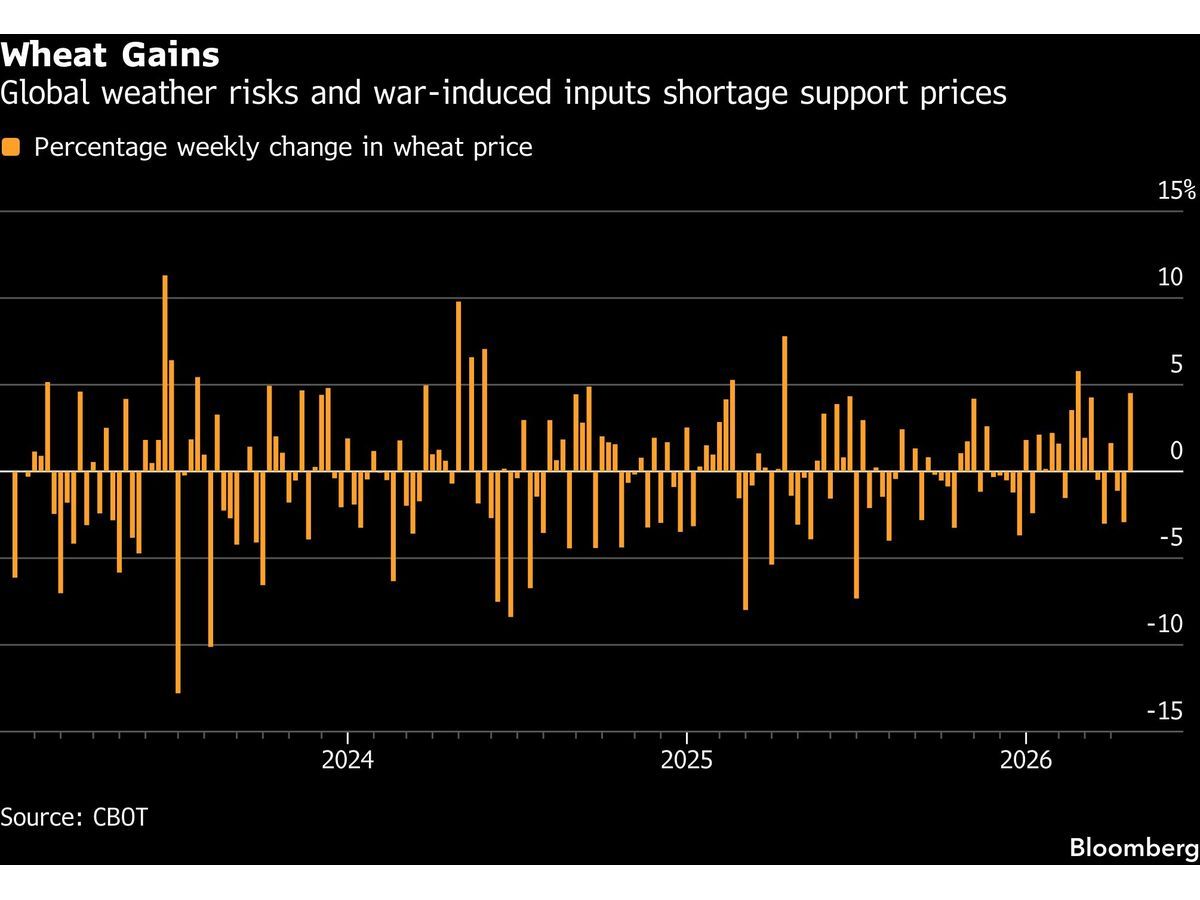
Fertilizer supply constraints and dry weather drive wheat to its largest weekly gain in two months. Watch for further volatility as shipping risks persist.
Continue with
Wheat futures are on track for their largest weekly gain in nearly two months, climbing as a mix of adverse weather and intensifying supply-side bottlenecks for fertilizer weigh on the market. The rally reflects a growing consensus among traders that global grain inventories remain susceptible to localized shocks that quickly translate into price volatility.
Supply Chain Friction and Fertilizer Volatility
Fertilizer availability has become a primary driver of price action, with market participants increasingly anxious about trade disruptions linked to the ongoing conflicts involving Iran. Fertilizer is a core input for wheat production, and any meaningful constriction in supply or spike in costs historically forces a reduction in acreage or lower yield expectations. Traders are currently pricing in the possibility that shipping lanes and regional instability will complicate the logistics of moving essential agricultural inputs through key maritime corridors.
This concern is further amplified by the potential for energy-related input costs to climb, given the broader instability in the Middle East. While the crude oil profile shows the energy market remains a primary bellwether for shipping and production costs, the agricultural sector is now directly absorbing the secondary effects of these geopolitical tensions. When input costs rise rapidly, the margin squeeze often forces smaller producers to scale back on nitrogen-based fertilizers, directly impacting the quality and volume of the harvest.
Weather Patterns and Global Yields
Persistent weather issues across major growing regions have added a layer of supply uncertainty that technical traders are now factoring into their models. Dry conditions in key exporting zones have curtailed optimistic yield projections, creating a floor for wheat prices that did not exist earlier this quarter. The market is sensitive to any deviation from historical precipitation averages, especially as we head into critical windows for crop development.